New York Immigration Laws: What Immigrants Should Know in 2026
Immigration law can feel confusing because the rules don’t come from one place. Federal immigration law controls things like visas, green cards, asylum, citizenship, deportation, and work authorization, while New York and New York City have their own laws and programs that protect immigrant residents and provide access to services.
In 2026, this is especially important because immigration policies and enforcement priorities have been changing. Some protections and programs have also been affected by recent federal court decisions. For anyone living in New York, the safest approach is to understand your current status, keep your documents organized, and get advice from a qualified immigration professional before making an important immigration decision.
Immigration Law Is Mostly Federal
One of the first things to understand is that immigration status is primarily governed by federal law.
The U.S. government determines who can enter the country, who can receive a visa or green card, who can apply for citizenship, and who may be placed into removal proceedings.
New York cannot simply grant someone a federal immigration status.
However, New York and New York City can provide important services and protections to immigrants regardless of their immigration status.
New York City’s Mayor’s Office of Immigrant Affairs, for example, provides access to free and confidential immigration legal assistance for eligible New York City residents.
Green Card Holders Should Understand Their Rights
Permanent residents, commonly called green card holders, generally have the right to live and work permanently in the United States as long as they maintain their status and comply with applicable immigration laws.
But having a green card doesn’t mean immigration issues can never arise.
Certain criminal convictions, extended trips outside the United States, fraud or misrepresentation, and other circumstances can create immigration problems.
If you’re a permanent resident and you’re planning to spend a long period outside the country, applying for citizenship, or dealing with a criminal case, speaking with an immigration attorney before taking action can be worthwhile.
Citizenship Is an Important Step
Many permanent residents eventually consider becoming U.S. citizens.
Naturalization has specific eligibility requirements, including requirements concerning residence, physical presence, good moral character, English and civics knowledge, and other factors.
The application process can also bring up questions about previous travel, arrests, taxes, immigration history, and other issues.
If something in your immigration history is complicated, don’t guess your way through the application. A qualified immigration attorney or accredited representative can review your situation before you submit it.
Asylum Seekers Need to Pay Attention to Deadlines
People seeking asylum in the United States need to understand the deadlines and procedures that apply to their cases.
Asylum cases can involve complicated factual and legal questions, including past persecution, fear of future persecution, filing deadlines, immigration court proceedings, and supporting evidence.
New York City provides immigration court resources and legal referrals for immigrant New Yorkers. The city’s Immigration Legal Support Centers offer screenings and assistance for eligible residents.
If you’re already in immigration court, don’t ignore a hearing notice.
Missing a court date can have serious consequences.
Temporary Protected Status Can Change
Temporary Protected Status, or TPS, is another area immigrants should watch closely in 2026.
TPS is available to eligible nationals of certain countries when the federal government designates those countries for protection because of conditions such as armed conflict, environmental disasters, or other extraordinary circumstances.
The status is temporary and country-specific.
Recent federal developments have affected TPS holders from Haiti and Syria. In July 2026, the New York Attorney General warned Haitian and Syrian TPS holders about scams and encouraged them to obtain advice from trusted immigration professionals because the legal situation was changing.
That is a good reminder that immigrants should not rely on advice intended for people from another country or another immigration category.
DACA Remains Complicated
DACA, or Deferred Action for Childhood Arrivals, continues to have restrictions that applicants and recipients should understand.
New York City’s immigration guidance states that DACA renewal applications have been taking longer than usual. It also notes that following a 2025 court ruling, first-time DACA applications may be submitted but are not currently being processed.
If you have DACA, don’t assume that information from an older article or social media post still describes your situation.
Your eligibility and options can depend on your individual history.
Know Your Rights If ICE Approaches You
Immigrants should understand their basic rights when interacting with federal immigration enforcement.
New York City’s Mayor’s Office of Immigrant Affairs provides Know Your Rights materials explaining what immigrants can do if ICE agents approach them and what family members can do if someone is detained. The materials are available in multiple languages, including Spanish, Chinese, Arabic, Bangla, Punjabi, and others.
Knowing your rights before an emergency happens is much easier than trying to figure everything out while you’re frightened or under pressure.
Families can also make plans for what should happen if a parent or other family member is detained.
Immigrants Have Workplace Rights
Immigration status does not mean an employer can ignore workplace laws.
Immigrant workers may have rights concerning wages, workplace discrimination, safety, and other employment protections.
New York’s Attorney General provides resources covering immigrant workers’ rights and immigration-related workplace issues.
If an employer threatens an employee with immigration consequences because they complained about unpaid wages or another workplace violation, the situation may deserve legal attention.
Housing Rights Also Matter
Immigrants can encounter housing problems that have nothing to do with their immigration case.
New York provides protections relating to housing discrimination, landlord-tenant issues, and other housing rights.
The New York Attorney General specifically provides resources covering immigrant tenants’ rights and housing discrimination.
If a landlord refuses to rent to someone because of national origin or another protected characteristic, for example, the tenant may have legal options.
Be Careful With Immigration Scams
Unfortunately, immigration problems create opportunities for scammers.
Someone might promise a green card, work permit, citizenship, or release from detention for a large payment.
Be especially careful with anyone who guarantees a specific immigration result.
New York’s Attorney General warns immigrants not to rely on people who call themselves “notarios.” A notary public in the United States is not automatically authorized to provide immigration legal advice. The Attorney General also warns against signing blank forms and responding to suspicious payment requests.
Only use a qualified immigration attorney or an authorized DOJ-accredited representative for immigration legal advice.
The Public Charge Rules Are Changing
Public charge is another issue immigrants should watch in 2026.
As of August 18, 2026, New York City’s MOIA reported that the federal government had published additional information concerning proposed changes to how certain public benefits could affect immigration cases.
However, MOIA states that the proposed changes were not yet in effect at that time and that the earliest possible effective date was September 18, 2026, subject to possible court action.
This is a good example of why immigrants should be careful about acting on headlines.
If you’re worried that receiving a particular benefit could affect your immigration case, talk with a trusted immigration legal provider before making a decision.
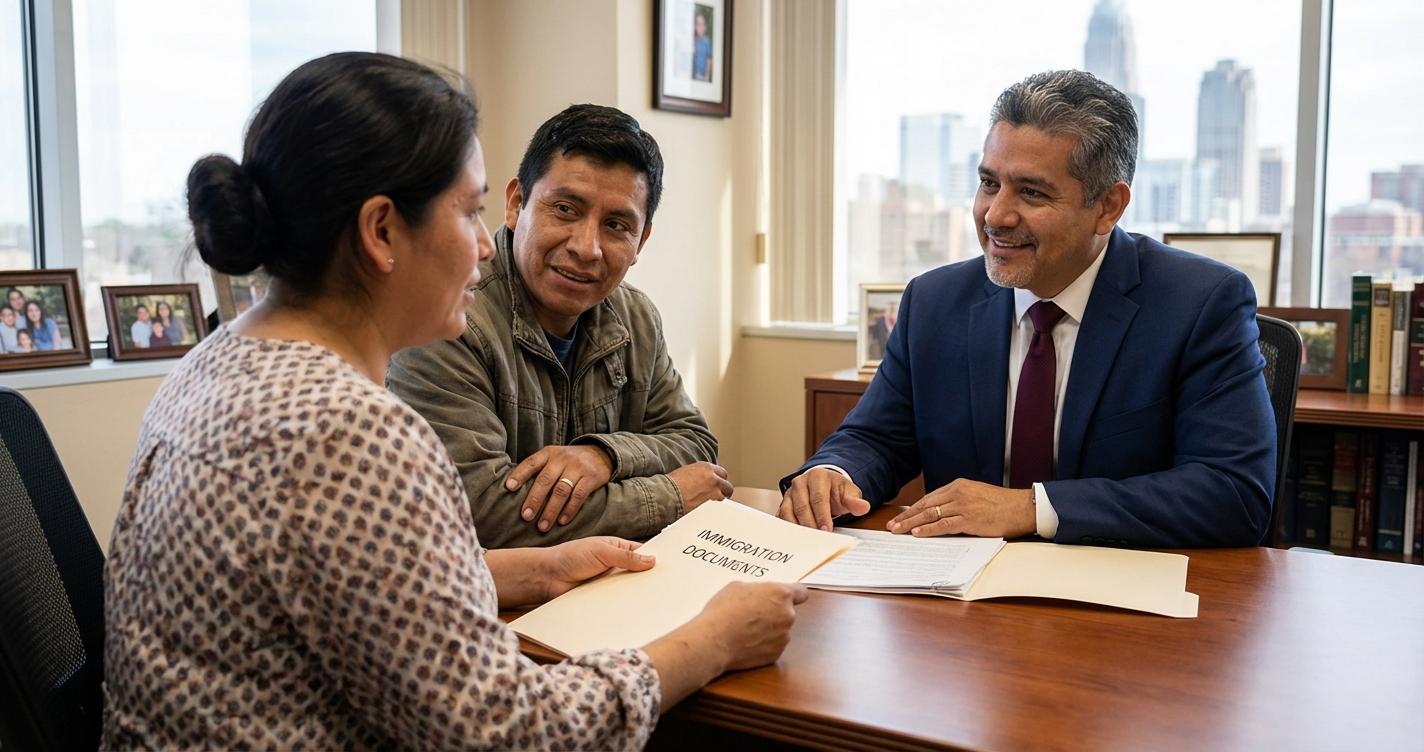
Keep Your Immigration Documents Organized
This sounds simple, but it can save a lot of stress.
Keep copies of important documents such as:
- Passport
- Green card
- Employment authorization card
- Immigration notices
- Visa documents
- Birth certificate
- Marriage certificate
- Immigration applications
- Court documents
- Previous approval notices
- Tax records
- Important attorney correspondence
Keep both physical and secure digital copies where possible.
If you’re ever asked for a document unexpectedly, you won’t have to start searching through boxes or old emails.
Don’t Ignore Immigration Court Notices
If you receive a notice from immigration court, take it seriously.
Court documents can contain important dates and instructions.
New York City’s MOIA provides an Immigration Court 101 guide covering court dates, immigration court procedures, legal representation, and other basic information.
If you’re unsure what a document means, get legal advice instead of assuming it is just another government letter.
Where Can New Yorkers Get Immigration Help?
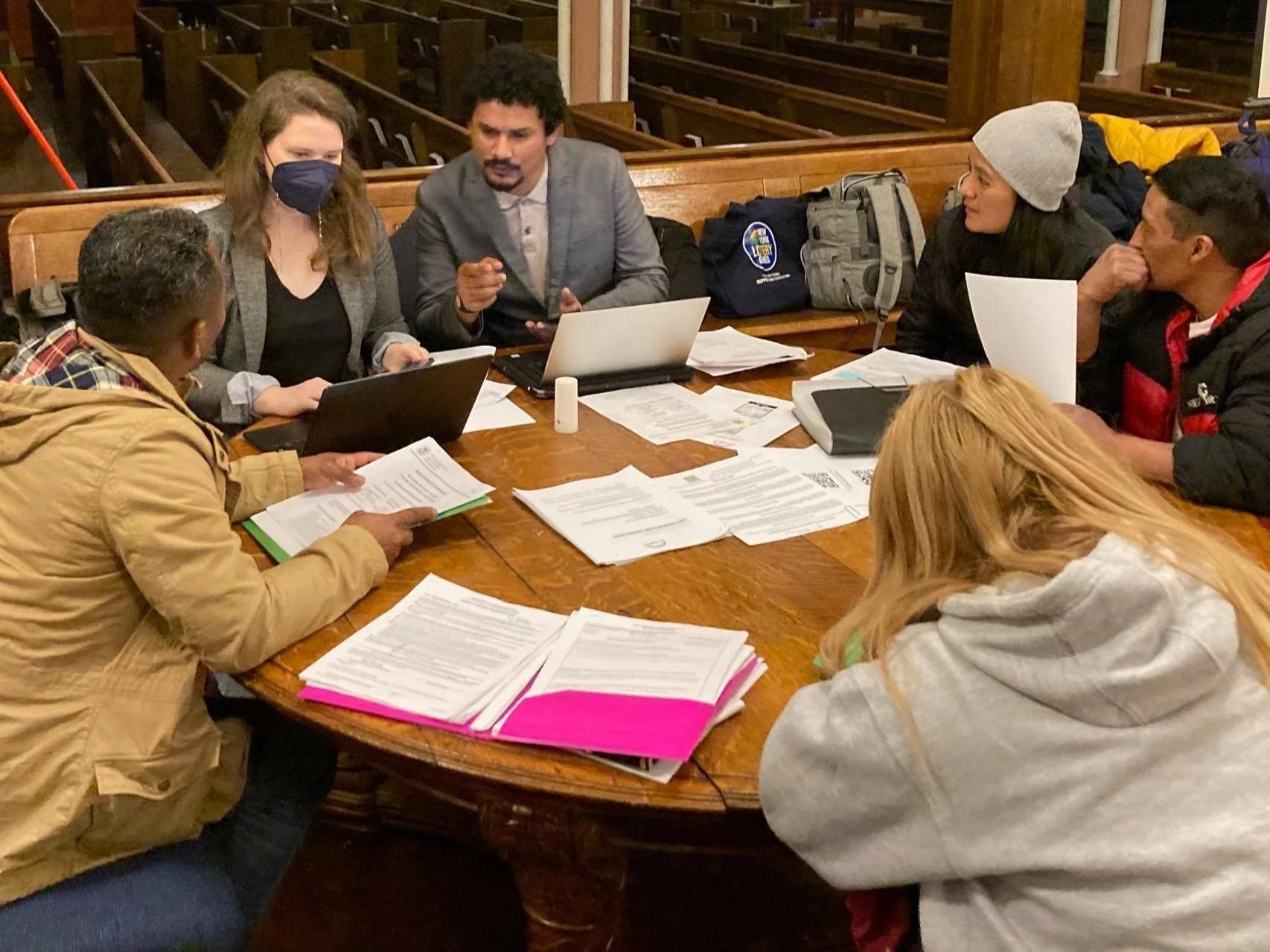
New York City currently has MOIA Immigration Legal Support Centers that provide free immigration legal screenings and, for eligible NYC residents, legal help involving matters such as citizenship, green cards, DACA, and TPS. Services are available in multiple languages.
The city also operates an Immigration Legal Support Hotline at 800-354-0365. New Yorkers can also call 311 and say “Immigration Legal” to get information about city-funded immigration legal assistance.
New York City’s services are available regardless of immigration status, although eligibility for particular legal programs can depend on factors such as residence and income.
What Should Immigrants Do in 2026?
The best thing you can do is stay informed without relying on random social media posts.
Immigration rules can change quickly, and a rule affecting one immigration category may not affect another.
If your case involves deportation, detention, TPS, DACA, asylum, citizenship, a green card, or another complicated issue, speak with a qualified immigration attorney or DOJ-accredited representative.
Also be cautious about anyone who says they can “guarantee” your immigration status.
Frequently Asked Questions
1. Does New York control immigration status?
No. Immigration status is primarily governed by federal law. New York and New York City can, however, provide services and protections for immigrant residents.
2. Can undocumented immigrants get legal help in New York?
Yes. New York City provides free and confidential immigration legal resources, and eligibility for particular programs depends on the person’s circumstances.
3. What should I do if ICE approaches me?
Learn your rights before an encounter happens and avoid signing documents you do not understand. NYC’s MOIA provides multilingual Know Your Rights resources covering encounters with ICE and situations involving detention.
4. Can an immigration consultant guarantee a green card?
No legitimate provider should guarantee a particular immigration outcome. New York’s Attorney General specifically warns immigrants about scams involving guaranteed immigration results and unqualified service providers.
5. Are immigration laws changing in 2026?
Yes, immigration policy continues to change at the federal level, and court decisions and proposed rules can affect particular groups. For example, MOIA reported proposed public-charge changes in August 2026 that were not yet in effect at that time.
Final Thoughts
New York offers many resources for immigrants, but immigration law itself is largely federal and can change quickly. Your rights and options depend heavily on your individual circumstances and immigration history.
Don’t ignore government notices, don’t sign documents you don’t understand, and don’t hand over money to someone simply because they promise a quick immigration result.
If you need help, use a qualified immigration attorney or DOJ-accredited representative. New York City also provides free legal resources for eligible residents through its Immigration Legal Support Centers and hotline.