Buffalo Personal Injury Laws: What Accident Victims Should Know
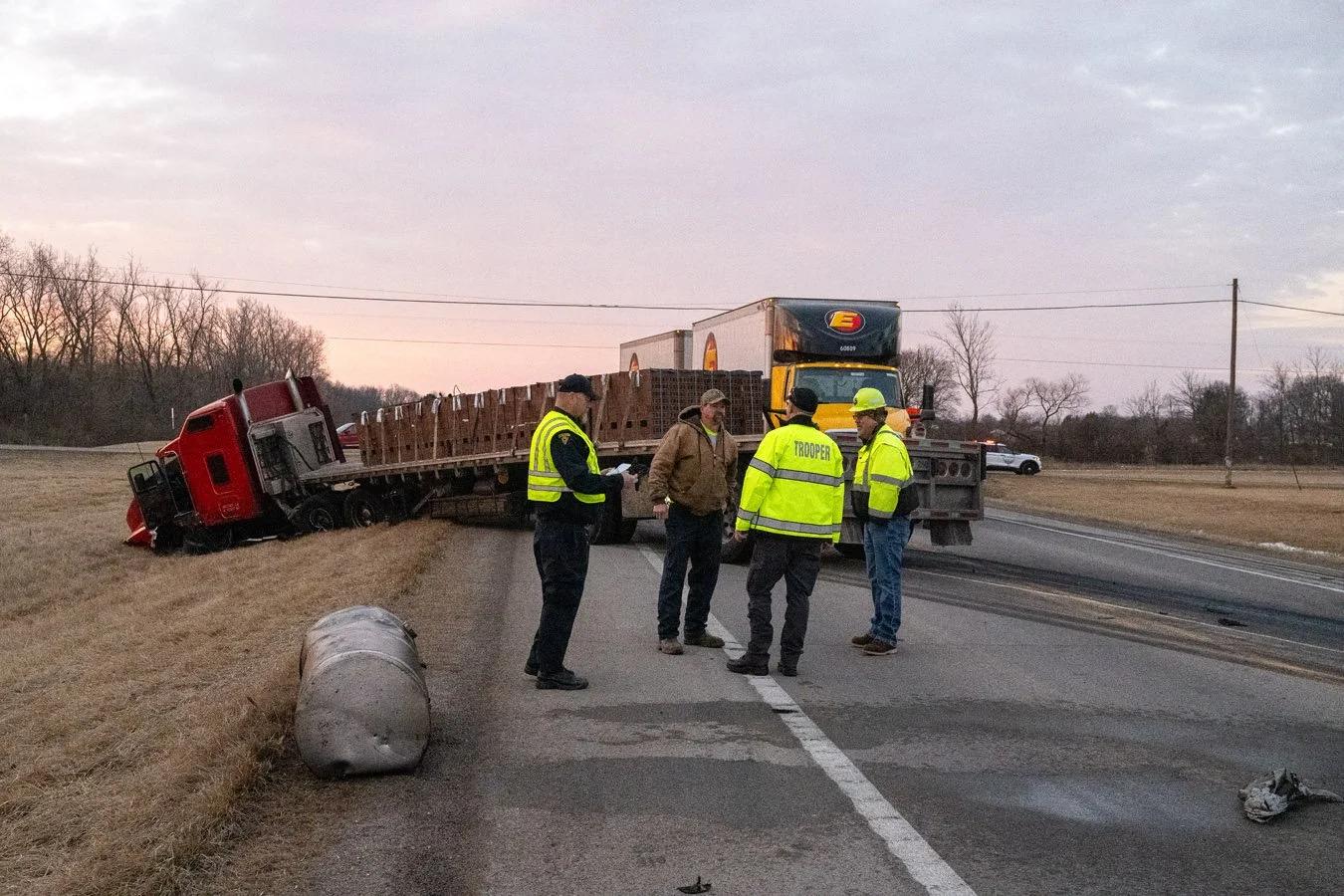
An accident can turn an ordinary day in Buffalo into a mess of doctor visits, insurance calls, missed work, and questions you did not expect to be asking. Who was responsible? Will insurance pay for everything? What happens if the other person says the accident was your fault? And perhaps the biggest question: Do you have a personal injury case?
Buffalo personal injury laws are largely governed by New York State law, but the details of your particular accident can make a big difference. Whether you were injured in a car crash, slip and fall, workplace accident, or another incident, understanding the basic rules can help you avoid mistakes early on.
New York Gives You a Limited Amount of Time to File
One of the easiest things to overlook after an accident is the deadline for taking legal action.
For many personal injury claims based on negligence in New York, the general statute of limitations is three years from the date of the injury. New York Courts specifically lists three years for ordinary negligence claims, including many personal injury and slip-and-fall cases.
That does not mean waiting three years is a good idea.
Evidence can disappear. Security footage may be overwritten. Witnesses can become difficult to locate. Memories change. Medical records can also become more complicated as time passes.
There can also be much shorter deadlines when a government agency is involved. New York Courts explains that a Notice of Claim generally must be given within 90 days when suing certain municipalities or public entities.
So if your Buffalo accident involved a city, county, school district, public transportation system, or another government-related entity, it is worth getting legal advice quickly.
Your Own Fault Does Not Automatically End Your Case
A common reaction after an accident is, “I was partly responsible, so I guess I cannot recover anything.”
That is not necessarily how New York works.
New York’s comparative negligence law generally allows damages to be reduced according to the claimant’s share of fault rather than automatically eliminating the claim. The current version of CPLR 1411 provides that a claimant’s culpable conduct generally reduces the damages in proportion to that conduct.
For example, imagine someone is found 20% responsible for an accident and has $100,000 in damages. The amount recoverable could potentially be reduced based on that percentage of fault.
But there are important exceptions and special rules, particularly in motor-vehicle cases. New York’s 2026 amendments changed aspects of comparative fault for certain automobile personal-injury actions, so an accident victim should not assume that an old explanation of “comparative negligence” applies to their situation.
Car Accident Victims Need to Understand No-Fault Insurance
If your injury happened in a motor vehicle accident, New York’s No-Fault system becomes important.
No-Fault coverage is designed to provide certain benefits for medical expenses and other basic economic losses after a covered motor vehicle accident, regardless of who caused the crash. New York’s Department of Financial Services explains that No-Fault generally provides primary coverage for qualifying accident-related economic losses.
That does not necessarily mean the insurance company will simply pay every bill you receive.
There are procedures, documentation requirements, coverage limits, and disputes that can arise. And a No-Fault claim is different from a lawsuit seeking compensation from the person or entity responsible for causing the accident.
Serious Injury Can Matter in a Car Accident Lawsuit
New York’s No-Fault system also places restrictions on lawsuits for pain and suffering and other non-economic losses in many automobile accident cases.
Under Insurance Law § 5104, a covered person generally cannot recover non-economic loss from another covered person unless the injured person has sustained a qualifying “serious injury.”
This area of law changed in 2026. The New York Department of Financial Services states that amendments affecting the definition of serious injury and the handling of non-economic damages took effect May 26, 2026, for actions and proceedings commenced on or after that date.
That is important because online articles written before the 2026 changes may not accurately describe the rules that apply today.
Medical Records Can Become Very Important
After an accident, getting appropriate medical attention should come before worrying about building a lawsuit.
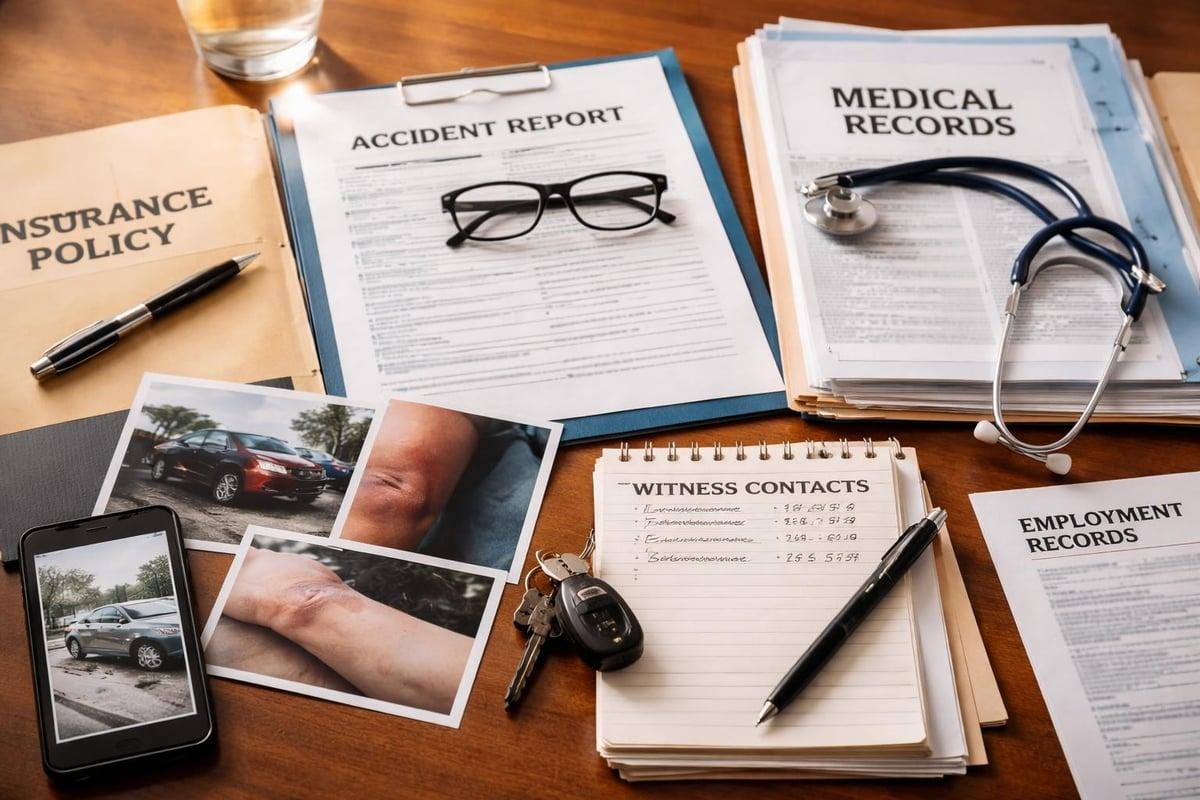
If you are injured, tell your medical provider what happened and follow the recommended treatment. Keep copies of medical records, bills, prescriptions, diagnostic reports, and information about appointments.
This is especially important when an injury seems minor at first but becomes more noticeable later. A stiff neck after a crash might not feel dramatic on day one. A week later, you may be dealing with significant pain and difficulty sleeping or working.
Your medical documentation can help establish what injuries occurred, what treatment you received, and how the accident affected you.
What Compensation Could Be Available?
The damages available depend heavily on the type of accident and the facts of the case.
Depending on the circumstances, a personal injury claim may involve losses such as:
- Medical and rehabilitation expenses
- Lost income
- Reduced future earning ability
- Property damage in appropriate cases
- Pain and suffering
- Other economic or non-economic losses allowed by law
There is no automatic dollar amount attached to a particular injury. Two people can experience seemingly similar accidents and have very different legal claims because their medical conditions, employment situations, treatment, insurance coverage, and other facts are different.
Be Careful When Talking to Insurance Companies
After an accident, you may receive calls from an insurance adjuster asking what happened.
That does not necessarily mean the insurer is doing anything improper. But you should understand that an insurance company’s interests are not necessarily the same as yours.
Do not guess about facts you do not remember. Do not minimize an injury simply because you are trying to be polite. And do not assume that an early settlement offer represents the full value of your claim.
Once you sign a settlement agreement, you may be giving up the ability to pursue additional compensation later.
What Should You Do After an Accident in Buffalo?
The first few steps can make a difference.
Get medical attention when appropriate, report the accident to the proper authority or property owner, take photographs if you safely can, preserve relevant documents, and keep track of expenses connected to the injury.
If there were witnesses, save their contact information. If you have photographs or videos from the scene, keep the original files rather than relying only on edited or compressed copies.
Most importantly, do not assume that the insurance company’s first position is the final answer.
When Should You Talk to a Buffalo Personal Injury Lawyer?
You do not necessarily need to file a lawsuit simply because you speak with an attorney.
A consultation can help you understand whether someone else may be legally responsible, what deadlines apply, whether No-Fault rules affect your claim, what evidence may matter, and whether an insurance settlement should be considered.
It can be especially useful to speak with an attorney sooner rather than later if you suffered a serious injury, expect significant medical treatment, cannot work, believe another party was clearly responsible, or are dealing with a government entity.
4 FAQs About Buffalo Personal Injury Laws
1. How long do I have to file a personal injury lawsuit in Buffalo?
For many ordinary negligence-based personal injury claims, New York generally provides three years from the date of injury. However, different claims and defendants can have different deadlines, so you should not rely on the general three-year period without checking your specific situation.
2. Can I still recover money if I was partly at fault?
Potentially, yes. New York’s comparative fault rules generally reduce damages according to the claimant’s share of culpable conduct. However, automobile accident claims are subject to additional rules, including changes that took effect in 2026.
3. Do I need a lawyer after a Buffalo car accident?
Not every accident requires an attorney. However, legal advice can be particularly valuable when injuries are significant, fault is disputed, an insurance company is challenging your claim, or you may have a claim for damages beyond No-Fault benefits.
4. What should I do immediately after an accident?
Seek appropriate medical care, document the accident when it is safe to do so, preserve records and evidence, notify the appropriate insurance company, and avoid making guesses or unnecessary statements about fault. If the accident caused significant injuries, consider speaking with a personal injury attorney promptly.
Final Thoughts
A personal injury case is about more than what happened in the few seconds when an accident occurred. What happened afterward can matter too—your medical treatment, time away from work, insurance coverage, evidence, and the steps you take to protect your claim.
If you were injured in Buffalo, do not assume that a quick insurance payment is necessarily the same thing as fair compensation. New York’s personal injury and insurance rules can be complicated, and the rules applying to automobile accidents changed in 2026. Getting advice based on the actual facts of your accident can help you understand what options are available.