Buffalo Car Accident Laws and Injury Claims
A car accident in Buffalo can leave you dealing with much more than a damaged bumper. There may be doctor visits, missed work, insurance calls, repair bills, and the frustrating question of who is actually responsible. Understanding Buffalo Car Accident Laws and Injury Claims can help you make sense of what comes next instead of making decisions while you are still trying to recover.
New York has some rules that surprise accident victims. For example, New York’s no-fault system can cover certain medical expenses and lost earnings regardless of who caused the crash. But bringing a separate personal injury lawsuit generally involves additional requirements.
New York Is a No-Fault State
One of the first things Buffalo drivers should understand is New York’s no-fault automobile insurance system.
After an accident, your own no-fault coverage may pay eligible medical expenses and certain lost earnings, regardless of who caused the collision. That does not necessarily mean you cannot pursue the other driver’s insurance for additional damages.
This distinction matters because people sometimes assume that filing a no-fault claim means they have accepted the accident as their fault or given up their right to pursue a personal injury claim. Those are separate issues.
When Can You Sue the Other Driver?
This is where New York’s serious-injury requirement becomes important.
In general, a person injured in a New York car accident cannot simply bring a lawsuit for every minor injury. New York Insurance Law § 5102(d) defines categories of “serious injury” that can allow a person to pursue a claim for non-economic damages such as pain and suffering.
Those categories can include certain fractures, significant disfigurement, permanent limitations, significant limitations of use of a body function or system, and other circumstances specified by the statute.
Recent New York appellate decisions continue to show how important medical evidence and the specific nature of an injury can be when courts evaluate whether the serious-injury threshold has been met.
So if someone tells you, “You were hurt, therefore you automatically have a lawsuit,” be careful. The details of the injury matter.
Fault Still Matters
No-fault insurance does not mean nobody is responsible for causing an accident.
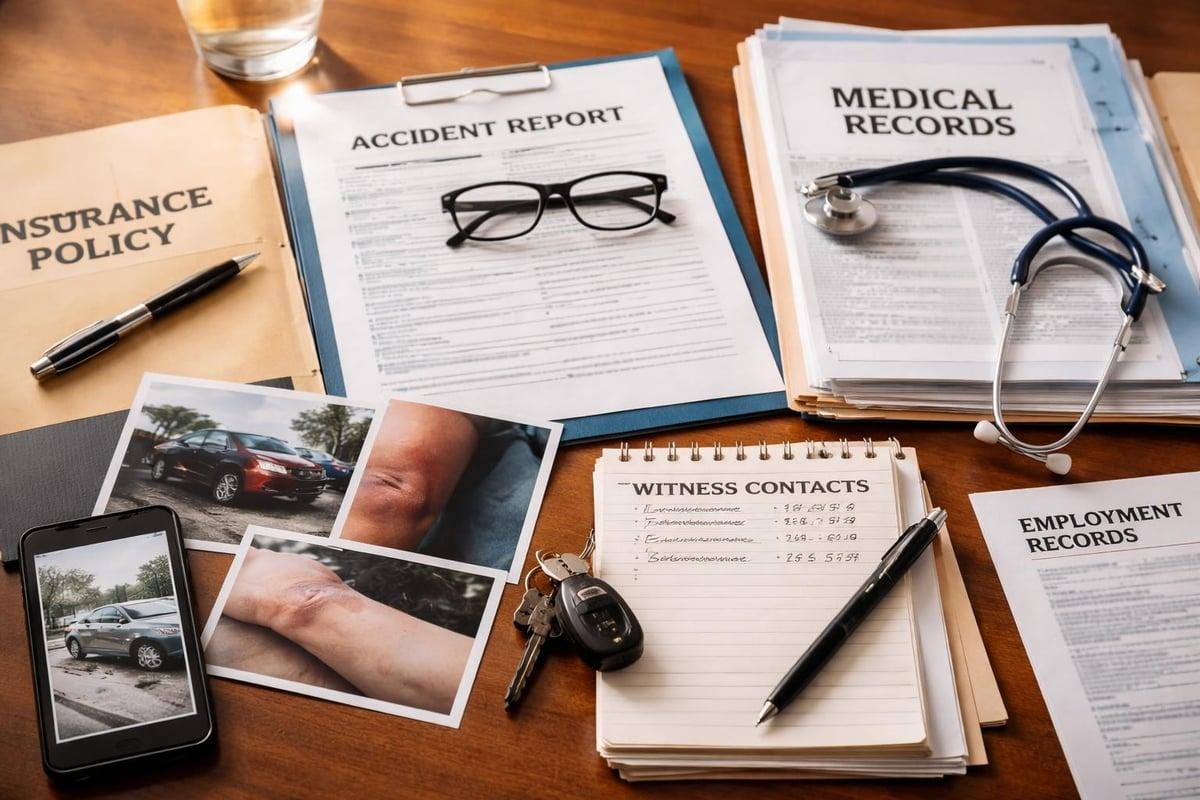
If your injuries meet the legal requirements for a personal injury claim, evidence about how the collision happened can become very important. That might include the police report, photographs, traffic-camera footage, witness statements, vehicle damage, medical records, and testimony from the drivers involved.
New York also recognizes comparative fault. If more than one person contributed to an accident, the amount ultimately recovered can be affected by the injured person’s share of responsibility.
For example, imagine a driver is found mostly responsible for a crash, but the injured person is also found partially responsible for what happened. That does not necessarily mean the injured person receives nothing. The percentage of fault can affect the damages awarded.
Recent appellate litigation continues to address comparative negligence in automobile collision cases.
Reporting the Accident Matters
After a serious Buffalo crash, documentation becomes important very quickly.
New York DMV guidance says a crash involving a fatality, personal injury, or property damage of $1,000 or more to any one person must be reported to DMV, and the required report generally must be filed within 10 days.
You should also notify your insurance company as required by your policy.
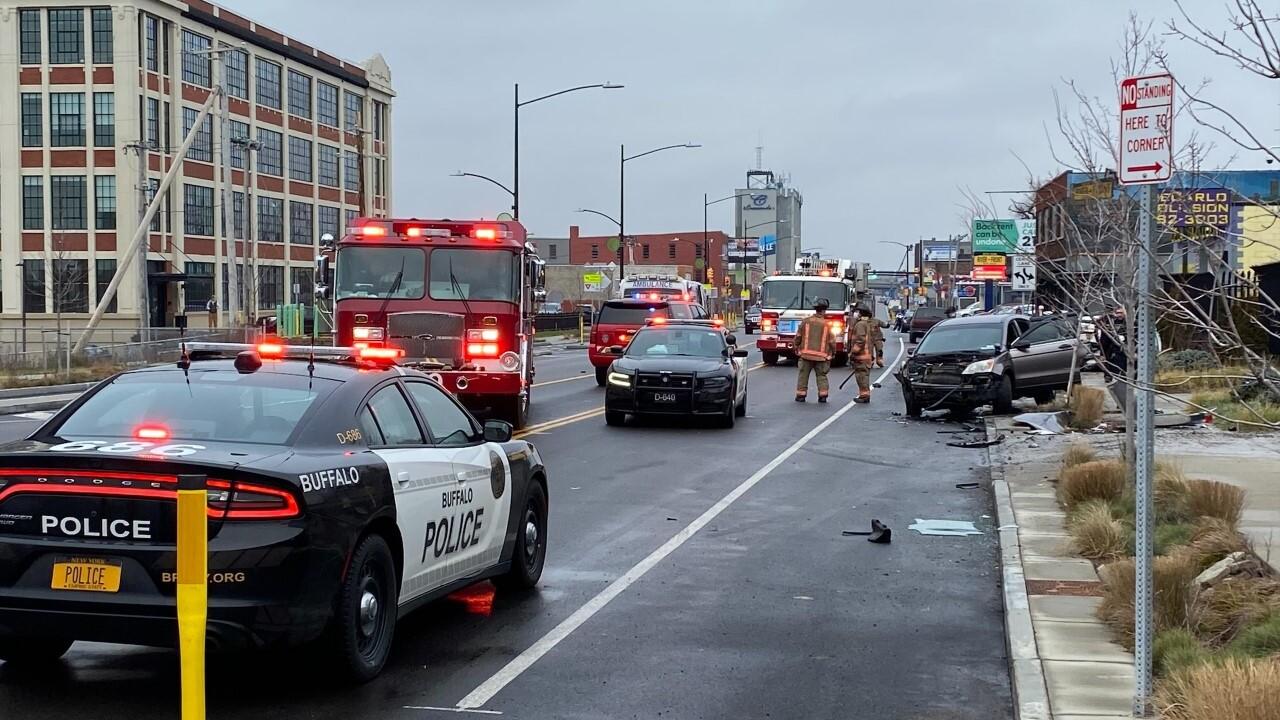
If police respond to the scene, obtain information about the accident report. Take photographs if you are physically able to do so, including the vehicles, roadway, traffic signs, visible injuries, and surrounding conditions.
And don’t assume that an injury is insignificant just because you feel okay immediately after the collision. Some symptoms become noticeable later.
Medical Records Can Become Very Important
This is one of those situations where keeping track of seemingly small things can make a difference.
If your neck starts hurting two days after the crash, for example, tell your medical provider. Follow the treatment plan you are given and keep records of appointments, prescriptions, bills, and missed work.
Medical documentation can help establish the connection between the accident and the injury. Recent New York cases involving no-fault and serious-injury claims demonstrate how questions about medical proof and causation can become central to litigation.
That doesn’t mean every medical issue automatically becomes part of a successful claim. The evidence still has to support the injury and its relationship to the accident.
How Long Do You Have to File a Car Accident Lawsuit in New York?
For many ordinary car accident personal injury claims, New York’s statute of limitations is three years from the date of the accident. New York Courts lists car accidents under CPLR 214(4) with a three-year period.
But there are important exceptions.
Claims involving a government vehicle or government entity can involve different rules and much shorter notice requirements. Other circumstances can also change the applicable deadline.
That is why waiting until the end of the three-year period is not a good strategy. Evidence can disappear, witnesses can become difficult to locate, and insurance issues may become harder to sort out.
What About Property Damage?
Injury claims and vehicle-damage claims are related but not necessarily identical.
New York requires registered vehicles to carry liability insurance, with statutory minimum liability limits established by state law.
After a Buffalo collision, you may be dealing with questions about repairing or replacing your vehicle, rental transportation, towing and storage charges, and who is responsible for those costs.
Keep photographs, estimates, invoices, receipts, and correspondence with insurers. A folder on your phone or computer can be surprisingly helpful when several companies and bills are involved.
When Should You Talk to a Buffalo Car Accident Lawyer?
Not every minor fender-bender requires a lawyer.
A consultation may become particularly useful when there are significant injuries, disagreements about who caused the accident, questions about insurance coverage, substantial lost wages, multiple vehicles, commercial vehicles, or a possible serious-injury claim.
A lawyer can review the circumstances and explain what claims may be available rather than simply assuming that every accident follows the same path.
For Buffalo residents looking for local legal help, there are numerous personal injury practices in the area, including Cellino Law Injury Attorneys, Richmond Vona Injury Lawyers, and Andrews, Bernstein & Maranto, PLLC. Choosing an attorney should involve more than looking at a rating—consider relevant experience, communication, fee arrangements, and whether you are comfortable with the lawyer handling your particular situation.
4 FAQs About Buffalo Car Accident Injury Claims
1. Does New York no-fault insurance cover my medical bills after a Buffalo accident?
Potentially, yes. New York’s no-fault system is designed to provide certain benefits for medical expenses and lost earnings regardless of who caused the accident, subject to applicable rules and coverage limits.
2. Can I sue the other driver after a Buffalo car accident?
Possibly. A personal injury lawsuit generally requires the injury to meet New York’s serious-injury threshold or otherwise fall within an applicable exception. The facts of the accident and your medical condition matter.
3. How long do I have to file a car accident injury claim in New York?
Many ordinary car accident personal injury lawsuits have a three-year statute of limitations, but exceptions can apply. Government-related claims, for example, can involve different deadlines, so getting legal advice early can be important.
4. Should I speak with a lawyer if the insurance company already offered me a settlement?
If you have significant injuries or are unsure whether the offer accounts for your medical treatment, lost income, future problems, and other damages, consider having the offer reviewed before accepting it. Once a settlement is finalized, your ability to seek additional compensation may be limited.
Final Thoughts
A Buffalo car accident can turn an ordinary drive into weeks or months of paperwork and uncertainty. The important thing is not to assume that the insurance company’s first explanation is the final answer.
Report the accident when required, get appropriate medical attention, keep your records, be careful about statements concerning fault, and pay attention to legal deadlines. If the injuries are serious or the insurance situation becomes complicated, a conversation with a qualified New York personal injury attorney can help you understand your options.