Buffalo Truck Accident Lawyers: When Should You Hire One?
A crash involving a tractor-trailer, delivery truck, or other commercial vehicle can leave you dealing with much more than a damaged car. You may be facing serious injuries, missed work, medical bills, and an insurance company that seems to want answers before you have even had time to understand what happened. That is why knowing when to contact Buffalo Truck Accident Lawyers can matter after a serious collision.
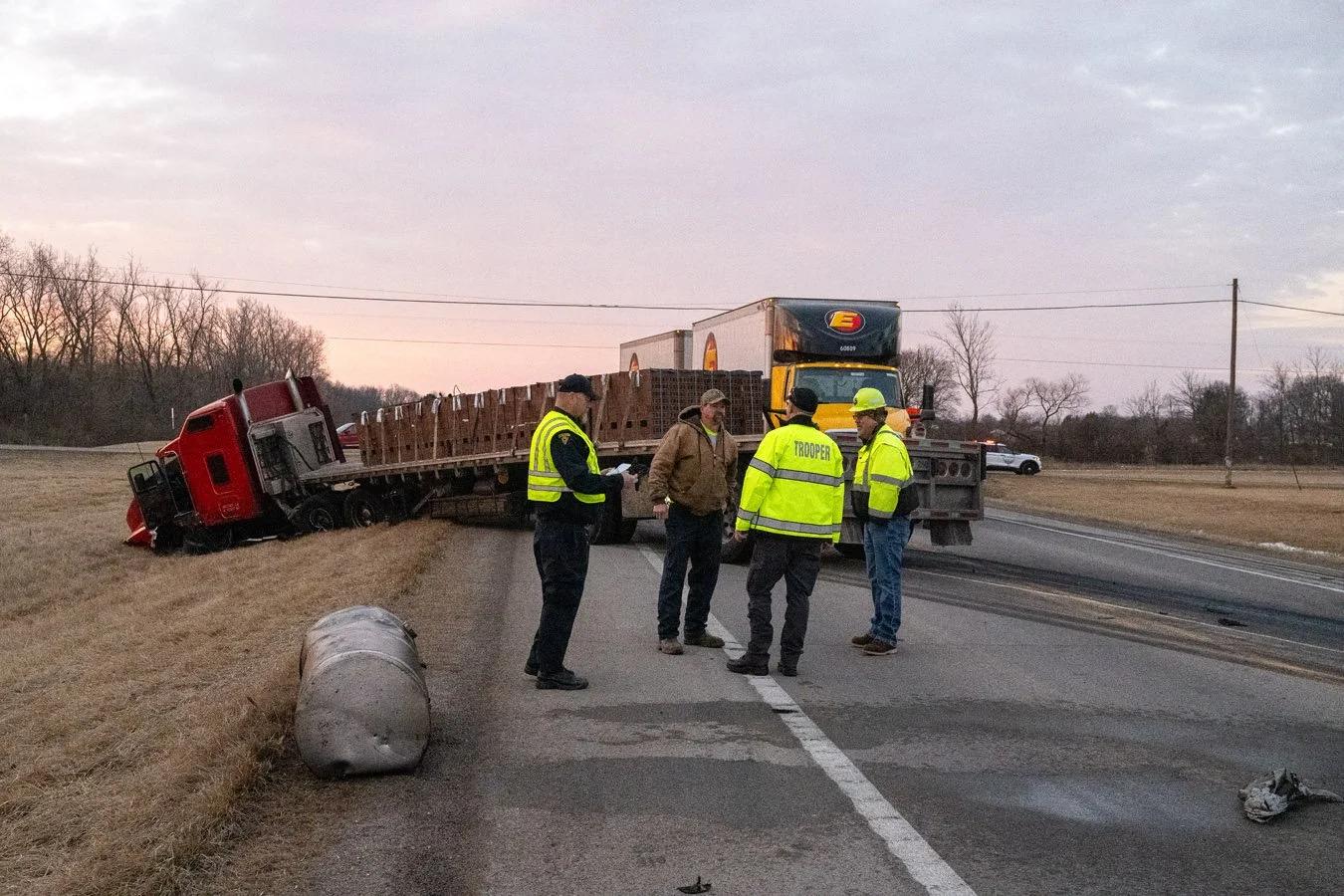
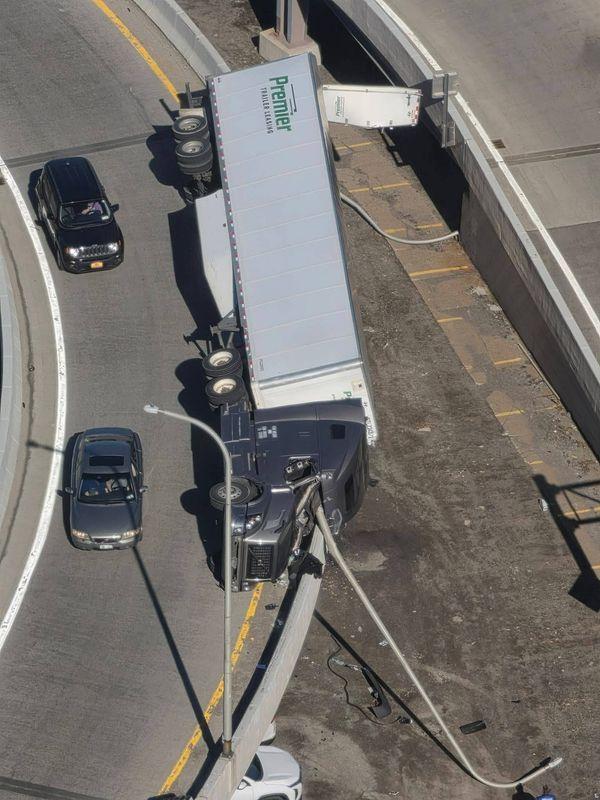
Truck accidents can become complicated very quickly. There may be questions about the driver’s conduct, the trucking company’s hiring and training practices, vehicle maintenance, cargo loading, driver fatigue, electronic records, and even whether federal trucking rules were followed.
When Is It Time to Call a Truck Accident Lawyer?
You do not necessarily need an attorney for every minor traffic accident. But a truck crash is worth discussing with a lawyer when the injuries are serious, fault is disputed, or the insurance company is already pushing for a statement or settlement.
You should strongly consider getting legal advice if you have:
- Broken bones or significant injuries
- A head, neck, or spinal injury
- Permanent or long-term limitations
- Surgery or extensive rehabilitation
- Significant time away from work
- A dispute over who caused the crash
- A commercial trucking company involved
- A fatality
- Multiple vehicles or potentially responsible parties
The earlier a lawyer becomes involved, the more opportunity there may be to preserve evidence. Truck cases can involve electronic logging information, inspection and maintenance records, dispatch communications, camera footage, and other records that can become important later.
Why Truck Accident Claims Can Be More Complicated
At first glance, a truck accident may seem straightforward: one vehicle hit another, so someone must be responsible.
It is rarely that simple.
For example, imagine a tractor-trailer rear-ends your vehicle on the I-190. The driver may have been distracted. But what if the driver’s employer pressured them to meet unrealistic delivery schedules? What if the truck had a maintenance problem? What if cargo was loaded incorrectly and shifted the truck’s balance?
Those questions can change who may ultimately be responsible.
Depending on the circumstances, a claim may involve the truck driver, trucking company, vehicle owner, maintenance company, cargo-related parties, or another responsible party. Federal regulations also cover areas such as driver qualifications, hours of service, texting, inspections, repairs, and maintenance.
That is one reason a truck accident investigation can require more work than simply comparing the drivers’ stories.
New York’s No-Fault Rules Still Matter
Buffalo is in New York, which uses a no-fault automobile insurance system. Your own no-fault coverage can generally provide benefits for medical expenses and certain lost earnings after an accident, regardless of who caused the crash.
But no-fault does not mean you can never pursue the person or company responsible for the collision.
New York generally requires an injured person to satisfy the state’s “serious injury” threshold before pursuing certain non-economic damages such as pain and suffering. Qualifying injuries can include fractures, significant disfigurement, permanent loss or limitation of use, significant limitation of a body function or system, and certain other serious conditions defined by statute.
This is where medical documentation becomes extremely important.
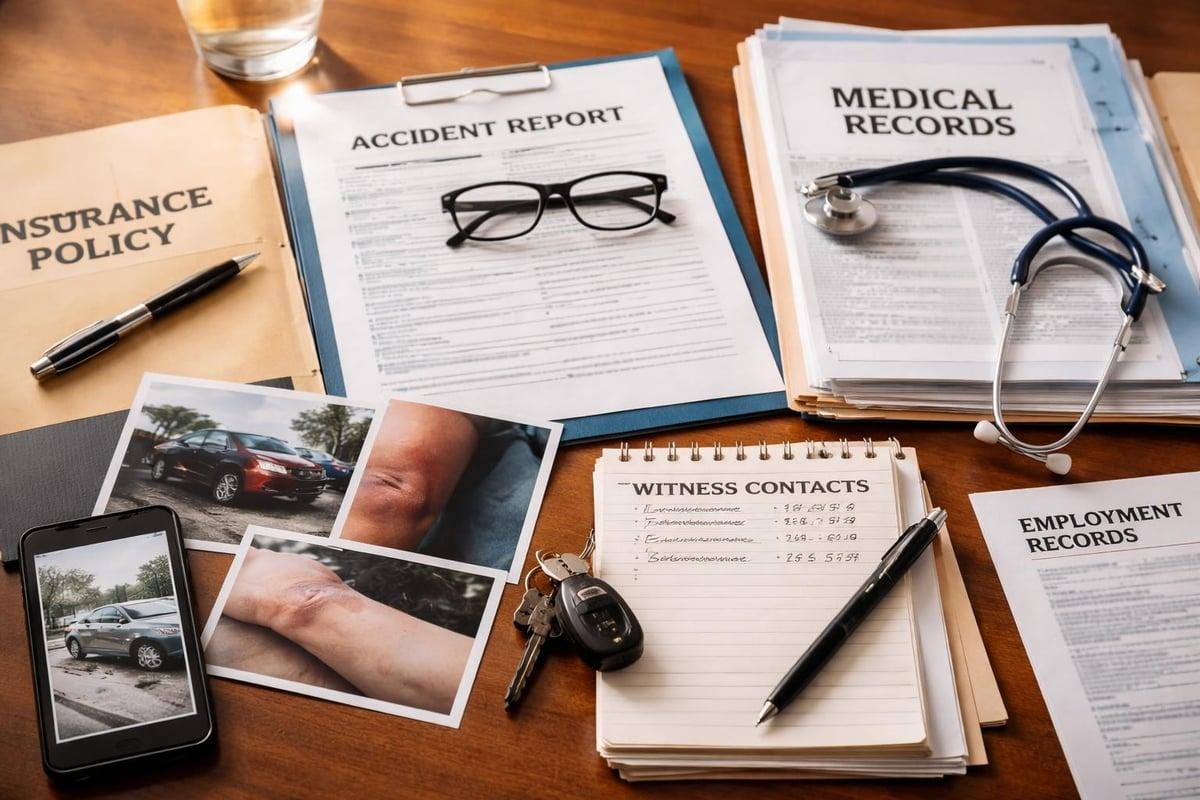
What Evidence Can a Truck Accident Lawyer Look For?
A strong truck accident claim is often built from pieces of information that an injured person would not normally know to request.
Depending on the circumstances, an attorney may investigate:
- Driver hours-of-service records
- Electronic logging device information
- Vehicle inspection records
- Maintenance and repair records
- Dashcam or surveillance footage
- Driver qualification information
- Cellphone or communication records when relevant
- Cargo loading information
- Accident scene photographs
- Police reports
- Witness statements
- Medical records
- Vehicle damage and accident reconstruction evidence
Federal trucking rules include specific requirements concerning driver hours, qualifications, prohibited conduct, inspections, repairs, and maintenance.
This evidence can become particularly important when the trucking company disputes responsibility.
What If You Were Partly Responsible?
Do not automatically assume that being partly at fault means you have no case.
New York follows a pure comparative negligence approach. Generally, a person’s recovery can be reduced according to their percentage of fault rather than being automatically eliminated simply because they contributed to the accident.
For example, if damages were determined to be $200,000 and you were found 20% responsible, the recoverable amount could be reduced based on that percentage.
The actual application depends on the facts and applicable law, so it is worth discussing the specific accident with an attorney rather than relying on a quick calculation.
What About the Trucking Company’s Insurance?
This is another reason not to rush into a settlement.
Commercial trucks can involve substantial insurance coverage, but having a large policy does not mean the insurer will automatically pay the full value of an injury claim. The insurer may investigate the crash from its own perspective and look for reasons to reduce liability or damages.
A lawyer can help determine what insurance policies may apply and identify the parties that may have legal responsibility.
And if an insurer asks you for a recorded statement shortly after the accident, you do not have to guess about what you should say. Getting legal advice first can help you understand your rights and obligations.
How Long Do You Have to File a Truck Accident Lawsuit in New York?
For many personal injury claims against private parties, New York’s general statute of limitations is three years from the date of the injury. However, exceptions can create different deadlines.
This becomes especially important when a government vehicle or government entity is involved. Certain claims can require a Notice of Claim within a much shorter period, sometimes 90 days.
There can also be separate deadlines for no-fault benefits.
So waiting until the three-year deadline is approaching is not a good strategy. Evidence may be much harder to locate by then, and some claims have shorter notice requirements.
What Should You Do After a Buffalo Truck Accident?
Your first concern should be your health.
Call 911 when appropriate, get medical attention, and follow your doctor’s recommendations. If it is safe to do so, photograph the vehicles, accident scene, road conditions, visible injuries, and identifying information from the truck.
Keep copies of medical bills, records, insurance correspondence, repair estimates, and other accident-related documents.
Be careful about discussing the accident on social media, and do not assume that an early settlement offer reflects the long-term cost of a serious injury.
Most importantly, if the accident involved significant injuries or a commercial truck, consider speaking with a truck accident attorney sooner rather than later. Early legal involvement can give your lawyer an opportunity to investigate while important evidence is still available.
4 FAQs About Buffalo Truck Accident Lawyers
1. Do I need a lawyer after a truck accident in Buffalo?
Not every truck accident requires a lawsuit or attorney. However, legal advice can be particularly valuable when you have serious injuries, disputed liability, significant financial losses, or a commercial trucking company and insurer involved.
2. How soon should I contact a truck accident lawyer?
It is generally better to contact one as soon as reasonably possible after a serious crash. Important evidence, including electronic records, vehicle information, photographs, and witness recollections, may become harder to obtain as time passes.
3. Can I still recover money if I was partly at fault?
Potentially, yes. New York generally follows pure comparative negligence, meaning damages may be reduced according to the injured person’s percentage of fault.
4. What can I potentially recover after a Buffalo truck accident?
Depending on the circumstances and applicable law, damages may include medical expenses, lost income, future economic losses, property damage, and compensation for qualifying pain and suffering. The value of a claim depends heavily on the injuries, evidence, liability, and long-term impact of the accident.
Final Thoughts
A truck accident can turn an ordinary day into months of appointments, paperwork, insurance calls, and uncertainty about what happens next. You do not have to decide immediately whether you are going to file a lawsuit. But if the crash caused serious injuries or the circumstances are complicated, an early conversation with an experienced truck accident lawyer can help you understand your options.
The important thing is not to assume that the first version of the accident is the whole story. Trucking records, vehicle evidence, medical documentation, and witness accounts may reveal details that are not obvious at the scene.