Buffalo Workers’ Compensation Laws: What Injured Workers Should Know
Getting hurt at work can turn an ordinary week into a stressful one pretty quickly. Maybe you slipped while carrying something, injured your back lifting equipment, or developed a condition after doing the same physical task for years. Suddenly, you are thinking about doctor visits, missed paychecks, and whether your employer is going to make things difficult. Understanding Buffalo Workers’ Compensation Laws can help you know what steps to take after a workplace injury.
Workers’ compensation in New York is designed to provide medical care and wage benefits when an employee is injured or becomes ill because of their job. In most situations, workers do not have to prove that their employer was negligent to receive workers’ compensation benefits.
What Does Workers’ Compensation Cover?
Workers’ compensation can cover more than just the emergency-room bill after an accident.
Depending on the circumstances of the claim, benefits can include medical treatment and payments for lost wages. The New York State Workers’ Compensation Board explains that necessary medical care for a work-related injury is covered, while wage benefits may be available when an injury prevents a worker from working or reduces their earnings.
That could mean treatment for a broken bone after a fall, physical therapy for a back injury, medication, or other necessary care connected to the workplace injury.
Report the Injury as Soon as Possible
One of the easiest mistakes an injured worker can make is waiting.
New York generally requires an employee to notify the employer in writing about a work-related injury within 30 days. The Workers’ Compensation Board recommends reporting the injury as soon as possible instead of waiting until symptoms become worse.
For example, imagine you hurt your shoulder while moving heavy equipment at a Buffalo warehouse. At first, you think it is just soreness and continue working. A week later, the pain becomes severe enough that you need medical treatment. Waiting to report what happened can create unnecessary questions about when and how the injury occurred.
Tell your supervisor or employer what happened and make sure there is a record of the report.
You Should Also File a Workers’ Compensation Claim
Reporting an injury to your employer and filing your own workers’ compensation claim are not necessarily the same thing.
An injured worker can file an Employee Claim, Form C-3, with the New York State Workers’ Compensation Board. The Board says the C-3 generally must be filed within two years of the accident, although filing as soon as possible is recommended.
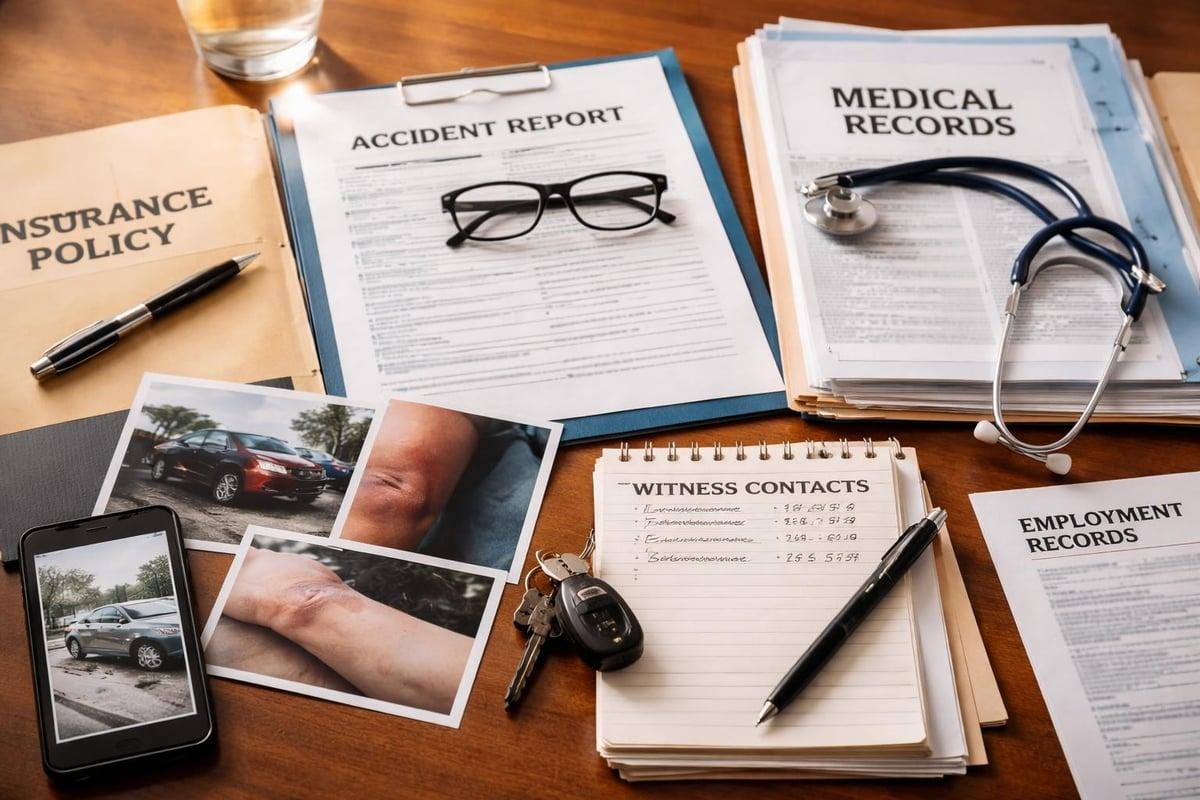
Keeping copies of your paperwork can be helpful. Save medical records, accident reports, correspondence, wage information, and anything else related to the injury.
What About Lost Wages?
Medical bills are only part of the problem when you cannot work.
New York workers’ compensation may provide a portion of lost wages when a work-related injury causes enough time away from work or reduces your ability to earn your previous wages. The benefit generally depends on your average weekly wage and the degree of disability established by medical evidence.
There are also waiting-period rules. For example, wage benefits generally are not paid for the first seven days of disability unless the disability lasts beyond 14 days.
For injuries occurring from July 1, 2026 through June 30, 2027, New York’s Workers’ Compensation Board lists a maximum weekly benefit of $1,281.50 and a minimum of $384.45, subject to the applicable rules and individual circumstances.
What If Your Employer Says the Injury Wasn’t Work-Related?
This is where a straightforward situation can become frustrating.
An employer or insurance carrier may dispute whether an injury happened because of work. If the claim is disputed, the Workers’ Compensation Board can become involved and a workers’ compensation law judge may ultimately decide the issue.
That is one reason documentation matters. Medical records, witness information, accident reports, photographs, work schedules, and your own written account of what happened may all become important.
Can You Return to Work While Still Injured?
Sometimes.
A worker may be able to return to light duty or modified work before completely recovering. The important thing is to understand what your doctor says about your restrictions and whether the available work fits those restrictions.
If you can work but earn less because of the injury, New York workers’ compensation may provide reduced-earnings benefits in qualifying situations.
Do not assume that returning to work automatically means your claim is over. Your circumstances matter.
When Should You Speak With a Workers’ Compensation Lawyer?
Not every workers’ compensation claim requires an attorney. But speaking with one may be worth considering if the insurance company denies your claim, your benefits stop unexpectedly, your employer disputes that the injury happened at work, or you are dealing with a serious or permanent injury.
A lawyer can also help you understand what benefits may be available and how the claims process works.
The New York Workers’ Compensation Board provides resources for finding legal representation and also offers support services for injured workers.
4 FAQs About Buffalo Workers’ Compensation
1. How long do I have to report a workplace injury in New York?
Generally, you should notify your employer in writing within 30 days. It is better to report the injury immediately rather than waiting.
2. Does workers’ compensation pay medical expenses?
Yes. Workers’ compensation provides medical care for qualifying work-related injuries and illnesses. The Board states that necessary medical care is available regardless of how long the worker is disabled.
3. Can I receive workers’ compensation if I was partly responsible for the accident?
Workers’ compensation generally does not operate like a negligence lawsuit. The New York Workers’ Compensation Board explains that benefits are not reduced because of an employee’s carelessness, although certain exclusions apply, including injuries resulting solely from intoxication or an intentional attempt to injure oneself or another person.
4. How long do I have to file a workers’ compensation claim?
A Form C-3 generally must be filed with the Workers’ Compensation Board within two years of the accident, although the Board recommends filing as soon as possible.
Final Thoughts
A workplace injury can leave you worrying about much more than the injury itself. There may be appointments to schedule, paperwork to complete, time away from work, and questions about how you are going to pay the bills.
The best approach is usually to act early. Report the injury, get appropriate medical care, keep your records, and pay attention to workers’ compensation deadlines. If your claim becomes disputed or the injury is serious, getting legal advice can help you understand your options before making an important decision.