Bronx Nursing Home Resident Rights: What Families Need to Know
When a loved one moves into a nursing home in the Bronx, families naturally worry about the basics: Is the food good? Are the nurses attentive? Is the room clean? Are medications being given on time? Those questions matter, but there is another part of nursing home care that families sometimes overlook—the resident’s legal rights.
Moving into a nursing home does not mean giving up your right to dignity, privacy, respectful treatment, or a voice in your own care. New York State provides nursing home residents with specific protections, and knowing those rights can help Bronx families recognize when something is not being handled properly.
Sometimes the first warning sign is not dramatic. It might be a parent saying, “They don’t listen to me anymore.” It might be a family member noticing that a loved one’s care plan has changed without explanation. Knowing what residents are entitled to gives families a better place to start.
The Right to Be Treated With Dignity and Respect
A nursing home resident may need help bathing, eating, walking, taking medication, or using the bathroom. None of that takes away their dignity.
New York recognizes a nursing home resident’s right to considerate and respectful care and a comfortable environment. Residents should be treated as individuals rather than simply as people who need tasks completed.
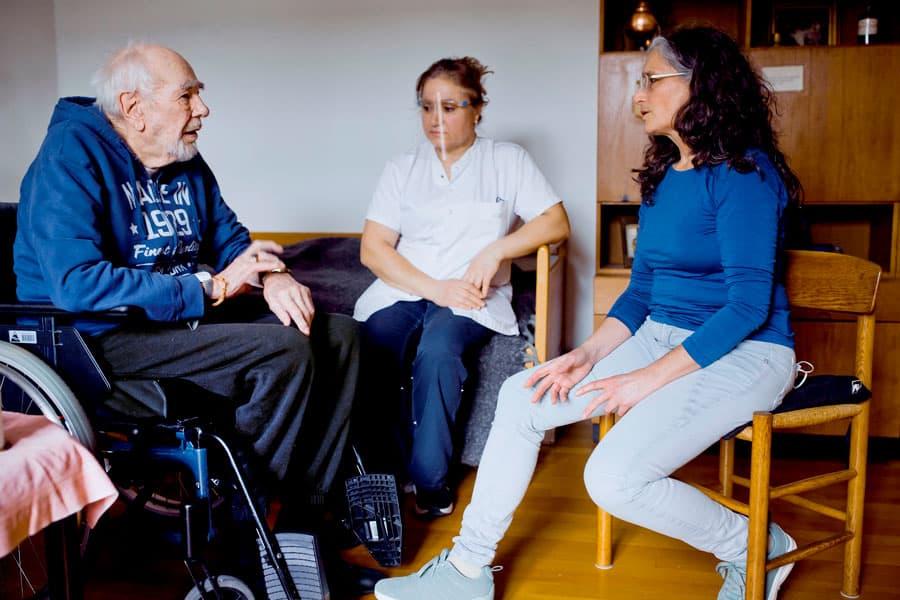
For families, this can mean paying attention to how staff speak to their loved one.
Is the resident being talked to respectfully? Are staff knocking before entering? Is personal care handled privately? Are residents given reasonable choices when possible?
These everyday details can tell you a lot about the culture of a facility.
The Right to Quality Care
Residents have the right to receive appropriate care and treatment without discrimination. Nursing homes are expected to provide services that address a resident’s individual needs.
That does not mean every resident will receive exactly the same treatment.
Someone who needs assistance walking will have different needs from someone who is independently mobile. A resident with memory problems may need more supervision than someone who does not.
Families should become familiar with their loved one’s care plan and ask questions when the care being provided does not seem to match those needs.
Residents Have a Say in Their Care
One of the most important rights is the ability to participate in decisions about care and treatment.
New York’s nursing home resident-rights materials recognize residents’ rights to participate in planning their care and services and to make personal choices within applicable legal and medical limits.
This can involve surprisingly ordinary things.
What time does the resident prefer to wake up? What activities do they enjoy? What foods do they dislike? Who do they want visiting them?
A nursing home may have routines, but a resident should not automatically lose their individuality just because they live there.
The Right to Privacy
Privacy can become especially important when someone needs assistance with intimate parts of daily life.
New York protects nursing home residents’ rights to privacy in their care and communications. Residents also have rights concerning visits and communications with people outside the facility.
Families should feel comfortable asking how the facility protects residents’ personal information and privacy.
If your loved one tells you that staff members enter the room without appropriate consideration for privacy, that is worth discussing with the facility.
The Right to Have Visitors
Residents generally have the right to receive visitors of their choosing, subject to applicable rules and circumstances.
This is important because regular family visits can do more than provide companionship. They can also help families notice changes in a resident’s condition.
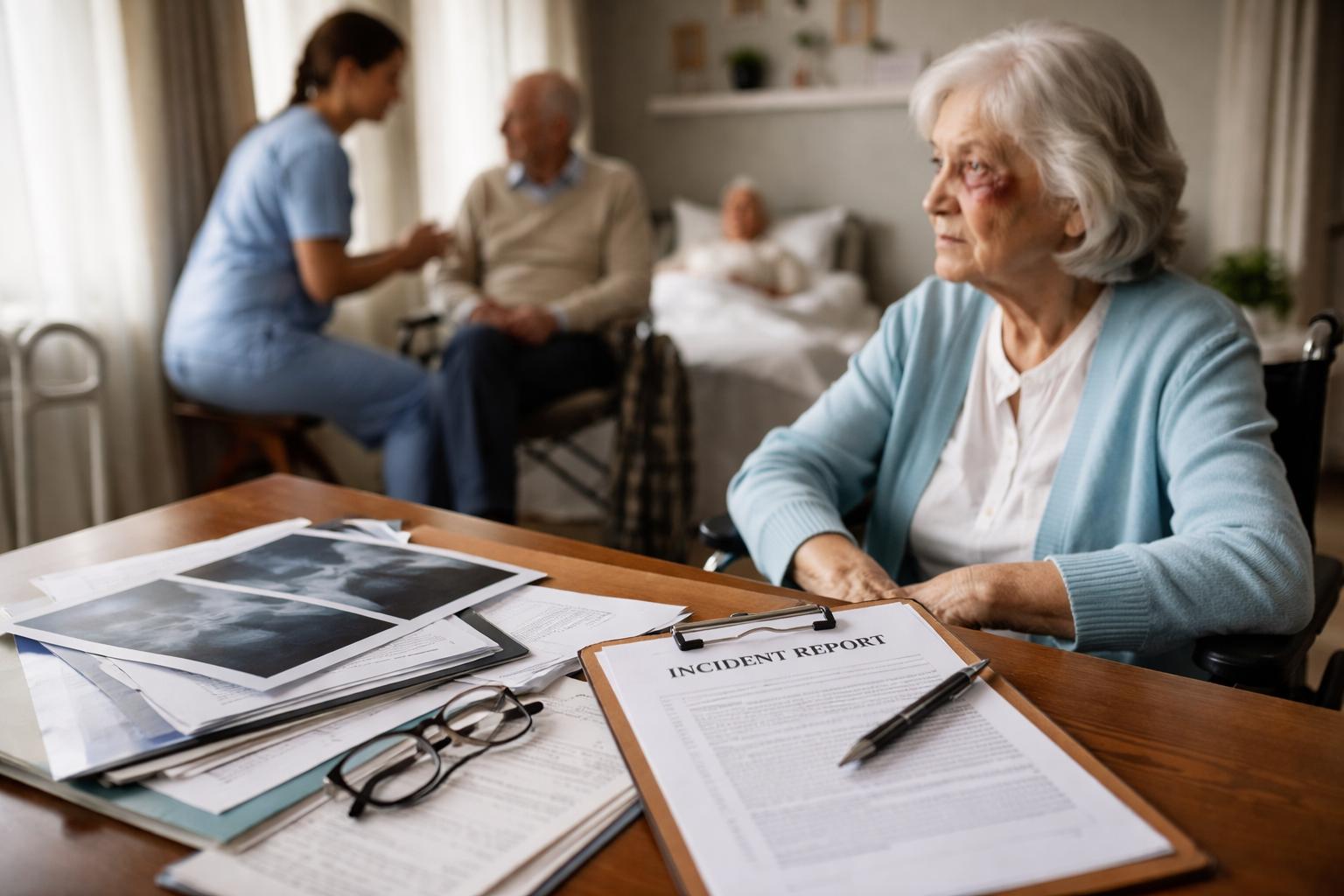
Maybe your normally talkative father suddenly seems withdrawn. Maybe your mother has lost weight. Maybe she has a bruise she cannot explain.
Those changes may not always mean neglect, but frequent contact can make it easier to notice when something needs attention.
The Right to Be Free From Abuse and Improper Restraints
This is one of the most important protections for nursing home residents.
New York recognizes the right of residents to be free from physical, verbal, sexual, and mental abuse. Residents also have protections relating to inappropriate restraints and involuntary seclusion.
Abuse is not always obvious.
It could involve:
- Threatening a resident
- Humiliating or insulting them
- Using unnecessary physical force
- Deliberately isolating them
- Misusing restraints
- Taking advantage of a resident financially
- Sexual misconduct
If a loved one suddenly seems afraid of a particular staff member or becomes unusually anxious after previously feeling comfortable, do not automatically dismiss the change.
Ask questions.
Residents Have Rights Over Their Personal Finances
Money can become a complicated issue after someone enters a nursing home.
New York recognizes residents’ rights involving their personal funds and financial affairs. A resident who is capable of managing their own money generally retains that right.
Families may want to keep track of:
- Personal spending accounts
- Facility charges
- Receipts
- Personal belongings
- Deposits
- Payments made on the resident’s behalf
If money or property suddenly goes missing, document the situation and ask the nursing home for an explanation.
Financial exploitation of an elderly resident should not be treated as a minor disagreement.
The Right to Complain About Care
This is a big one.
A resident has the right to complain about their care without being punished for doing so.
New York provides a nursing home complaint process through the Department of Health. The state can investigate complaints involving nursing home care, including allegations of abuse, neglect, and other violations.
Families can also raise concerns directly with nursing home administrators.
It is often useful to put serious complaints in writing. Keep copies of emails, letters, and responses from the facility.
A simple written record can be much easier to follow later than trying to remember a series of conversations.
What If the Nursing Home Wants to Move or Discharge Your Loved One?
This is something Bronx families should take seriously.
New York has specific protections involving nursing home transfers and discharges. A facility generally must provide written notice and explain the reason for a proposed transfer or discharge, although exceptions can apply in certain situations. Residents have appeal rights as well.
If you receive a discharge notice, do not put it aside assuming you have plenty of time.
Read the notice carefully and look at the appeal instructions.
New York’s Department of Health explains that residents can appeal certain involuntary transfers or discharges, and specific deadlines apply.
What Can Families Do When Something Feels Wrong?
You do not need to immediately assume that a nursing home is negligent every time something goes wrong.
But you should pay attention to patterns.
If your loved one repeatedly experiences unexplained falls, medication problems, untreated wounds, dehydration, sudden weight loss, or changes in behavior, start documenting what you see.
Keep track of:
- Dates of incidents
- Names of staff members
- Injuries or symptoms
- Medical appointments
- Medication concerns
- Conversations with administrators
- Written complaints
- Photographs when appropriate
- Hospital records
You are not trying to build a lawsuit by yourself. You are simply making sure important information does not disappear.
Where Can Bronx Families Report Nursing Home Problems?
The New York State Department of Health accepts complaints concerning nursing homes. Depending on the complaint, the Department may review records, interview people, and conduct an onsite investigation.
Families can also contact the Long-Term Care Ombudsman Program for advocacy and assistance with resident concerns.
If there is an immediate medical emergency or someone is in immediate danger, address the emergency first rather than waiting for an administrative complaint process.
When Should You Speak With a Nursing Home Lawyer?
Not every complaint requires a lawsuit.
But legal advice can become important when poor care results in serious harm.
Consider speaking with an experienced New York nursing home attorney if your loved one has suffered:
- Serious or unexplained injuries
- Pressure ulcers or untreated wounds
- Repeated falls
- Medication errors
- Malnutrition or dehydration
- Suspected physical or emotional abuse
- Financial exploitation
- Improper restraints
- A questionable discharge
- Serious injury or death following suspected neglect
A lawyer can review the circumstances and explain whether the situation may support a legal claim.
Frequently Asked Questions
Q1: What are the basic rights of nursing home residents in the Bronx?
Residents have rights involving dignity, respectful treatment, quality care, privacy, personal choices, visitors, financial matters, participation in care planning, and freedom from abuse and improper restraints. New York also provides residents with procedures for raising complaints.
Q2: Can a nursing home stop my family from visiting?
Residents generally have the right to receive visitors of their choosing, although specific restrictions may apply depending on the circumstances and applicable rules. If visits are being restricted unexpectedly, ask the facility to explain the reason.
Q3: What should I do if my loved one’s rights are being violated?
Document what happened, raise the concern with the facility, and consider reporting the issue to the New York State Department of Health or contacting the Long-Term Care Ombudsman. If the resident has suffered serious harm, speaking with a nursing home attorney may also be appropriate.
Q4: Can a nursing home discharge my loved one without warning?
New York has transfer and discharge protections, and facilities generally must provide written notice explaining the proposed discharge or transfer, subject to certain exceptions. Residents may have the right to appeal.
Final Thoughts
A nursing home may provide the room, meals, medication assistance, and medical care your loved one needs, but your loved one’s rights do not disappear when they move through those doors.
Bronx families have every reason to ask questions about care, privacy, finances, visitors, treatment, and discharge decisions. If something seems unusual, document it and ask for an explanation.
And if a serious problem is ignored, you have options. New York provides complaint and advocacy processes, and in cases involving significant harm, legal action may also be available.
The simplest thing families can do is stay involved. Visit when you can. Talk to your loved one. Ask questions. Notice changes. Sometimes those small moments are what reveal a much bigger problem.