DWI in Buffalo: Laws, Rights and Legal Options
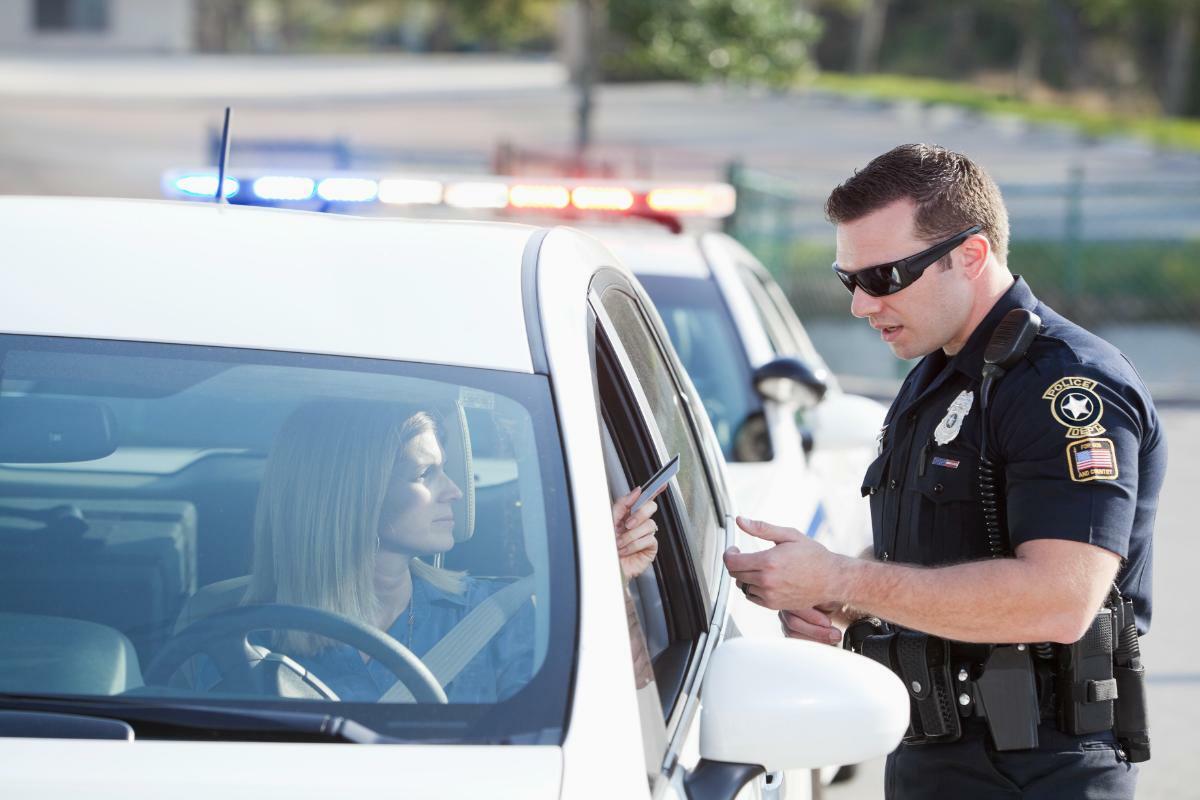
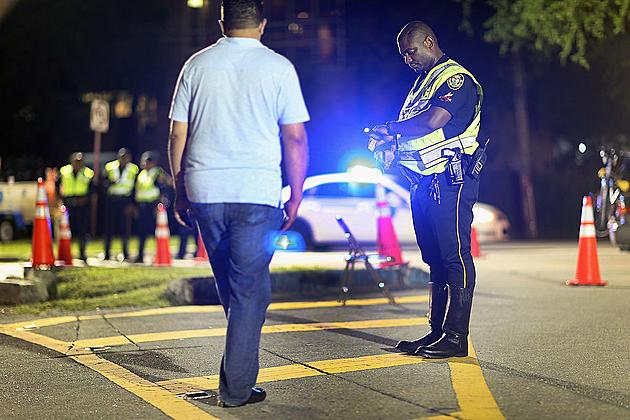
A DWI arrest in Buffalo can happen quickly. One moment you are driving home, and the next you may be dealing with police questioning, a breath test, an arrest, or a notice affecting your driving privileges. Understanding DWI in Buffalo starts with knowing that New York treats impaired driving seriously, but an arrest is not the same thing as a conviction. The circumstances of the stop, testing process, evidence, and prior driving history can all matter.
What Counts as a DWI in New York?
New York law generally considers a driver legally intoxicated when a chemical test shows a blood alcohol concentration (BAC) of 0.08% or higher. New York also prohibits operating a vehicle while intoxicated even when a specific BAC result is not the basis of the charge. A BAC of 0.18% or higher can lead to an aggravated DWI charge.
There are other impaired-driving offenses as well. For example, a BAC above .05% but below .07% can fall under DWAI-Alcohol, while driving ability can also be impaired by drugs or a combination of alcohol and drugs.
That means a DWI case is not always simply about whether someone’s BAC was above or below .08. The exact charge and evidence depend on the circumstances.
What Happens After a DWI Arrest?
After an arrest, a driver may face both criminal or traffic proceedings and separate consequences involving the driver’s license.
For a first DWI conviction, New York currently lists a fine of $500 to $1,000, a possible jail sentence of up to one year, and a minimum six-month license revocation. Penalties can become substantially more serious for repeat offenses.
A second DWI within 10 years is generally treated as a Class E felony, while a third within 10 years can be a Class D felony. The potential fines, jail exposure, and license consequences increase accordingly.
Other financial consequences can also apply, including mandatory surcharges and driver responsibility assessments.
What About the Driver’s License?
A DWI case can create a separate problem involving your ability to drive.
New York’s administrative license process can operate independently from the criminal case. Depending on the circumstances, a person may face a suspension or revocation connected to a chemical test result or refusal.
The DMV states that refusing a chemical test can result in a license revocation of at least one year for many drivers, along with a civil penalty. A refusal can therefore create consequences even apart from the underlying DWI prosecution.
Because the criminal case and DMV proceedings can involve different procedures and deadlines, someone arrested for DWI should pay attention to both.
Can You Refuse a Breath or Chemical Test?
This is an area where people often misunderstand their rights.
New York has specific laws governing chemical testing and the consequences of refusal. Simply assuming that refusing a test makes the DWI case disappear can be a serious mistake. The DMV specifically imposes license consequences for chemical-test refusals.
If you have already refused a test, an attorney can explain what the refusal means in your particular circumstances and what proceedings may follow.
What Are Your Rights After a DWI Arrest?
You have important legal rights after being accused of DWI. You have the right to remain silent rather than trying to explain everything to police, and you have the right to legal representation.
You should also avoid guessing about what happened or making statements simply because you feel pressured to provide an explanation. Details about where you were, what you consumed, when you consumed it, how you were driving, and what happened during the traffic stop can become relevant evidence.
If you are released, keep every document you receive. Court papers, tickets, DMV notices, chemical-test paperwork, and other records may become important later.
What Can a DWI Lawyer Examine?
A DWI lawyer may review much more than the final BAC number.
Depending on the case, an attorney may examine the reason for the traffic stop, observations made by the officer, field sobriety testing, statements made during the encounter, breath or chemical testing procedures, video footage, paperwork, and whether required procedures were followed.
The attorney may also look at the timing of tests and whether there are factual or procedural issues that need to be challenged.
This does not mean every DWI case will have a successful challenge. It simply means the evidence should be reviewed carefully rather than assuming that an arrest automatically proves guilt.
Ignition Interlock Devices in New York
New York’s DWI laws can also require the use of an ignition interlock device after certain convictions.
Under Leandra’s Law, a court must generally require an ignition interlock device for a person convicted of DWI and sentenced to probation or a conditional discharge. For certain aggravated DWI offenses, the requirement also applies, and the device generally remains in the vehicle for at least 12 months unless the law or court permits otherwise.
An ignition interlock device requires the driver to provide a breath sample before the vehicle can start. Additional rules may apply to its use and maintenance.
What Legal Options May Be Available?
There is no single legal strategy that applies to every Buffalo DWI case. Depending on the evidence and circumstances, possible legal issues may involve the traffic stop, probable cause, field sobriety testing, chemical-test procedures, statements, or the reliability and admissibility of evidence.
In some cases, the matter may involve negotiations over the charge or another resolution. In others, litigation may be necessary.
The important point is that you should understand the actual evidence against you before making decisions about how to proceed.
When Should You Speak With a DWI Lawyer?
If you have been arrested or charged with DWI in Buffalo, getting legal advice early can help you understand the court process, DMV consequences, deadlines, and potential defenses.
Bring the paperwork you received, including tickets and court documents. If you remember details about the traffic stop, write them down while they are still fresh. Do not alter or delete relevant messages, photographs, videos, or other records.
A lawyer can review your specific circumstances and explain what options may be available under New York law.
4 FAQs About DWI in Buffalo
1. What is the legal BAC limit for DWI in Buffalo?
For most drivers, New York treats a BAC of .08% or higher as DWI per se. A BAC of .18% or higher can result in an aggravated DWI charge. Different rules can apply to commercial drivers and drivers under 21.
2. Can I lose my license after a DWI arrest?
Potentially. New York has administrative license procedures involving DWI charges and chemical-test refusals. The exact consequences depend on the circumstances and the driver’s prior record.
3. Does refusing a chemical test prevent a DWI conviction?
No. Refusing a chemical test does not automatically make a DWI case disappear. In fact, a refusal can itself result in separate DMV consequences, including license revocation.
4. Should I hire a DWI lawyer after an arrest?
It can be useful to speak with a lawyer promptly so you understand both the criminal case and any DMV proceedings. An attorney can review the circumstances of the stop, testing, evidence, and your prior record before explaining the legal options available in your situation.
Final Thoughts
A DWI charge in Buffalo can affect much more than a single court appearance. There may be questions about your driver’s license, fines, criminal penalties, ignition interlock requirements, insurance, and your ability to drive to work or handle everyday responsibilities.
If you are facing a DWI charge, do not assume that the outcome is predetermined. At the same time, do not underestimate the consequences. Understanding the evidence, knowing your rights, and getting advice about the specific facts of your case can help you make informed decisions about what to do next.