Rochester Motorcycle Accident Laws: What Riders Should Know After a Crash
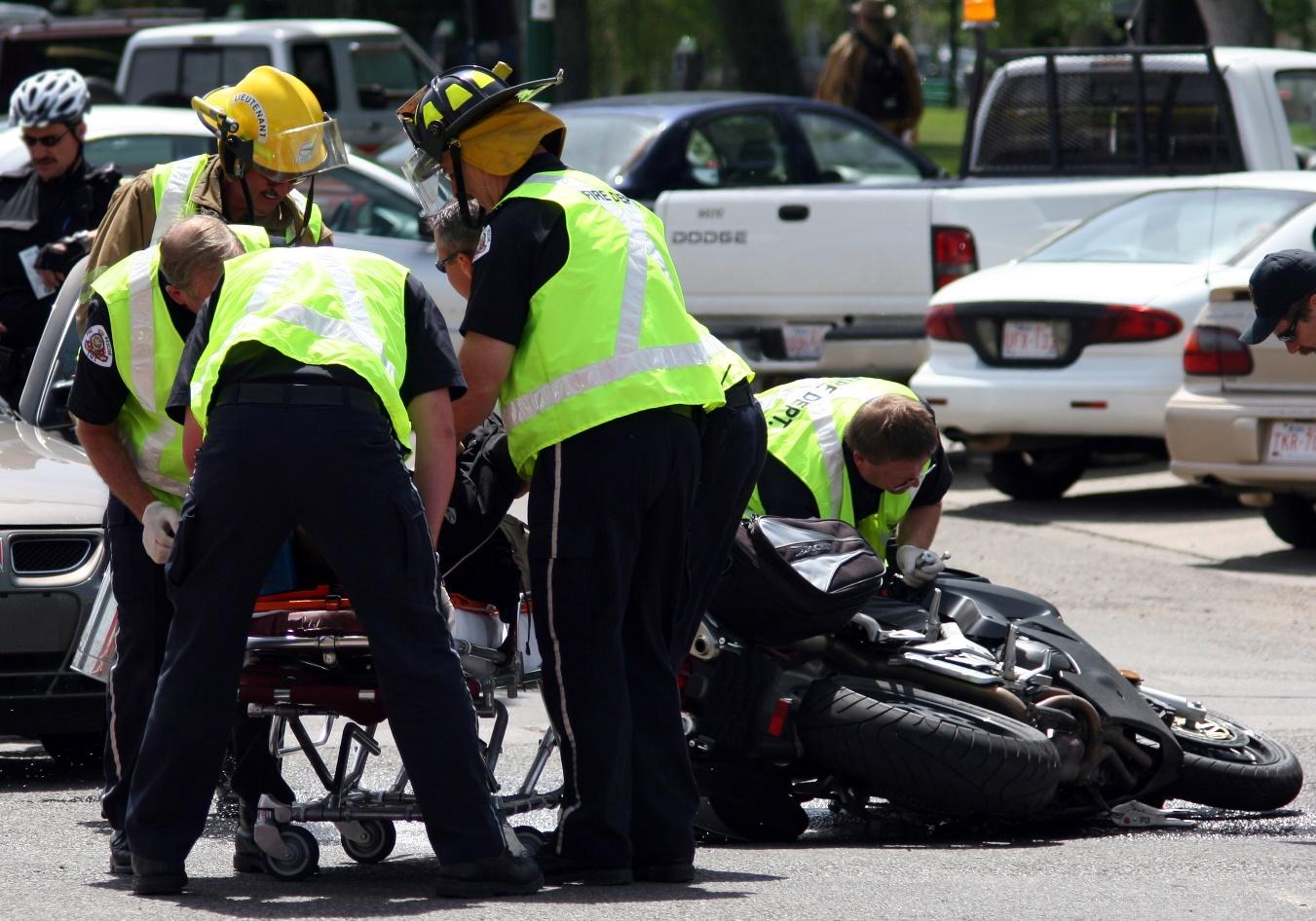
A motorcycle accident can leave someone dealing with much more than a damaged bike. A broken helmet, hospital bills, missed work, and weeks of dealing with pain can quickly turn a frightening crash into a complicated legal problem. For riders looking into Rochester motorcycle accident laws, one important point is that motorcycle crashes are treated differently from ordinary car accidents in some areas of New York insurance law. Understanding those differences can help an injured rider know what questions to ask and what steps may matter after a collision.
New York’s No-Fault Rules Are Different for Motorcycles
One of the biggest things motorcycle riders should understand is that New York’s no-fault system does not provide the same protection to people occupying motorcycles as it does to occupants of covered motor vehicles.
New York insurance regulations specifically exclude a person while occupying a motorcycle from mandatory no-fault personal injury protection coverage.
That distinction can become important after a Rochester crash. Someone injured while riding a motorcycle may need to look more closely at the available insurance coverage and potential liability claim rather than assuming their own motorcycle policy will handle medical expenses in the same way a car policy would.
This is one reason it is worth reviewing the insurance policies involved before accepting an early settlement.
Who Was Responsible for the Motorcycle Accident?
Like other personal injury cases, a motorcycle accident claim generally depends heavily on what caused the collision.
A driver may have been speeding, distracted, turning without yielding, changing lanes without seeing the motorcycle, following too closely, or otherwise violating traffic rules. But the other side may argue that the motorcyclist also contributed to the crash.
New York follows comparative negligence principles. If an injured person is found partly responsible for an accident, the damages may be reduced according to that person’s share of fault. Courts continue to address comparative-negligence questions in motor vehicle cases.
That means an insurance company saying, “You were partly at fault,” does not automatically end the claim. The actual evidence matters.
Evidence Can Make a Big Difference
Motorcycle crashes can happen quickly, and the people involved may remember the event differently. Photographs and other evidence can therefore become extremely important.
If you are physically able to do so, useful evidence may include:
- Photographs of the motorcycle and other vehicles
- Pictures of the roadway and intersection
- Traffic signs and signals
- Skid marks or debris
- Visible injuries
- Helmet and protective equipment
- Dashcam or surveillance footage
- Names and contact information of witnesses
- Police accident reports
- Medical records
Do not assume that the damage to the motorcycle tells the whole story. Road conditions, vehicle positioning, visibility, traffic signals, and witness accounts may also help establish what happened.
Does Not Wearing a Helmet Automatically Destroy a Claim?
Helmet use can become an issue in motorcycle litigation, but the legal question is not always as simple as an insurer may make it sound.
A 2026 New York appellate decision, Nicolai v. Daisak, addressed defenses involving helmet use and assumption of risk in a scooter collision. The court rejected the assumption-of-risk defense for that traffic accident and struck the failure-to-wear-a-helmet defense where the evidence showed that the rider was wearing one.
The details of the particular accident matter. A rider should therefore avoid assuming that one fact automatically determines the entire case.
What About Serious Injuries?
Motorcycle riders have less physical protection than people inside passenger vehicles. A collision can result in fractures, spinal injuries, traumatic brain injuries, road rash, internal injuries, or long-term mobility problems.
The legal value of an injury claim is not determined simply by the first hospital bill. The continuing effects of an injury can matter too.
For example, someone who cannot return to the same job, needs rehabilitation, requires additional treatment, or continues experiencing pain may face losses extending well beyond the first few weeks after the crash.
Medical documentation can help establish the connection between the accident and those losses.
What If the Other Driver Says the Motorcycle Was Going Too Fast?
Speed allegations are common in motorcycle accident disputes.
If the other driver claims the motorcycle was speeding, the issue may become whether there is evidence supporting that allegation and whether the alleged speed actually contributed to the collision.
Similarly, simply being on a motorcycle does not establish negligence. The circumstances of the particular crash need to be examined.
New York courts regularly analyze questions involving right-of-way, driver conduct, and comparative negligence based on the evidence surrounding a collision.
When Should a Rochester Motorcycle Accident Lawyer Be Contacted?
It can be useful to speak with a personal injury lawyer sooner rather than later when injuries are serious, fault is disputed, an insurance company is pressuring you to settle, or multiple vehicles or insurance policies are involved.
A lawyer can review the circumstances, identify potential sources of compensation, examine available evidence, and explain what options may exist.
That does not mean every motorcycle accident needs to become a lawsuit. In some cases, an insurance claim may resolve the matter. In others, litigation may become necessary. The right approach depends on the facts and the injuries involved.
4 FAQs About Rochester Motorcycle Accident Laws
1. Does New York no-fault insurance cover motorcycle riders?
Generally, mandatory no-fault personal injury protection does not apply to a person while occupying a motorcycle. Motorcycle accident insurance coverage therefore requires careful review of the policies and circumstances involved.
2. Can I recover compensation if I was partly responsible for a motorcycle accident?
Potentially, yes. New York applies comparative negligence, meaning an injured person’s recovery can be reduced based on their share of responsibility for the accident.
3. What should I do immediately after a motorcycle crash in Rochester?
Seek medical attention, report the accident when appropriate, exchange information, document the scene if you can safely do so, preserve relevant evidence, and keep records of medical treatment and expenses.
4. Should I speak with a lawyer before accepting an insurance settlement?
If you suffered significant injuries or there is a dispute about fault or coverage, getting legal advice before signing a settlement can help you understand what you may be giving up.
Final Thoughts
A motorcycle accident can change someone’s routine in a matter of seconds. The legal issues afterward can be just as complicated, particularly because motorcycle occupants are treated differently under New York’s no-fault rules.
For Rochester riders, documenting the accident, getting appropriate medical care, preserving evidence, and understanding the available insurance and liability claims can make a meaningful difference. If the injuries are serious or the circumstances are disputed, a Rochester motorcycle accident attorney can help explain the options based on the specific facts of the crash.