Rochester Slip and Fall Laws: What Injured People Should Know
A slip and fall can happen in a matter of seconds. One minute you are walking into a store, apartment building, parking lot, or office, and the next you are on the ground wondering what happened. In Rochester, where snow, ice, wet floors, uneven sidewalks, and poorly maintained walkways can create hazards, these accidents are not always as simple as they first appear. Understanding Rochester slip and fall laws can help an injured person recognize when a property owner or another responsible party may be legally responsible.
New York generally treats slip and fall cases as premises liability claims. The important question is usually not simply whether someone fell, but whether a dangerous condition existed and whether the property owner or another responsible party had a legal responsibility to address it.
When Can a Property Owner Be Responsible?
Property owners and other parties responsible for maintaining premises generally have a duty to take reasonable steps to keep their property reasonably safe for people who are lawfully there.
That does not mean every fall automatically creates a valid lawsuit. An injured person generally needs to establish that a dangerous condition existed and that the responsible party was negligent in some way.
For example, imagine a person walking through a Rochester grocery store and slipping on a puddle near a refrigerated section. The important details may include how long the water was there, whether employees knew about it, whether inspections were performed, whether warning signs were present, and whether the condition could reasonably have been cleaned up sooner.
Notice Can Be One of the Biggest Issues
One of the most important parts of a slip and fall case is often notice.
A property owner may argue that they did not know about the dangerous condition and did not have enough time to discover or correct it. An injured person may therefore need evidence showing that the owner actually knew about the condition or that it existed long enough that the owner reasonably should have discovered it.
This becomes especially important with snow and ice.
A recent Fourth Department decision involving the Buffalo Municipal Housing Authority illustrates how significant notice can be in an icy-condition case. The court explained that simply knowing that winter weather can produce snow or ice is not necessarily enough to establish notice of the specific dangerous condition that caused a fall.
So, saying that “it was cold outside” is very different from showing that a particular icy patch had existed long enough for the responsible party to address it.
What About Snow and Ice in Rochester?
Winter conditions can make slip and fall claims more complicated.
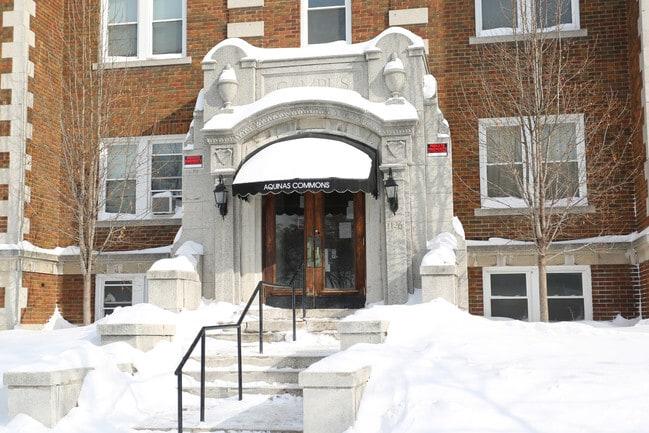
Snow and ice may form quickly, melt, refreeze, or change throughout the day. That can make it difficult to determine when the dangerous condition developed and whether the property owner had a reasonable opportunity to correct it.
Photos can therefore become extremely important. If you fall because of ice, take photographs of the exact area if you can safely do so. Pictures showing the condition, surrounding area, lighting, stairs, handrails, entrances, or lack of warning signs may help establish what the property looked like at the time.
Weather information, maintenance records, witness statements, surveillance footage, and incident reports may also become relevant.
Where Did the Fall Happen?
The location of the accident matters.
A fall inside a privately owned business can involve different issues from a fall on a public sidewalk, municipal property, apartment complex, parking area, or other location.
Claims involving government-owned property can have additional procedural requirements. New York law also contains special rules involving claims against municipalities, including requirements concerning notice and timing. The specific municipality and location of the accident therefore matter.
This is one reason it is risky to assume that every Rochester slip and fall case follows exactly the same process.
What Should You Do After a Slip and Fall?
If you are physically able to do so, start documenting the accident as soon as possible.
Take photographs of the condition that caused the fall. Write down the date, approximate time, and exact location. Get the names and contact information of witnesses if possible. Report the accident to the store, building manager, property owner, or another appropriate person and ask whether an incident report is being prepared.
Keep copies of medical records, bills, prescriptions, transportation expenses, and other documents connected with the injury.
It can also be helpful to keep the shoes and clothing you were wearing at the time of the accident, particularly if they were affected by the condition that caused the fall.
Most importantly, seek appropriate medical attention. Some injuries that seem minor immediately after a fall can become more noticeable later.
How Long Do You Have to File a Slip and Fall Claim?
For a typical New York negligence claim involving a slip and fall, the statute of limitations is generally three years from the date of the accident. New York Courts specifically lists slip and fall claims under CPLR 214(5).
That does not mean an injured person should wait three years before speaking with a lawyer. Evidence can disappear, surveillance footage may be overwritten, witnesses can become difficult to locate, and the condition that caused the accident may be repaired.
Claims involving government entities can have different and shorter notice requirements, making prompt legal advice particularly important.
Can You Still Have a Case If You Were Partly at Fault?
Possibly.
New York follows comparative negligence principles, meaning a person’s own contribution to an accident can affect the amount they ultimately recover rather than automatically eliminating the claim.
For example, a property owner might argue that a person was distracted or failed to see an obvious condition. The exact facts matter, including the condition itself, visibility, lighting, warnings, and what a reasonable person would have noticed under the circumstances.
A lawyer can review those details and explain how comparative fault could affect a particular claim.
4 FAQs About Rochester Slip and Fall Laws
1. Do I need to prove that the property owner knew about the dangerous condition?
Not necessarily in every situation, but notice is often a major issue. A claim may involve actual notice, constructive notice, or circumstances in which the defendant created the dangerous condition. The specific facts determine what must be established.
2. What evidence is useful in a Rochester slip and fall case?
Photographs, videos, witness information, incident reports, medical records, surveillance footage, maintenance records, weather information, and documentation showing the condition of the property can all potentially be useful.
3. How long do I have to file a Rochester slip and fall lawsuit?
A typical New York slip and fall negligence claim generally has a three-year statute of limitations. However, special rules may apply when a government entity or other particular defendant is involved.
4. Can I file a claim if I slipped on snow or ice?
Potentially. Snow and ice cases often turn on questions such as how the condition formed, whether the responsible party knew or should have known about it, and whether there was enough time to address it. A recent Fourth Department decision demonstrates how important those notice questions can be.
Final Thoughts
A slip and fall may look straightforward from the outside, but the legal questions can become complicated quickly. Where the accident happened, what caused the fall, how long the condition existed, who was responsible for the property, and what evidence is available can all make a difference.
If you were injured in Rochester, documenting the scene and getting medical attention early can help preserve important information. Because deadlines and requirements can vary depending on who owns or controls the property, speaking with a New York personal injury attorney about the specific circumstances can help you understand your options.