
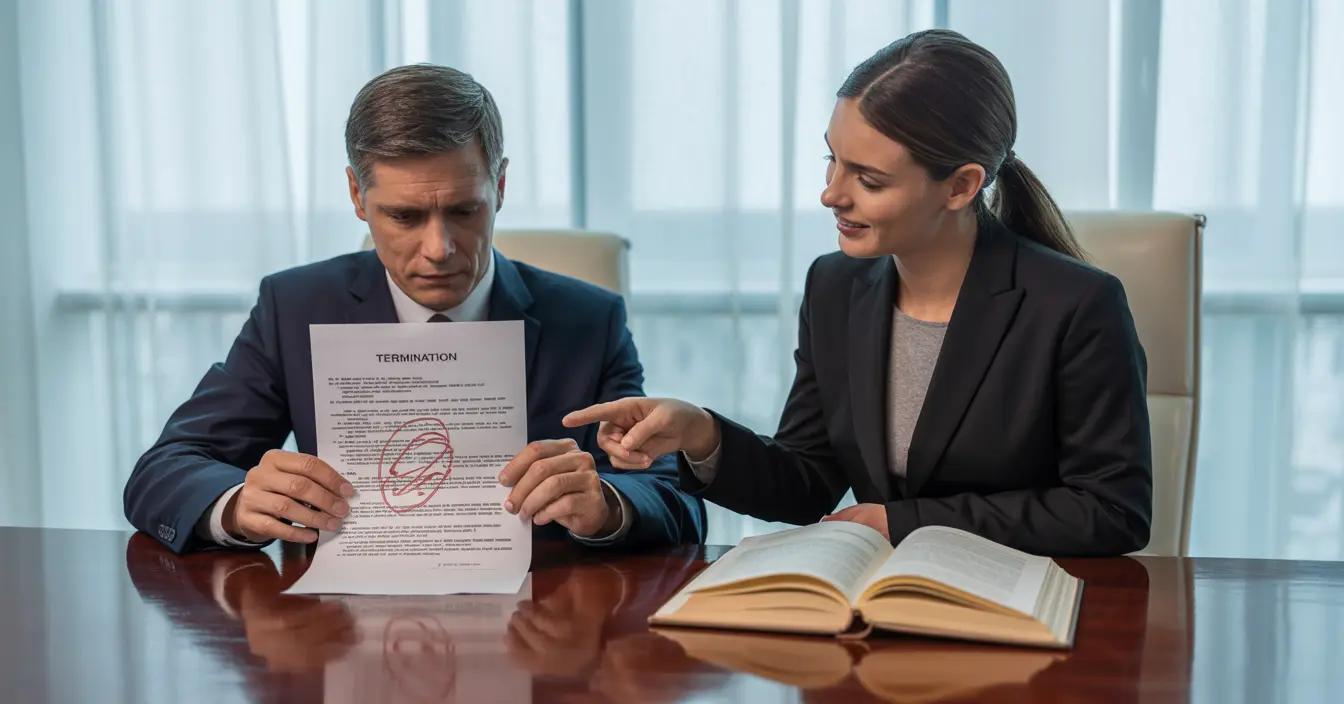
Rochester Wrongful Termination Laws: What Employees Should Know
Getting fired can leave you with more questions than answers. One day you have a job, regular responsibilities, and a routine, and suddenly you are being told that your employment is over. For workers in Rochester, the first question is often simple: “Was my employer actually allowed to fire me?” New York generally follows at-will employment, which means an employer can usually terminate an employee without having to show good cause, as long as the termination is not illegal.
That distinction matters. Being fired unfairly does not automatically mean you have a wrongful termination claim. The circumstances surrounding the decision are what may make a termination unlawful.
What Is Wrongful Termination in New York?
Wrongful termination generally refers to being fired for a reason that violates a law or an enforceable employment agreement.
For example, an employer generally cannot fire someone because of a protected characteristic covered by New York’s anti-discrimination laws. New York protections include areas such as race, color, religion, sex, disability, national origin, sexual orientation, gender identity or expression, age, marital status, military status, and other protected categories.
A termination can also raise legal concerns when it happens because an employee exercised a protected right or complained about an unlawful workplace practice.
Being Fired After Making a Workplace Complaint
Imagine an employee complains that the employer is not paying overtime correctly. A few weeks later, the employee is suddenly dismissed and told that the company is “going in another direction.”
The timing alone does not prove retaliation, but it can be an important fact.
New York Department of Labor guidance explains that employers cannot retaliate against employees for reporting labor-law violations or exercising certain rights. Retaliation can include termination, reduced hours, demotion, reassignment, disciplinary action, or other adverse treatment.
So if a termination follows a complaint about wages, working conditions, or another protected workplace issue, it may be worth discussing the circumstances with an employment lawyer.
Discrimination Can Lead to an Unlawful Termination Claim
Sometimes the reason given for a firing does not tell the whole story.
An employee may receive years of positive reviews and then suddenly be accused of poor performance after reporting discriminatory comments. Another worker might be passed over for opportunities and later terminated after complaining about unequal treatment.
New York’s Human Rights Law prohibits employment discrimination based on numerous protected characteristics, including race, religion, disability, sex, age, national origin, sexual orientation, gender identity or expression, marital status, military status, and pregnancy-related conditions, among others.
The important issue is often whether there is evidence connecting the employment decision to the protected activity or characteristic.
Whistleblower Protection in New York
Employees can also have legal protections when they report certain unlawful or dangerous practices.
New York Labor Law Section 740 provides protections for qualifying whistleblowers. The law covers employees and certain independent contractors who disclose or threaten to disclose activity, policy, or practice that they reasonably believe violates a law, rule, or regulation or presents a substantial and specific danger to public health or safety.
These cases can become complicated because the legal definition of a protected whistleblower is specific. Simply disagreeing with management or believing that a company is behaving badly does not necessarily create a whistleblower claim.
What Evidence Can Help?
If you believe you were wrongfully terminated, start preserving information while it is still available.
Depending on the situation, useful records may include:
- Employment contracts or offer letters
- Performance reviews
- Emails and workplace messages
- Written complaints to management or HR
- Disciplinary notices
- Pay records
- Termination letters
- Employee handbook policies
- Names of people who witnessed important events
- Notes showing when complaints or disciplinary actions occurred
Do not alter documents or create records after the fact. Keep copies of information you are legally allowed to retain and speak with an attorney about anything you are unsure about.
If discrimination is involved, the New York State Division of Human Rights specifically recommends keeping written records of complaints and workplace incidents.
What If My Employer Says I Was Fired for Performance?
An employer may legally terminate an employee for legitimate, non-discriminatory reasons. Poor performance, restructuring, attendance problems, misconduct, or other business reasons can potentially support a lawful termination.
The question becomes more complicated when the stated reason appears inconsistent with the employee’s history or changes after the employee engages in protected activity.
For example, if someone has consistently received strong performance reviews and is suddenly labeled a poor performer immediately after filing a discrimination complaint, the surrounding facts may deserve closer examination. That does not automatically establish a violation, but it may be relevant evidence.
What Should Rochester Employees Do After Being Fired?
Try not to make an emotional decision immediately after termination. Read any documents your employer gives you and pay attention to deadlines, severance agreements, benefits information, and instructions concerning company property.
If you believe the termination may have involved discrimination, retaliation, whistleblowing, or another protected activity, consider speaking with an employment attorney before signing a severance or settlement agreement.
New York also provides administrative options for certain workplace disputes. The Department of Labor handles various labor-law complaints, while the Division of Human Rights handles employment discrimination matters within its jurisdiction.
4 FAQs About Wrongful Termination in Rochester
1. Can I sue my employer for firing me in Rochester?
Not every termination creates a legal claim. New York is generally an at-will employment state, but termination may be unlawful if it violates anti-discrimination laws, retaliation protections, whistleblower laws, an employment agreement, or another applicable legal protection.
2. Is it wrongful termination if I was fired after complaining to HR?
It depends on what you complained about and the circumstances surrounding the termination. Complaints involving protected workplace rights can receive legal protection against retaliation.
3. What should I save after being terminated?
Keep relevant emails, performance reviews, termination paperwork, employment agreements, workplace policies, complaint records, and other documents that may help establish what happened and when.
4. How long do I have to file a wrongful termination claim in New York?
The deadline depends on the legal basis of the claim and where it is filed. Different federal, state, and local laws can have different filing periods, so employees should not assume they have unlimited time. Speaking with an attorney promptly can help identify applicable deadlines.
Final Thoughts
Being fired is not automatically illegal simply because it feels unfair. In Rochester, the more important question is whether the termination violated a specific legal protection. Discrimination, retaliation, protected whistleblowing, and certain contractual or statutory rights can change the situation considerably.
If something about the termination does not add up, pay attention to the timeline. What happened before you were fired, what you said or reported, what your employer said in response, and what changed afterward can all matter when evaluating your legal options.



