
Rochester Tenant Rights and Landlord Laws
Renting a home in Rochester usually comes with a long list of ordinary responsibilities. Pay the rent, keep the apartment in reasonable condition, follow the lease, and let the landlord know when something needs fixing. But problems can become much more stressful when a landlord refuses to make repairs, suddenly raises the rent, threatens eviction, or enters the apartment without proper notice. Knowing your Rochester tenant rights and landlord laws can make it easier to understand where you stand when something goes wrong.
New York has several statewide protections for renters, while Rochester also has local housing rules that can affect landlords and tenants. The exact rights involved can depend on the type of rental, the lease, the condition of the property, and whether the apartment falls under special protections.
Your Home Should Be Safe and Livable
A landlord is not simply renting you four walls. New York’s warranty of habitability generally gives residential tenants the right to a livable, safe, and sanitary home. This can include essential conditions such as adequate heat and hot water and protection from serious problems such as infestations. Landlords of multiple dwellings also have duties to maintain building systems and keep common areas in good repair.
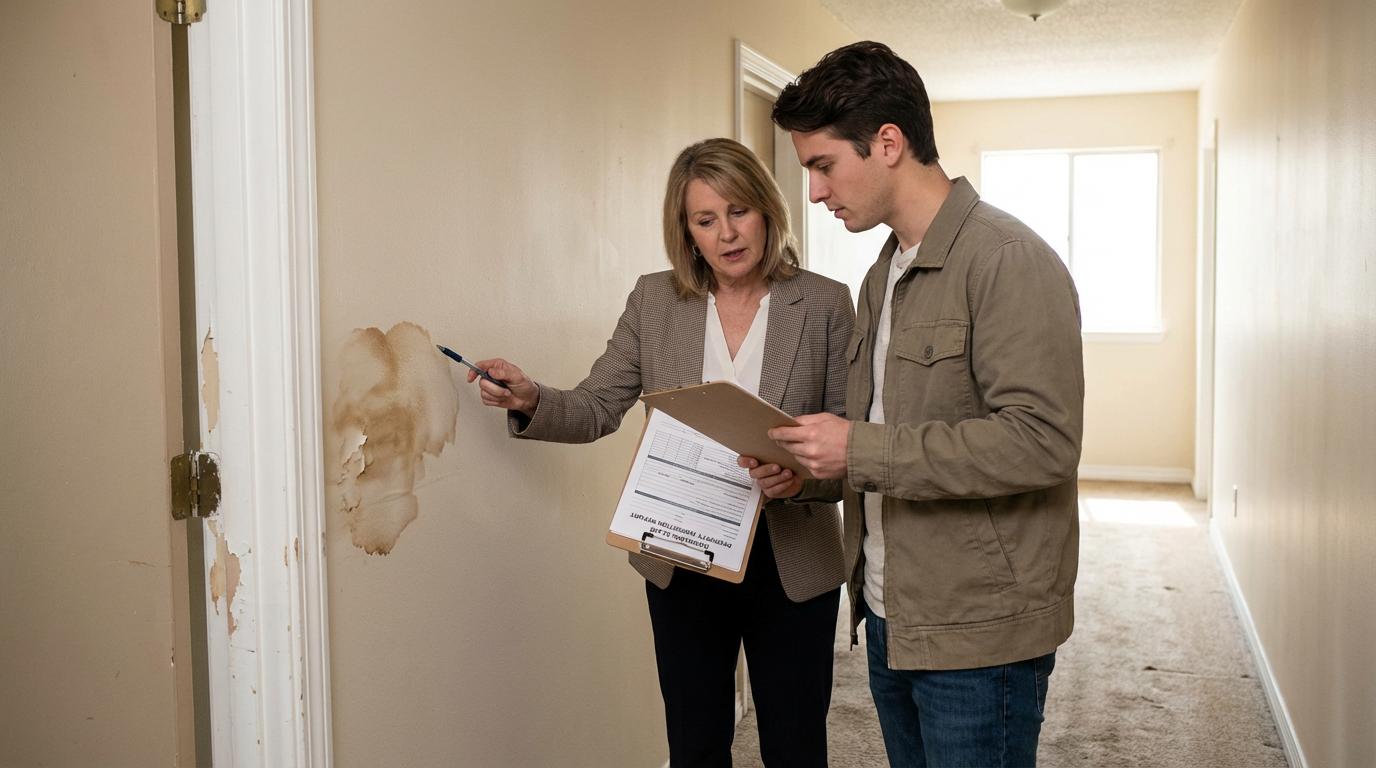
That matters in real life because a dripping ceiling or broken heater is not always something a tenant should simply put up with. If you have repeatedly notified your landlord about a serious condition and nothing happens, keep copies of your messages, photographs, repair requests, and other records. Documentation can become important if the dispute eventually reaches housing officials or a court.
What About Rent Increases?
A rent increase does not automatically mean that a landlord has violated the law. The rules can depend on whether the apartment is rent regulated, whether you have a lease, how long you have lived there, and other circumstances.
Rochester is also one of the New York localities covered by the state’s Good Cause Eviction Law. The law can provide additional protections to eligible tenants in non-rent-regulated housing, including protections against certain evictions or lease non-renewals without good cause. There are exceptions and exemptions, so not every rental situation is covered in exactly the same way.
This is one reason it is worth looking beyond the lease itself when a landlord says, “Your lease is over, so you have to leave.”
Can a Landlord Enter Your Apartment Whenever They Want?
Generally, tenants have a right to privacy in their homes. A landlord may have a legitimate reason to enter for repairs, services, inspections, or other purposes allowed by the lease or law, but ordinary entry generally involves reasonable prior notice and a reasonable time. Emergencies, such as a serious water leak or fire, can be different.
If you keep finding someone entering without reasonable notice, do not rely only on verbal conversations. Keep a record of dates, messages, and what happened. A pattern can be much easier to explain when you have it written down.
What Happens If Your Landlord Wants You Out?
An eviction is not something a landlord can simply carry out by changing the locks or putting your belongings outside.
New York law generally requires a legal court process before a tenant can be physically removed. The Attorney General explains that only a sheriff, marshal, or constable can carry out a court-ordered warrant of eviction. Landlords cannot use force, lockouts, threats, or intentional interruption of essential services as a substitute for the legal process.
If you receive court papers, take them seriously. Ignoring them does not make the case disappear and can leave you with fewer opportunities to respond.
For tenants covered by Good Cause protections in Rochester, the landlord may also need to establish a legally recognized reason for eviction. Examples can include nonpayment of rent, certain lease violations, nuisance behavior, or other circumstances identified by the law.
What If the Landlord Retaliates?
Imagine you complain about unsafe conditions, ask for necessary repairs, or contact a government agency about a housing problem. Shortly afterward, your landlord threatens not to renew your lease or starts an eviction case.
New York law provides protection against certain forms of landlord retaliation. The Attorney General explains that, in covered situations, retaliation may be presumed when a landlord takes certain adverse actions within one year of a tenant’s good-faith complaint.
That does not mean every rent increase or eviction notice is automatically retaliation. The circumstances matter. Still, if the timing seems suspicious, keep your records and consider getting legal advice.
Security Deposits Matter Too
Security deposits can create headaches at the end of a tenancy. For non-regulated units, New York generally requires a landlord to return the security deposit within 14 days after the tenant moves out. If money is withheld for damage, the landlord must provide an itemized explanation of the deductions.
Normal wear and tear is different from damage caused by a tenant. Taking photographs before moving in and again when moving out can be a simple way to document the condition of the apartment.
When Should a Rochester Tenant Talk to a Lawyer?
You do not necessarily need an attorney every time a faucet leaks or a landlord sends a routine notice. But legal help can become especially valuable when you are facing an eviction, an unlawful lockout, serious habitability problems, repeated harassment, a disputed security deposit, or a complicated lease issue.
New York also has legal-service organizations that may provide free representation to qualifying tenants.
The biggest mistake is often waiting until the situation becomes urgent. A notice from a landlord, court papers, or a sudden threat to terminate your tenancy is a good reason to understand your options quickly.
4 FAQs About Rochester Tenant Rights and Landlord Laws
1. Can my Rochester landlord evict me without going to court?
Generally, no. A landlord cannot simply lock you out or physically remove you without the required legal process. A lawful eviction generally requires a court proceeding and a court-ordered warrant carried out by an authorized officer.
2. What should I do if my landlord refuses to make important repairs?
Notify the landlord in writing and keep copies of your communications. Take photographs or videos of the problem and keep records of when you reported it. Depending on the circumstances, you may have additional legal or administrative options.
3. Does Good Cause Eviction apply to Rochester tenants?
Rochester is covered by New York’s Good Cause Eviction Law, but individual apartments and landlords may qualify for exemptions. If you receive a non-renewal or eviction notice, check whether the law applies to your particular rental before assuming that it does or does not.
4. Can a landlord retaliate because I complained about unsafe conditions?
New York law protects many tenants from landlord retaliation after good-faith complaints about housing conditions, repairs, lease rights, or related issues. The specific facts and type of housing matter.
Final Thoughts
Being a tenant does not mean you have to accept every demand a landlord makes. At the same time, tenants have responsibilities too, including paying rent as required, following lawful lease terms, and taking reasonable care of the property.
The best approach when a rental dispute starts getting serious is to slow things down, keep everything in writing, save your lease and notices, and understand the rules before making a major decision. Rochester renters have meaningful protections under New York law, but knowing which protection applies to your particular situation is often the most important part.



