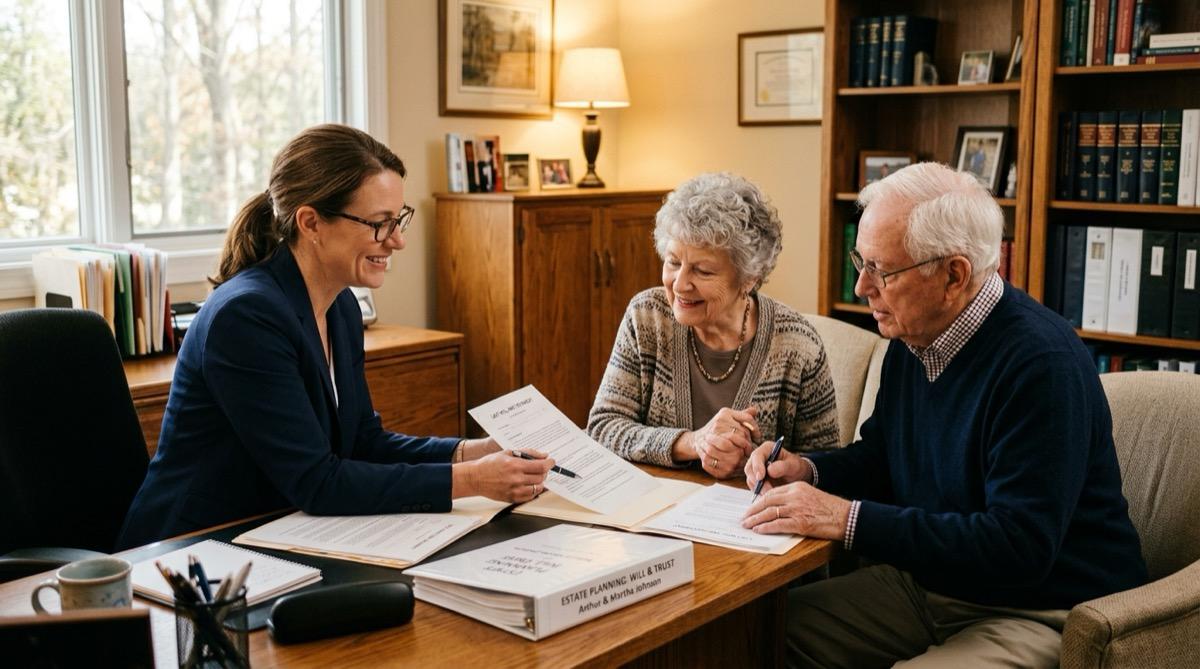
Estate Planning in Rochester: Laws, Rights and Legal Options
Estate planning is one of those things people often put off because it feels like something to deal with “later.” But whether you own a home in Rochester, have retirement accounts, have children, or simply want control over who handles your affairs, having a plan can make things much easier for your family. Estate Planning in Rochester involves more than writing a will. New York law provides several tools that can address your property, finances, health care decisions, and what happens after your death.
The right plan depends on your family situation, assets, and goals. A person with a straightforward estate may need a different set of documents than someone with a business, multiple properties, a blended family, or significant assets.
What Does an Estate Plan Usually Include?
A basic estate plan may include a last will and testament, a power of attorney, a health care proxy, and advance health care instructions. Some people may also benefit from one or more types of trusts.
A will allows you to state how you want certain property distributed after death and can name an executor to handle the estate. If you have minor children, a will can also be an important place to express your wishes regarding guardianship.
A power of attorney serves a different purpose. It allows another person to act on your behalf in financial and other matters while you are alive. A health care proxy allows you to appoint someone you trust to make health care decisions if you cannot make or communicate those decisions yourself. New York Courts specifically recognizes health care proxies and living wills as tools for planning future medical decisions.
How Does Probate Work in Rochester?
When someone dies with assets that require court administration, the estate may need to go through the probate process. In Rochester, these matters are handled through Monroe County Surrogate’s Court.
The court handles matters involving estates, including disputes concerning wills and the administration or distribution of a deceased person’s assets and debts. Monroe County Surrogate’s Court is located at the Hall of Justice at 99 Exchange Blvd. in Rochester.
Probate does not necessarily mean that something went wrong. It is a legal process used to establish the validity of a will and allow the appropriate person to administer the estate. However, the process can become more complicated when family members disagree, assets are difficult to locate, or someone challenges the validity of estate-planning documents.
Do You Need a Trust?
Not everyone needs a trust, and creating one simply because someone else has one may not make sense.
Trusts can be useful for different reasons. Depending on the type of trust, they may help manage property, provide instructions for how assets should be used, or address particular family or financial circumstances. New York Courts also notes that certain trusts can be used as part of planning for individuals who may need to preserve eligibility for certain benefits.
A Rochester estate-planning attorney can look at your circumstances and explain whether a trust actually solves a problem for you or whether a will and other documents may be sufficient.
What About New York Estate Taxes?
Estate taxes are another reason some New York residents include tax planning in their estate plans.
For deaths occurring between January 1 and December 31, 2026, New York’s basic estate-tax exclusion amount is $7.35 million. For a New York resident, an estate generally must file a New York estate-tax return when the federal gross estate plus includible gifts exceeds that exclusion amount. Different rules can apply to nonresidents who own New York real or tangible property.
That does not mean everyone with substantial assets will owe estate tax. The calculation can be more complicated than simply adding up the value of a house and bank accounts. Gifts, deductions, marital planning, and other factors can affect the calculation.
Planning for Incapacity Matters Too
Estate planning is not only about what happens after death.
Imagine someone becomes unable to manage their finances after an accident or serious illness. Without appropriate planning, family members may have difficulty handling financial matters or making certain decisions.
A properly prepared power of attorney and health care proxy can help address these situations. New York Courts has specifically identified powers of attorney and health care proxies as alternatives that can help avoid the need for certain guardianship proceedings when appropriate.
This is especially important for older adults, but incapacity can happen unexpectedly at almost any age.
When Should You Update an Estate Plan?
An estate plan should not necessarily remain unchanged for decades.
Marriage, divorce, the birth of a child, the death of a beneficiary, purchasing a home, selling property, starting a business, or significant financial changes may all be reasons to review your documents.
Even when nothing major has happened, it can be useful to periodically review beneficiary designations and make sure the people named in your documents are still the people you intend to benefit or appoint.
Recent New York court proceedings also demonstrate why properly prepared and maintained estate-planning documents matter. Courts may be asked to examine wills, trusts, powers of attorney, and health care proxies when their validity or the circumstances surrounding their creation are disputed.
What Rights Do You Have When Creating an Estate Plan?
You generally have the ability to decide how your property should be handled, within the limits imposed by New York law. However, estate planning is not simply about writing down a list of who gets what.
The way documents are prepared, executed, funded, and maintained can matter. Questions about capacity, undue influence, improper execution, beneficiary rights, or conflicting documents can create disputes after someone’s death.
That is one reason people often choose to discuss their plans with a New York estate-planning attorney before signing important documents.
4 FAQs About Estate Planning in Rochester
1. Do I need a will if I do not have a large estate?
You may still benefit from having a will. A will can provide instructions about the distribution of property and can address other important matters, including guardianship wishes for minor children.
2. What is the difference between a will and a trust?
A will generally provides instructions that take effect after death, while a trust can hold and manage property according to its terms. Whether a trust is appropriate depends on your assets, family situation, and goals.
3. Does every Rochester estate have to go through probate?
Not necessarily. Whether probate is required depends on how the deceased person’s assets were owned and whether they pass through other legal mechanisms. An attorney can review the particular assets and explain what process applies.
4. How often should I review my estate plan?
There is no single review schedule that fits everyone. It is sensible to reconsider your plan after major life or financial changes and periodically check whether your beneficiaries, agents, executor, and other instructions still reflect your wishes.
Final Thoughts
Estate planning is really about making decisions while you have the opportunity to make them yourself. A clear plan can give your family better direction when they may already be dealing with a difficult situation.
For Rochester residents, that may mean preparing a will, choosing someone to handle financial matters through a power of attorney, naming a health care proxy, considering a trust, or reviewing potential New York estate-tax issues. The right combination depends on the individual, so a personalized legal review can be more useful than relying on a one-size-fits-all estate plan.