What To Do If You Meet With a Car Accident in New York: Car Accident Law Explained
No one plans to be in a car accident. One minute you’re driving to work, heading home, or picking up the kids, and the next you’re standing on the side of the road trying to figure out what just happened. It’s normal to feel shaken, even after a minor collision. In those first few moments, it’s easy to forget what you’re supposed to do.
Knowing what steps to take after a crash can help protect your health, your insurance claim, and your legal rights. If you’ve been involved in a car accident in New York, here’s what you should know.
Check for Injuries First
Your safety always comes before anything else.
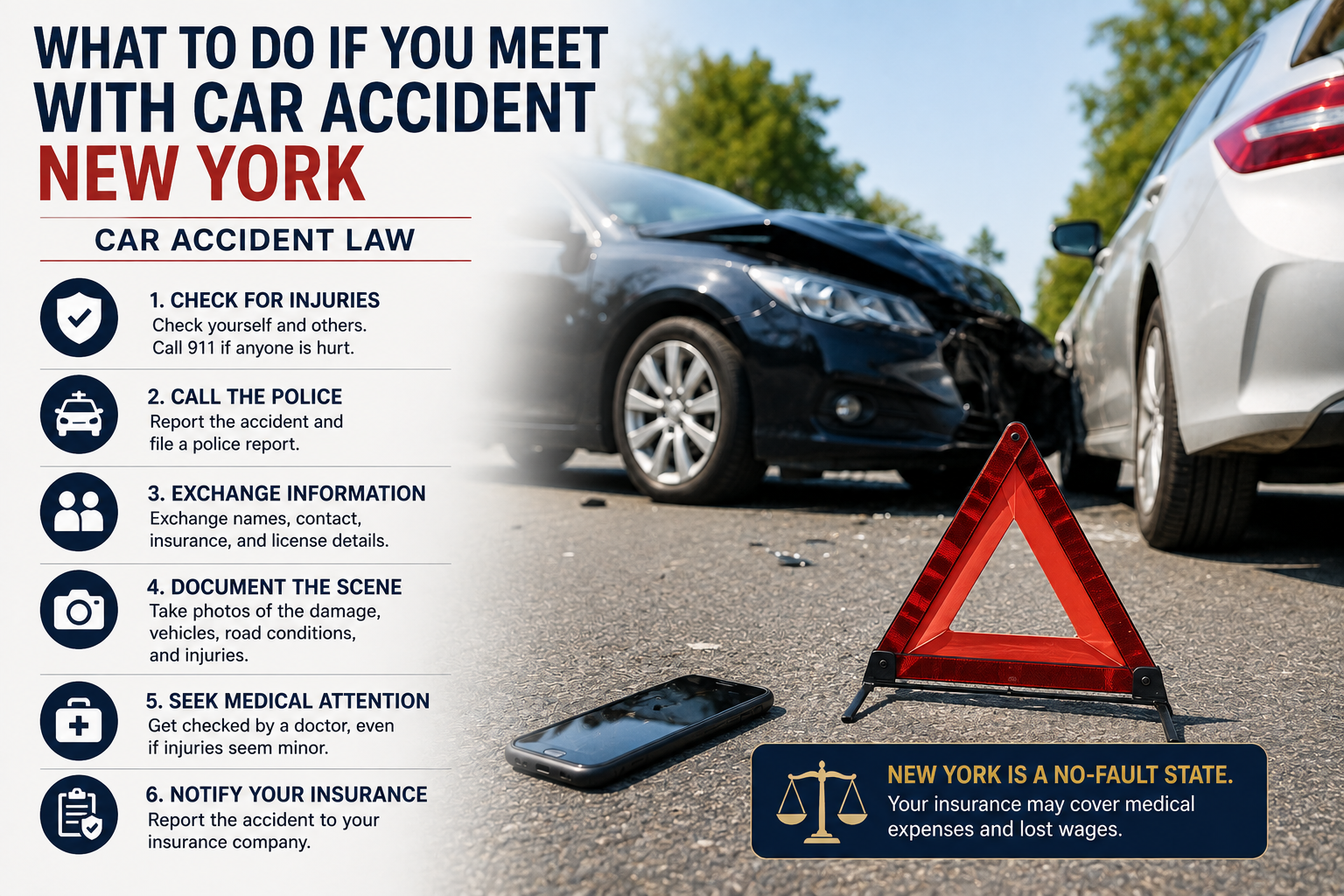
Take a moment to check yourself and everyone else involved for injuries. If anyone appears seriously hurt, call 911 immediately. Even if injuries don’t seem severe, it’s better to let emergency responders evaluate the situation.
Some injuries, such as whiplash or internal trauma, may not show symptoms right away.
Move to a Safe Location If Possible
If the accident is minor and the vehicles can be moved safely, pull over to the side of the road to avoid blocking traffic or causing another collision.
If moving the vehicle isn’t safe, turn on your hazard lights and remain in a secure location until help arrives.
Call the Police
In many situations, contacting law enforcement is one of the most important steps you can take.
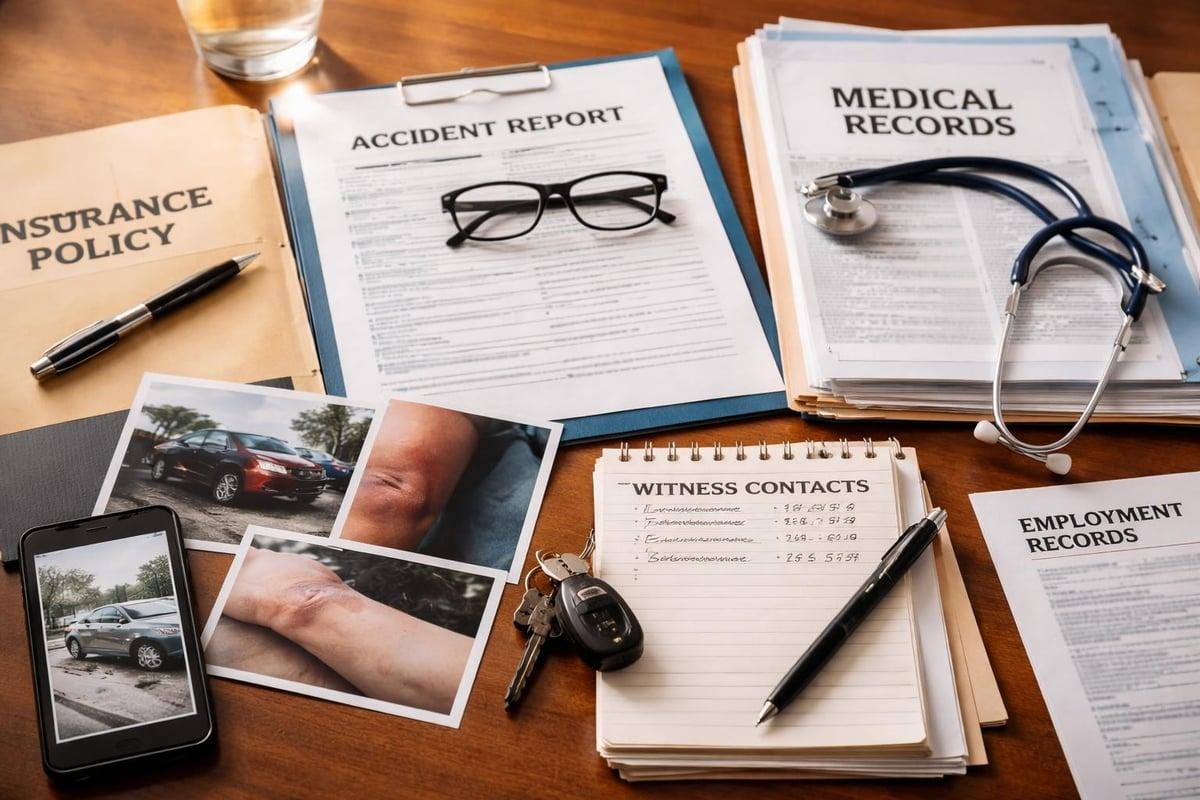
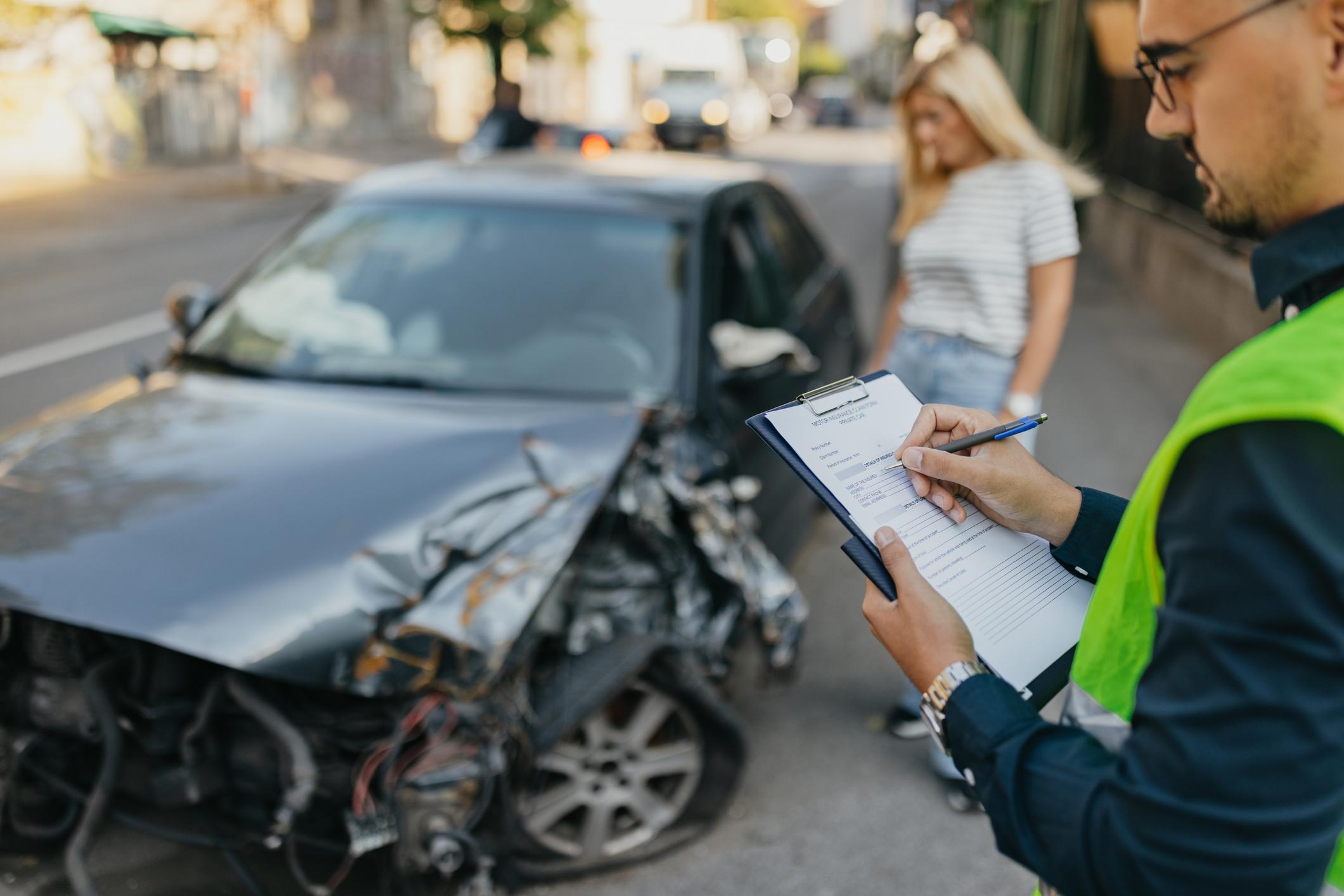
A police officer will prepare an accident report that documents what happened, identifies the drivers involved, and records important details that may later help with insurance claims or legal proceedings.
Even if the accident seems minor, having an official report can make resolving disputes much easier.
Exchange Information
Stay calm and exchange basic information with the other driver.
Be sure to collect:
- Full name
- Phone number
- Driver’s license information
- Insurance company
- Insurance policy number
- Vehicle registration details
Avoid discussing who caused the accident. Simply exchange information and allow the investigation to determine fault.
Take Photos of the Scene
Your phone can become one of the most valuable tools after an accident.
Take clear photographs of:
- Vehicle damage
- License plates
- Road conditions
- Traffic signs or signals
- Skid marks
- Weather conditions
- Any visible injuries
If there are witnesses nearby, politely ask for their contact information as well.
Seek Medical Attention
Many people think they’re fine immediately after an accident, only to wake up the next day with significant pain.
Getting medical treatment promptly not only protects your health but also creates important documentation if you later need to file an insurance claim or personal injury case.
Don’t ignore symptoms simply because they seem minor at first.
Notify Your Insurance Company
New York follows a no-fault insurance system for many car accidents.
That means your own insurance company is generally responsible for paying certain medical expenses and lost wages regardless of who caused the accident.
Report the accident as soon as reasonably possible and provide accurate information.
Understand New York’s No-Fault Law
Many drivers are surprised to learn that New York’s insurance system works differently than in many other states.
Under no-fault insurance, Personal Injury Protection (PIP) benefits may cover:
- Medical expenses
- Rehabilitation costs
- A portion of lost wages
- Certain accident-related expenses
However, if your injuries qualify as “serious” under New York law, you may also have the right to pursue additional compensation from the at-fault driver.
Avoid Common Mistakes
After an accident, small mistakes can create bigger problems later.
Try to avoid:
- Leaving the accident scene
- Admitting fault before the investigation is complete
- Skipping medical treatment
- Giving recorded statements without understanding your rights
- Posting details or photos of the accident on social media
- Accepting a quick settlement without reviewing your options
Taking your time and gathering the facts can help protect your interests.
When Should You Contact a Lawyer?
Not every accident requires legal action.
However, speaking with a lawyer may be a good idea if:
- You suffered serious injuries.
- Liability is disputed.
- Multiple vehicles were involved.
- The insurance company denied or delayed your claim.
- Medical bills continue to increase.
- A loved one was seriously injured or died in the accident.
Many personal injury attorneys offer free consultations, allowing you to understand your options before making any decisions.
Do’s and Don’ts After a Car Accident
Do:
- Check for injuries.
- Call 911 if needed.
- Contact the police.
- Exchange information.
- Take photographs.
- Seek medical care promptly.
- Report the accident to your insurance company.
- Keep copies of all records and receipts.
Don’t:
- Leave the scene without reporting the accident.
- Admit fault at the scene.
- Delay medical treatment.
- Throw away repair estimates or medical bills.
- Sign settlement documents without understanding them.
- Ignore legal deadlines if you plan to pursue a claim.
Frequently Asked Questions (FAQs)
What should I do immediately after a car accident in New York?
Check for injuries, call 911 if necessary, move to a safe location if possible, contact the police, exchange information, document the scene, and seek medical attention.
Is New York a no-fault insurance state?
Yes. In most cases, your own insurance policy provides Personal Injury Protection (PIP) benefits for medical expenses and certain other losses, regardless of who caused the accident.
Should I always call the police after a car accident?
It’s generally a good idea to report the accident, especially if someone is injured, there is significant property damage, or fault may later become an issue.
When should I contact a car accident lawyer?
You should consider speaking with an attorney if you’ve suffered serious injuries, liability is disputed, the insurance company refuses to pay, or your accident involves significant financial losses.
Final Thoughts
Being involved in a car accident is stressful, but knowing what to do next can make a difficult situation more manageable. Taking the right steps—checking for injuries, documenting the accident, seeking medical care, and understanding New York’s no-fault insurance laws—can help protect both your health and your legal rights.
Every accident is different, and the decisions you make in the hours and days afterward can have a lasting impact. Staying calm, gathering information, and understanding your options will put you in a stronger position as you move forward.