Car Accident Law in New York: Everything You Need to Know
A car accident can change your day in an instant. One moment you’re driving to work, picking up groceries, or heading home, and the next you’re dealing with vehicle damage, insurance calls, medical appointments, and a lot of unanswered questions.
One of the biggest questions people have after a crash is, “What are my legal rights?” Understanding New York car accident law can help you make informed decisions if you’re ever involved in an accident. While every case is different, knowing the basics can make the process feel a little less overwhelming.
Understanding New York Car Accident Law
New York follows a no-fault insurance system for most car accidents.
This means that after many accidents, your own auto insurance policy generally pays for certain medical expenses and lost wages, regardless of who caused the crash.
The purpose of the no-fault system is to help injured people receive benefits more quickly without immediately having to file a lawsuit against another driver.
However, not every accident ends there. In more serious cases, injured victims may also have the right to pursue compensation from the at-fault driver.
What Is No-Fault Insurance?
Many drivers hear the term “no-fault insurance” but aren’t entirely sure what it means.
In New York, Personal Injury Protection (PIP) coverage helps pay for expenses such as:
- Medical treatment
- Hospital bills
- Rehabilitation expenses
- A portion of lost wages
- Certain out-of-pocket costs related to the accident
These benefits are generally available regardless of who caused the collision, provided the claim meets the legal requirements.
When Can You Sue the Other Driver?
Although New York is a no-fault state, there are situations where an injured person may file a lawsuit against the driver who caused the accident.
Generally, this happens when someone suffers what New York law defines as a serious injury.
Examples may include:
- Significant fractures
- Permanent loss of body function
- Serious disfigurement
- Permanent disability
- Other qualifying injuries recognized under New York law
If the legal threshold is met, the injured person may seek additional compensation beyond no-fault insurance benefits.
What Compensation May Be Available?
Depending on the circumstances, a successful claim may include compensation for:
- Medical expenses
- Future medical treatment
- Lost income
- Reduced earning capacity
- Property damage
- Pain and suffering
- Emotional distress
- Rehabilitation costs
The amount varies from case to case based on the injuries, insurance coverage, and available evidence.
Who Can Be Held Responsible?
Many people assume only another driver can be liable after a car accident.
In reality, responsibility may fall on several different parties depending on what happened.
Potentially responsible parties may include:
- Another driver
- A commercial trucking company
- A rideshare company or driver
- A vehicle manufacturer
- A government agency responsible for dangerous road conditions
- A business that failed to properly maintain a company vehicle
Determining liability often requires a careful investigation of the accident.
What Should You Do After a Car Accident?
The moments after a collision can be stressful, but taking the right steps may help protect both your health and your legal rights.
If possible:
- Check for injuries and call 911.
- Move to a safe location if the vehicles can be moved safely.
- Exchange insurance and contact information.
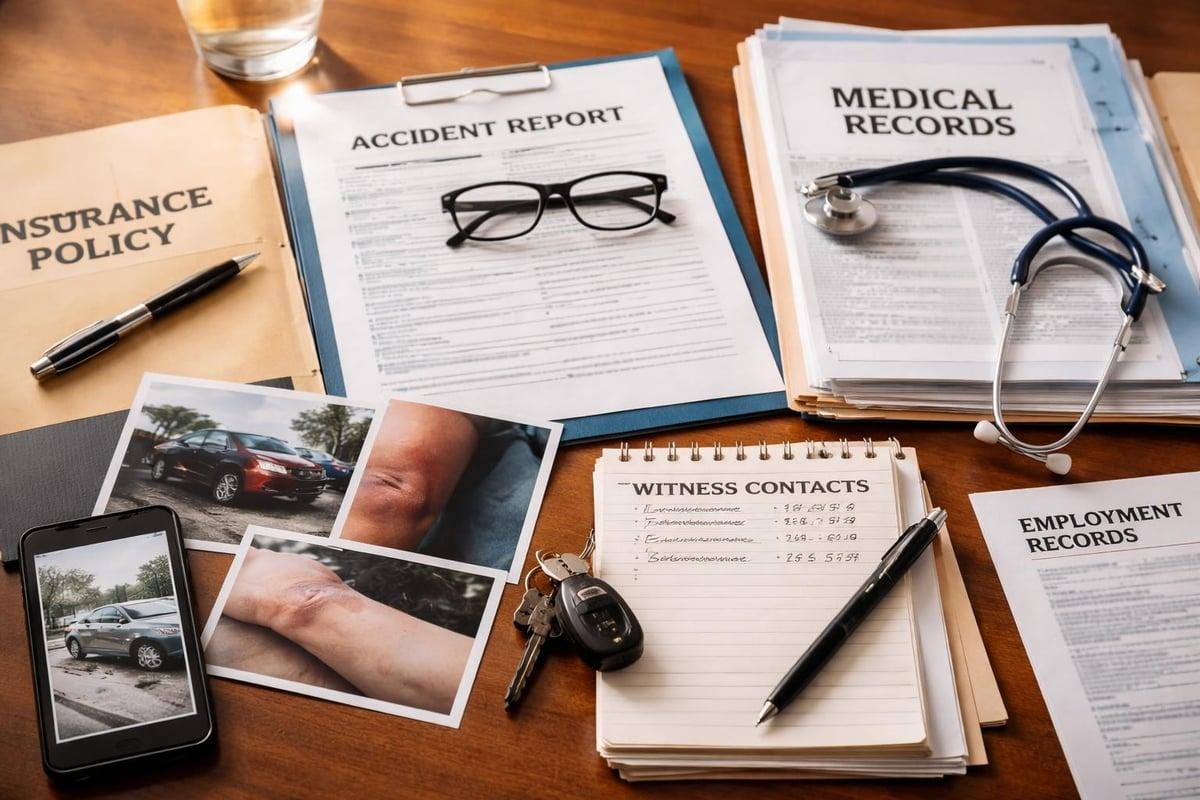
- Take photographs of the accident scene, vehicle damage, road conditions, and injuries.
- Collect witness information.
- Seek medical attention as soon as possible.
- Notify your insurance company.
Even if you feel fine immediately after the accident, some injuries may not become noticeable until hours or days later.
Comparative Negligence in New York
New York follows a pure comparative negligence rule.
This means that even if you were partially responsible for the accident, you may still recover compensation.
For example, if you are found partially at fault, any financial recovery may simply be reduced by your percentage of responsibility rather than eliminated altogether.
Because fault can significantly affect a claim, it’s important not to assume responsibility before all the facts are known.
How Long Do You Have to File a Claim?
Like every state, New York has legal deadlines for filing car accident lawsuits.
Waiting too long could result in losing the right to pursue compensation altogether.
Certain cases—particularly those involving government vehicles or public agencies—may have much shorter notice requirements, making early legal advice especially important.
When Should You Contact a Lawyer?
Not every accident requires hiring an attorney.
However, legal guidance may be helpful if:
- You suffered serious injuries.
- Liability is disputed.
- The insurance company denies your claim.
- Multiple vehicles were involved.
- Medical expenses continue to increase.
- A loved one was seriously injured or killed.
Many personal injury attorneys offer free consultations, allowing accident victims to better understand their legal options before deciding how to proceed.
Do’s and Don’ts After a Car Accident
Do:
- Report the accident to the police.
- Seek medical treatment promptly.
- Keep copies of medical records and repair estimates.
- Take photographs of the accident scene.
- Cooperate with your insurance company.
- Consult an attorney if serious injuries are involved.
Don’t:
- Leave the accident scene.
- Admit fault without knowing all the facts.
- Delay medical treatment.
- Accept the first settlement offer without understanding your rights.
- Ignore legal deadlines.
- Post details about the accident on social media before your claim is resolved.
Frequently Asked Questions (FAQs)
Is New York a no-fault state?
Yes. New York uses a no-fault insurance system, meaning your own insurance generally pays for certain medical expenses and lost wages after many accidents, regardless of who caused the crash.
Can I sue the other driver after a car accident?
Yes. If your injuries meet New York’s legal definition of a serious injury, you may be able to file a lawsuit against the at-fault driver for additional damages.
What should I do immediately after a car accident?
Call 911 if necessary, seek medical attention, exchange information with the other driver, document the accident scene, and notify your insurance company as soon as possible.
How long do I have to file a car accident lawsuit in New York?
New York law sets deadlines for filing personal injury claims, and those deadlines can vary depending on the circumstances. Consulting an attorney early can help ensure important time limits are not missed.
Final Thoughts
Car accidents are stressful enough without trying to understand complicated legal rules at the same time. New York’s no-fault insurance system is designed to help injured drivers and passengers receive certain benefits quickly, but more serious accidents often involve additional legal rights and responsibilities.
Whether your accident involves minor injuries or significant losses, knowing how New York car accident law works can help you make informed decisions. Seeking medical care, preserving evidence, and understanding your legal options early can make a meaningful difference as you move forward.