Wrongful Death in NYC: Laws, Rights and Legal Options
Losing someone because of another person’s negligence is difficult enough without having to immediately understand complicated legal rules. Yet after a fatal car crash, medical error, workplace incident, or another preventable event, families in New York City may have questions about whether they can take legal action. Understanding Wrongful Death in NYC: Laws, Rights and Legal Options can help families recognize what a claim may involve and what steps should be considered.
A wrongful death case is not simply a personal injury case where the victim has passed away. New York law has specific rules about who can bring the claim, what losses may be recovered, and how much time a family has to act.
What Is Considered Wrongful Death in New York?
Under New York law, a wrongful-death claim generally arises when a person’s death is caused by another party’s wrongful act, neglect, or default and the circumstances would have allowed the person to bring a personal injury action had they survived.
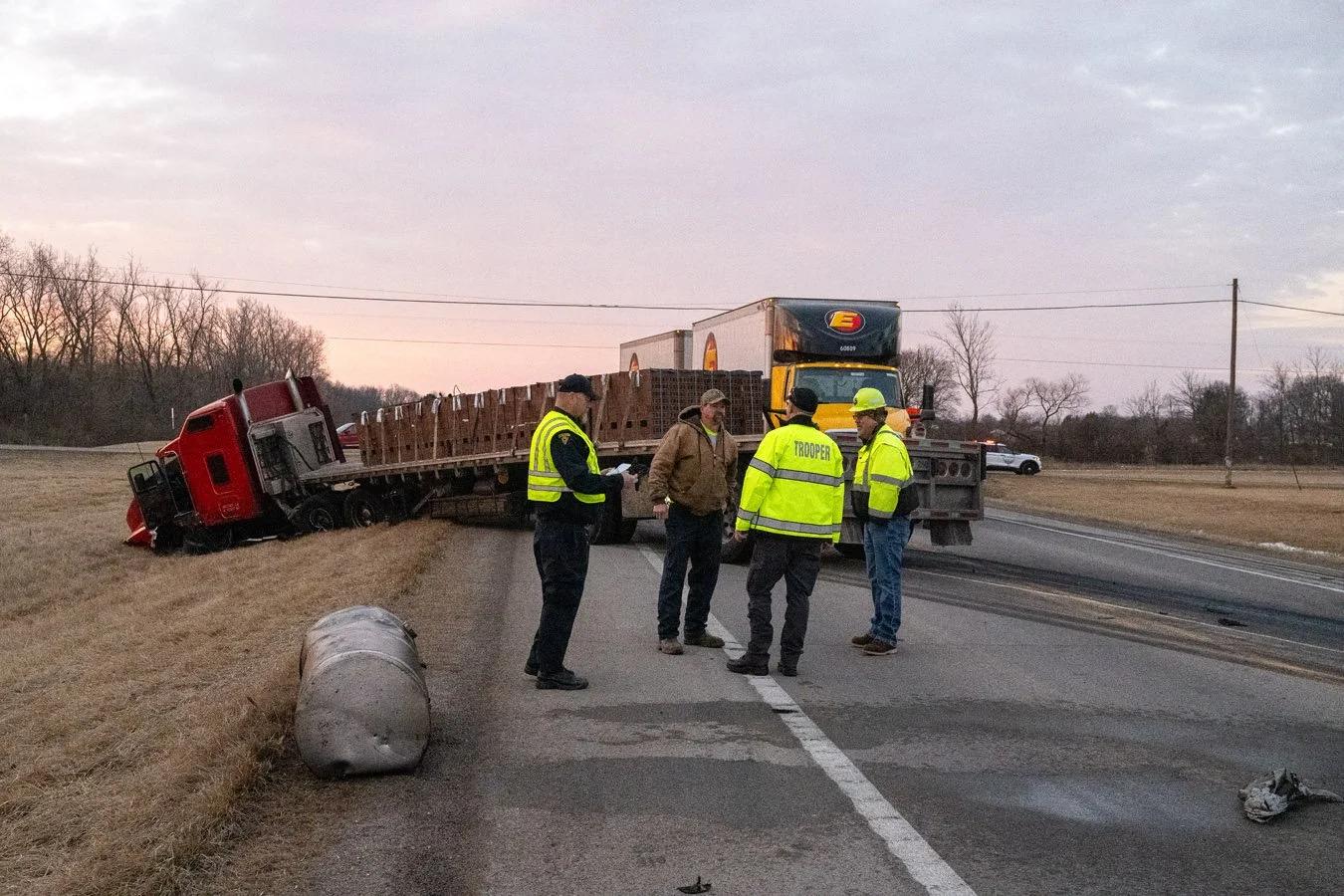
These situations can take many forms. A fatal traffic accident might involve a negligent driver. A family may also be dealing with a possible wrongful-death claim following medical malpractice, unsafe property conditions, a construction accident, or another act of negligence.
The specific facts matter. Simply because someone died after an accident does not automatically mean another person or business is legally responsible.
Who Can Bring a Wrongful Death Claim?
New York wrongful-death actions are brought by the personal representative of the deceased person’s estate. The people who may ultimately benefit from the recovery are generally the deceased person’s distributees who suffered legally recognized financial losses.
This distinction can be confusing for families. The person filing the lawsuit and the people who may receive compensation are not necessarily the same individual.
For example, an estate representative may bring the action while surviving family members may have claims based on financial support or other qualifying losses.
What Damages Can a Family Recover?
One of the most important parts of a wrongful-death case is determining what losses can legally be compensated.
New York wrongful-death damages generally focus on pecuniary, or financial, injuries resulting from the death. Depending on the circumstances, recoverable losses may include the value of financial support the deceased would have provided, the value of certain services or assistance, and medical and funeral expenses connected with the death. Recent New York appellate decisions continue to describe wrongful-death damages in terms of pecuniary losses.
The calculation can become complicated when the deceased was a parent, spouse, or primary household provider. Income, age, expected working years, household contributions, and the needs of surviving family members may all become relevant.
Wrongful Death vs. Conscious Pain and Suffering
These two claims are often confused.
A wrongful-death claim concerns the financial losses resulting from the person’s death and is brought for the benefit of eligible distributees. A separate survival claim may seek damages for the deceased person’s conscious pain and suffering before death, with that recovery belonging to the estate.
New York courts have repeatedly recognized that these are different causes of action with different legal theories and beneficiaries.
That distinction can make a major difference when an accident victim survived for some period of time before passing away.
How Long Do You Have to File?
For a standard New York wrongful-death claim, the statute of limitations is generally two years from the date of death under EPTL 5-4.1. New York Courts lists wrongful death with this two-year limitation period.
However, families should not assume that every case follows exactly the same deadline.
Claims involving New York City, public authorities, hospitals, municipalities, or other special defendants may involve additional notice requirements or different limitation rules. For example, certain claims against municipalities can involve a notice-of-claim requirement and a shorter overall limitations period.
Because missing a deadline can seriously affect a family’s ability to pursue compensation, it is worth speaking with an attorney as soon as possible.
What Evidence Can Matter?
Wrongful-death cases often depend on evidence that can become harder to obtain as time passes.
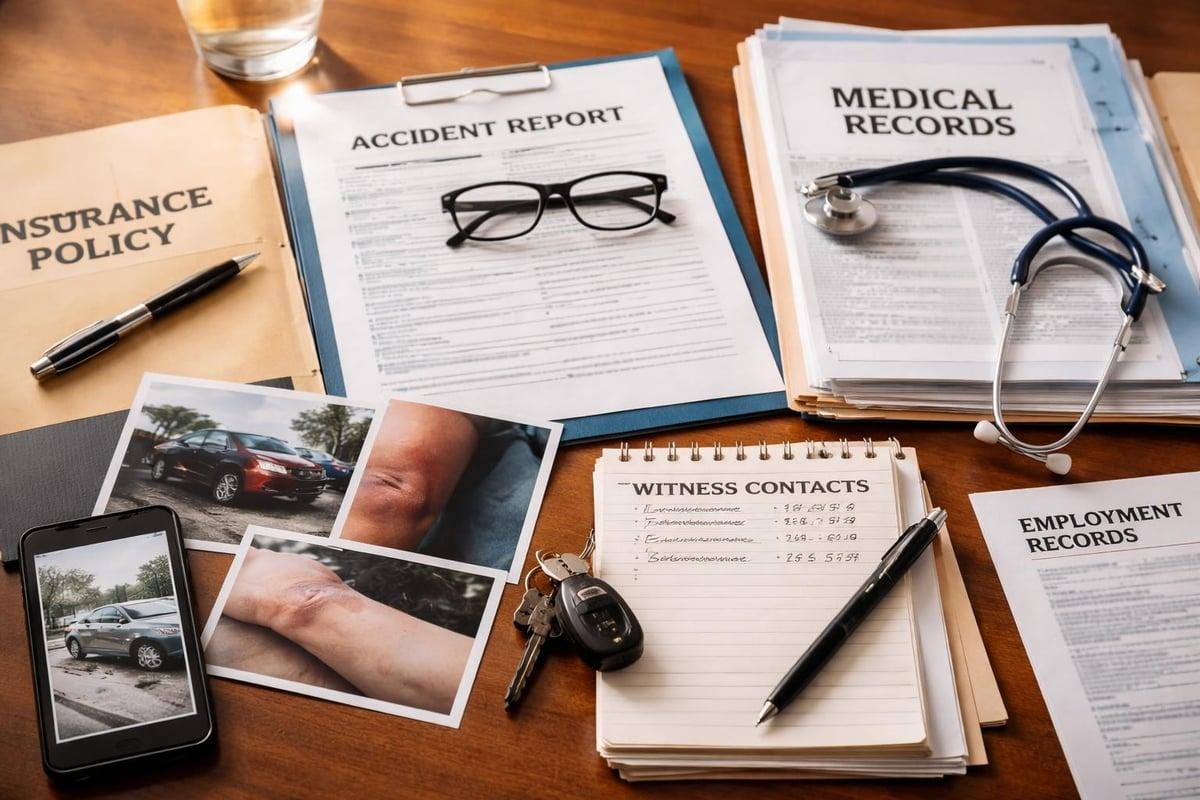
Depending on the circumstances, useful evidence could include accident reports, photographs, surveillance footage, medical records, employment and income information, witness statements, electronic communications, vehicle data, or records showing the condition of a property.
In a medical malpractice case, medical records and expert review may become especially important. In a traffic accident, photographs, crash reports, witness accounts, and available vehicle or roadway evidence may help establish what happened.
Families should also preserve documents rather than deleting messages, photographs, emails, or other information connected to the incident.
What If the Death Was Caused by Medical Malpractice?
A death following medical treatment does not automatically establish medical malpractice. The family generally needs to establish that the healthcare provider departed from the applicable standard of care and that the departure caused the death.
Medical records, expert opinions, treatment history, and the timing of symptoms and treatment may all become important.
New York courts continue to handle wrongful-death claims arising from alleged medical malpractice, including disputes over whether evidence is sufficient to establish liability and damages.
Should You Speak With a Wrongful Death Lawyer?
A lawyer can review the circumstances, identify potentially responsible parties, determine which claims may be available, and calculate the deadlines that apply.
This can be particularly important when several parties may share responsibility. A fatal construction accident, for instance, could involve an employer, contractor, property owner, equipment manufacturer, or another party depending on the facts.
A lawyer may also help the estate representative understand the difference between wrongful-death damages and claims that belong to the estate itself.
4 FAQs About Wrongful Death in NYC
1. How long does a family have to file a wrongful death lawsuit in New York?
A standard wrongful-death claim generally must be commenced within two years of the person’s death. Certain defendants and circumstances can involve different deadlines or additional notice requirements.
2. Who receives compensation from a wrongful death case?
The lawsuit is brought by the personal representative of the deceased person’s estate, while eligible distributees who suffered qualifying financial losses may benefit from a wrongful-death recovery.
3. Can a family recover damages for the deceased person’s pain and suffering?
Potentially, but conscious pain and suffering before death is generally treated as a separate survival claim rather than ordinary wrongful-death damages. The distinction can affect who brings the claim and who receives the recovery.
4. Should I hire a lawyer after a wrongful death?
It can be especially helpful to speak with an attorney quickly because wrongful-death cases can involve strict deadlines, estate administration issues, multiple potentially responsible parties, and complicated damages calculations.
Final Thoughts
There is no legal process that can undo the loss of a family member. A wrongful-death claim is instead a way for eligible family members and the estate to seek accountability and financial compensation when another party may have caused the death.
If your family is considering legal action in New York City, do not wait until a filing deadline is approaching. The facts, responsible parties, available evidence, and applicable deadlines should be reviewed early so that the estate and surviving family members understand their legal options.