Slip and Fall in Buffalo: Laws, Rights and Legal Options
A slip and fall can happen in a few seconds, but the effects can last much longer. A wet supermarket floor, an icy sidewalk, a broken step, or an uneven surface can turn an ordinary trip to a store or walk through a Buffalo neighborhood into an injury that affects work, mobility, and everyday life. If you were hurt, understanding the laws surrounding a slip and fall in Buffalo can help you understand what information may matter when deciding what to do next.
New York treats many slip-and-fall cases as premises liability claims. That generally means the condition of the property and the responsibility of the owner or other party in control of the premises become important parts of the case.
When Can a Property Owner Be Responsible?
Property owners and other parties responsible for maintaining premises may have a duty to keep the property reasonably safe for people who are lawfully there. But simply falling on someone else’s property does not automatically establish liability.
One important issue is the dangerous condition itself.
For example, someone could fall because of:
- Ice or snow
- Water or another slippery substance
- Broken or uneven pavement
- Damaged stairs
- Missing or loose handrails
- Poorly maintained floors
- Potholes or depressions
- Inadequate lighting
- Debris or objects left in walkways
The circumstances surrounding the condition matter. A lawyer may want to know exactly where the accident happened, how long the condition may have existed, and who was responsible for maintaining that area.
Why Notice Matters in a Slip-and-Fall Case
One of the biggest issues in many premises-liability cases is notice.
Generally, an injured person may need to establish that the property owner or responsible party had actual notice of the dangerous condition or that the condition existed long enough that the responsible party should have discovered and corrected it.
A recent 2026 Fourth Department decision involving a Buffalo Municipal Housing Authority property illustrates why notice can become a major issue in premises cases. The court discussed actual and constructive notice of an alleged icy condition and ultimately found the evidence insufficient to establish the required notice in that particular case.
That does not mean every slip-and-fall case requires the same evidence. The facts can be very different from one accident to another.
What Should You Do After a Slip and Fall?
If you are physically able to do so, start documenting what happened as soon as possible.
Take photographs or videos of the area where you fell. Try to capture the dangerous condition itself rather than only taking a picture of the surrounding property. If there were witnesses, obtain their contact information if possible.
You should also report the accident to the property owner, store manager, building management, or another appropriate person. Ask whether an incident report was created and keep a copy if one is provided.
Medical attention is also important. Some injuries, particularly back, neck, knee, and head injuries, may not feel serious immediately. Medical records can also document the connection between the accident and your injuries.
What Evidence Can Help?
Evidence can become difficult to find as time passes. A puddle can be cleaned, snow can melt, a damaged step can be repaired, and surveillance footage may not be preserved indefinitely.
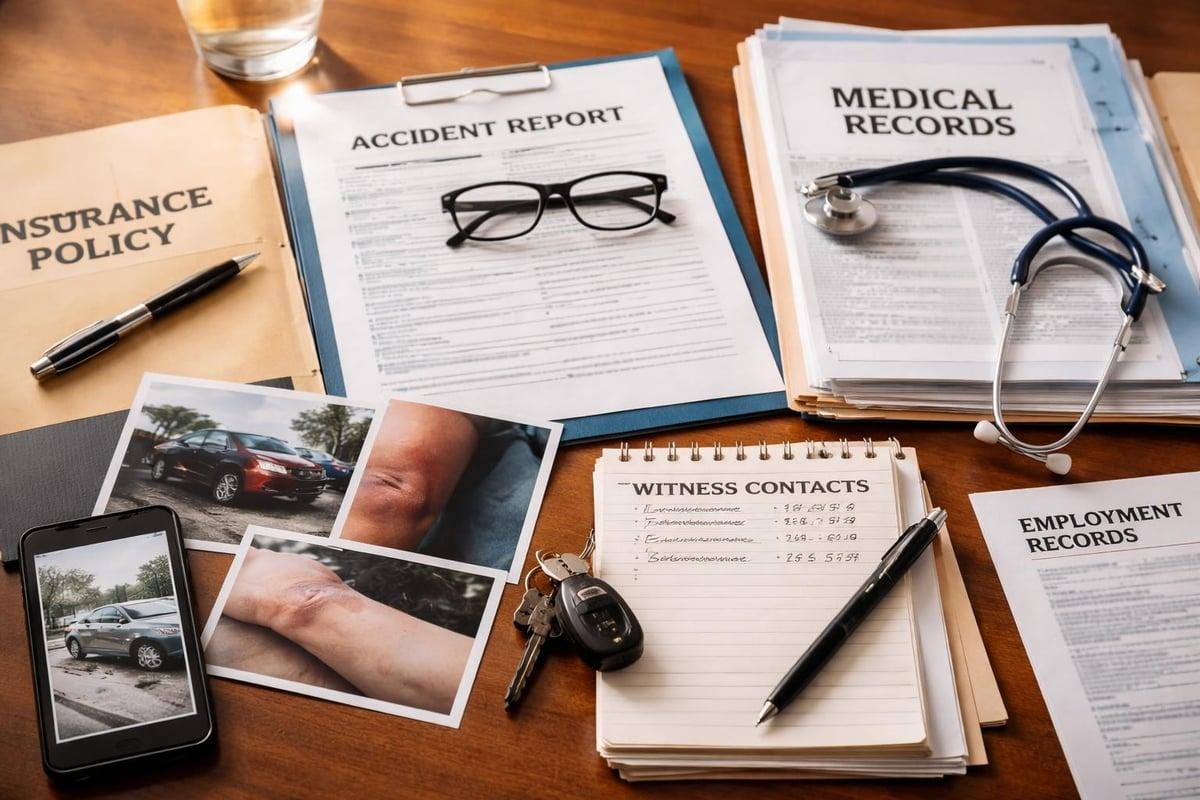
Depending on the circumstances, useful evidence may include:
- Photographs of the accident location
- Video surveillance
- Incident reports
- Witness statements
- Medical records
- Photographs of visible injuries
- Maintenance or inspection records
- Cleaning records
- Weather information in an outdoor accident
- Communications with the property owner or insurer
Your attorney may also investigate who owned, occupied, managed, or maintained the property.
What If You Were Partly at Fault?
Being partly responsible for an accident does not automatically prevent recovery in New York.
Under CPLR 1411, a claimant’s culpable conduct generally does not completely bar recovery in a personal-injury action. Instead, damages are generally reduced in proportion to the claimant’s share of culpable conduct.
For example, if a jury determined that an injured person was partly responsible for an accident, the amount ultimately recoverable could be reduced according to the percentage of fault assigned under the applicable law.
The details matter, particularly because different types of claims can have different rules.
How Long Do You Have to File a Slip-and-Fall Claim in New York?
For an ordinary slip-and-fall personal-injury claim, New York Courts lists a three-year statute of limitations from the date of the accident under CPLR 214(5).
That does not mean waiting three years is a good idea.
There can be special rules when the potential defendant is a government entity. New York Courts explains that claims against a city, town, village, or county agency can involve a 90-day Notice of Claim requirement, with additional time limits applying to the lawsuit itself.
Claims involving the State of New York can also have separate notice requirements. For example, New York Court of Claims Act §10 generally imposes a 90-day requirement for certain personal-injury claims against the State.
Because these deadlines can depend on who is legally responsible for the property, it is important to identify the correct party early.
When Should You Speak With a Buffalo Personal Injury Lawyer?
You may want to speak with an attorney if your injuries are serious, the property owner or insurance company disputes responsibility, you are unable to work, or there is disagreement about what caused the accident.
A lawyer can review the circumstances, identify potentially responsible parties, look at the available evidence, and explain the legal options that may apply.
It can also be useful to speak with an attorney before making detailed statements to an insurance company or signing a settlement agreement. Once you accept a settlement, your ability to pursue additional compensation may be limited depending on the agreement and circumstances.
What Compensation Could Be Available?
The damages available in a personal-injury claim depend on the facts and evidence. Depending on the circumstances, a claim may involve damages associated with medical treatment, lost income, pain and suffering, and other losses caused by the injury.
There is no single amount that applies to every Buffalo slip-and-fall accident. The seriousness of the injury, treatment required, impact on employment and daily activities, and evidence concerning liability can all affect the value of a claim.
4 FAQs About Slip and Fall in Buffalo
1. Can I sue if I slipped and fell in a Buffalo store?
Possibly. The circumstances of the accident matter, including what caused the fall, whether the condition was dangerous, who controlled the property, and whether the responsible party had actual or constructive notice of the condition.
2. What should I photograph after a slip and fall?
Photograph the exact area where you fell, the condition that allegedly caused the accident, nearby warning signs, lighting, stairs, flooring, snow or ice, and anything else that helps show the condition of the property.
3. How long do I have to file a Buffalo slip-and-fall lawsuit?
New York Courts generally lists three years for a slip-and-fall personal-injury claim. However, claims involving government entities can have significantly shorter notice requirements, so identifying the responsible party is important.
4. What ifSet featured image the property owner says I caused my own fall?
That does not necessarily end the case. New York’s comparative-fault rule generally allows recovery to be reduced according to the claimant’s share of culpable conduct rather than automatically barring the claim.
Final Thoughts
A slip and fall in Buffalo can look straightforward at first, but proving responsibility often comes down to details. Where did the accident happen? What exactly caused the fall? Who was responsible for the area? Was the condition reported before the accident? How long had it been there? What evidence still exists?
Taking photographs, reporting the accident, getting appropriate medical attention, keeping records, and understanding the applicable deadlines can help preserve important information. If the injury is significant or responsibility is disputed, a Buffalo personal injury attorney can explain how New York law applies to the specific circumstances of the accident.