Wrongful Death in Buffalo: Laws, Rights and Legal Options
Losing someone you love because of another person’s negligence or wrongful conduct is difficult enough without having to figure out what the law allows you to do. Families in Buffalo may have legal options when a death was caused by a car crash, workplace incident, medical negligence, dangerous property, defective product, or another wrongful act. Understanding Wrongful Death in Buffalo: Laws, Rights and Legal Options can help families know what steps may matter after such a loss.
New York has specific rules governing wrongful-death claims, including who can bring the case, what damages may be available, and how long a family has to take legal action.
What Is Wrongful Death Under New York Law?
A wrongful-death claim generally arises when a person dies because of a wrongful act, neglect, or default that would have given the deceased person a valid legal claim had they survived.
Under New York Estates, Powers and Trusts Law § 5-4.1, the wrongful-death action is brought by the personal representative of the deceased person. The statute also requires the decedent to have surviving distributees who may benefit from the claim.
For a Buffalo family, that could involve situations such as:
- A fatal motor vehicle accident
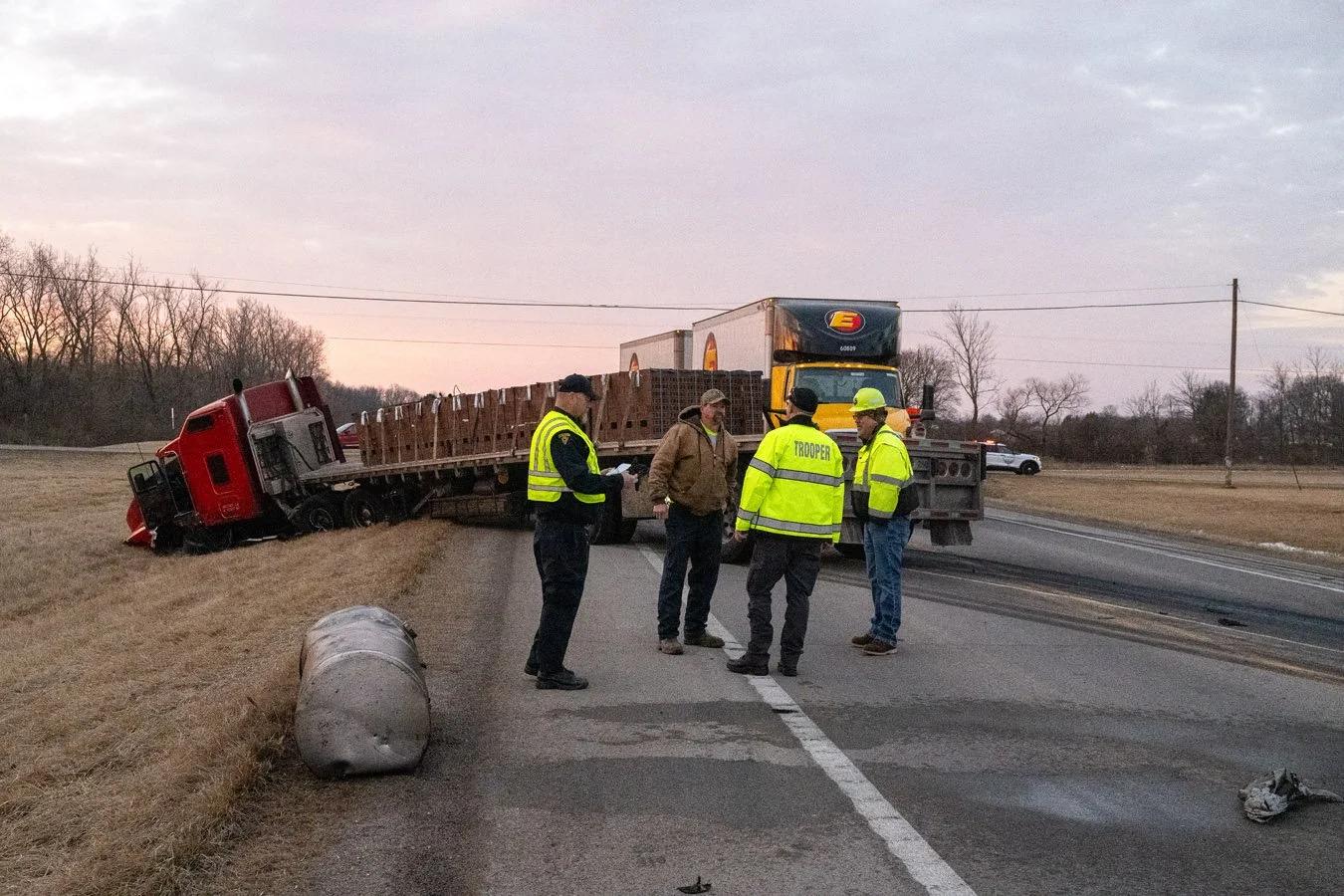
- A truck or motorcycle crash
- Medical malpractice
- A construction accident
- A dangerous property condition
- A defective product
- Certain workplace-related deaths
- Other acts of negligence or wrongful conduct
The specific facts matter because different claims can involve different deadlines and legal requirements.
Who Can File a Wrongful Death Claim?
One important point is that a family member does not simply file a wrongful-death lawsuit in their own individual capacity.
New York law generally requires the personal representative of the decedent’s estate to bring the wrongful-death action on behalf of the people legally entitled to benefit from it. A recent New York court decision again emphasized that a wrongful-death claim must be maintained by the decedent’s personal representative rather than by a distributee individually.
The money recovered in a wrongful-death action is distributed according to New York law among the people entitled to receive it.
This makes the estate and probate side of the case important, even when the underlying incident happened in Buffalo.
What Damages May Be Available?
Wrongful-death damages in New York are not simply a payment for the emotional pain of losing someone.
Under the current version of EPTL § 5-4.3, damages may include fair and just compensation for pecuniary injuries resulting from the person’s death. Reasonable medical, nursing, and funeral expenses can also be recoverable when they meet the statutory requirements.
Pecuniary losses can involve things such as:
- Lost earnings
- Lost financial support
- Loss of services
- Loss of parental guidance
- Certain potential inheritance losses
New York courts have described these categories when evaluating wrongful-death damages.
It is important not to assume that every family member automatically receives compensation for every type of loss. The available damages depend on the circumstances and the evidence supporting the claimed financial loss.
Wrongful Death and a Survival Claim Are Different
Another issue families often encounter is the difference between a wrongful-death claim and a survival claim.
If the deceased person experienced injuries or conscious pain and suffering before death, the estate may have a separate claim for damages relating to injuries that occurred before death. New York law allows certain personal injury claims to survive the person’s death.
New York law also provides that when an injury causes death, the estate’s injury claim and the wrongful-death claim can be pursued together, with separate consideration of the different causes of action.
That distinction can become important when determining what losses belong to the estate and what losses are part of the wrongful-death claim.
How Long Does a Family Have to File?
Time matters.
Under the current New York wrongful-death statute, an action generally must be started within two years after the decedent’s death. New York Courts also list wrongful death as having a two-year limitation period.
There can be exceptions and special rules depending on the defendant, the circumstances of the death, prior lawsuits, governmental entities, or other facts. For example, the statute contains a specific provision concerning situations where a criminal action has been commenced against the same defendant.
There has also been legislation introduced in 2026 proposing changes to New York wrongful-death law, including extending the general filing period from two years to three years and changing recoverable damages. That bill was still listed as being in committee, so it should not be treated as the current law.
Because missing a legal deadline can seriously affect a claim, families should not wait until the end of the limitation period to seek advice.
What Should a Buffalo Family Do After a Wrongful Death?
The immediate priority is taking care of the family, but preserving information can become important later.
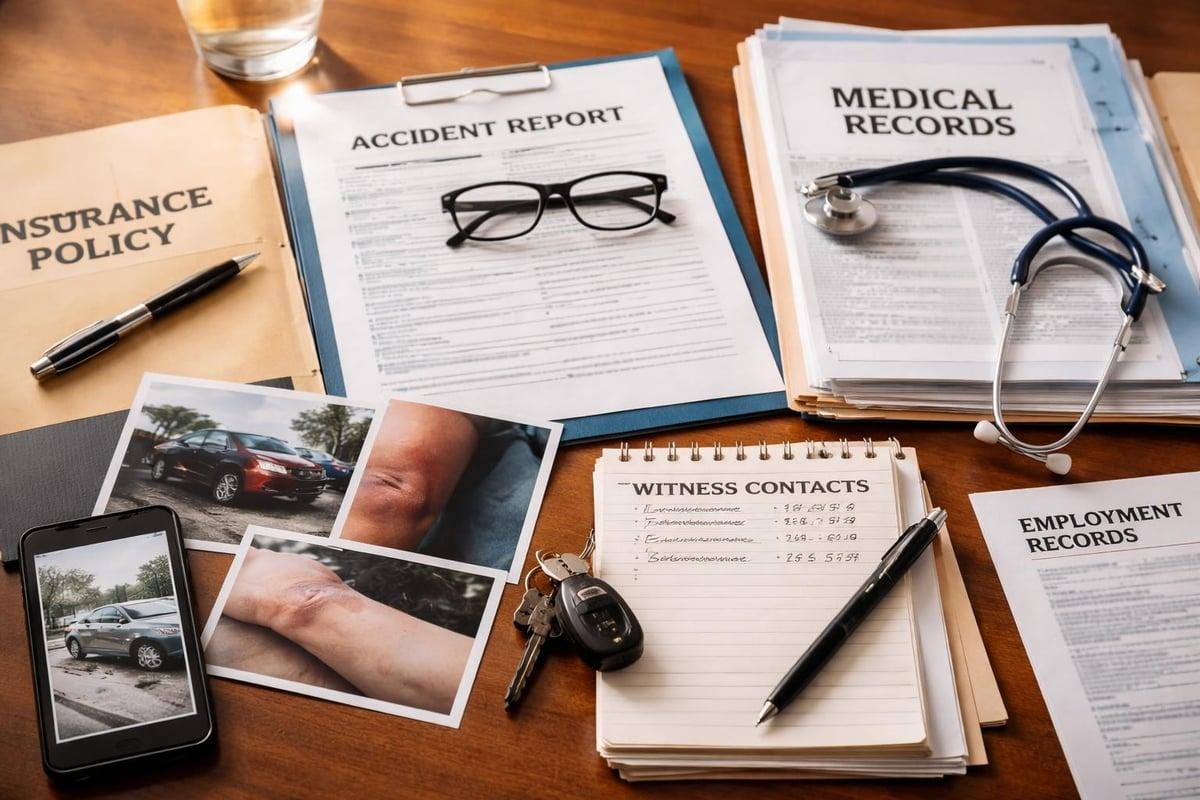
Depending on the circumstances, family members may want to keep copies of medical records, accident reports, photographs, insurance correspondence, employment information, bills, death records, and other documents connected to the death.
It can also help to avoid making detailed statements about fault or accepting a settlement before understanding the potential legal claims. Insurance companies and other parties may begin contacting the family quickly after a fatal accident.
An attorney can review the circumstances, identify potentially responsible parties, determine what claims may exist, and explain the applicable deadlines.
When Should You Speak With a Wrongful Death Lawyer?
There is no need to wait until the family has collected every document before talking to a lawyer.
A consultation can help answer basic questions such as:
- Who may be legally responsible?
- Who has authority to bring the claim?
- What damages may be available?
- What evidence should be preserved?
- Are there multiple insurance policies involved?
- Does the case involve an estate or probate issue?
- What deadline applies?
- Should a settlement offer be accepted or investigated further?
Wrongful-death cases can involve several different areas of law at the same time. A fatal crash, for example, may involve negligence, insurance coverage, estate issues, and potentially a separate survival claim.
4 FAQs About Wrongful Death in Buffalo
1. How long do I have to file a wrongful death lawsuit in Buffalo?
Under current New York law, a wrongful-death action generally must be commenced within two years of the person’s death. Certain circumstances can create different rules, so the specific facts should be reviewed promptly.
2. Who files a wrongful death lawsuit in New York?
The personal representative of the deceased person’s estate generally brings the wrongful-death action for the benefit of the people entitled to recover under New York law.
3. What compensation can a wrongful death claim provide?
Current New York law allows recovery for qualifying pecuniary injuries resulting from the death, along with certain reasonable medical, nursing, and funeral expenses.
4. Can a family bring a claim if the person suffered before dying?
Potentially. A survival claim can address damages connected to injuries suffered before death, while the wrongful-death claim addresses losses resulting from the death itself. New York law permits these claims to be pursued in the same action in appropriate circumstances.
Final Thoughts
A wrongful death changes a family’s life in ways that cannot be reduced to a lawsuit or a dollar amount. Still, when another person’s wrongful conduct may have caused the death, New York law provides a legal process for seeking compensation for certain losses.
For families in Buffalo, understanding who can bring the claim, what damages may be available, how the estate fits into the case, and—most importantly—what deadline applies can make the legal process less confusing. Because wrongful-death cases can involve complicated factual and procedural issues, getting legal advice early can help preserve important rights and evidence.