Truck Accident in Buffalo: Laws, Rights and Legal Options
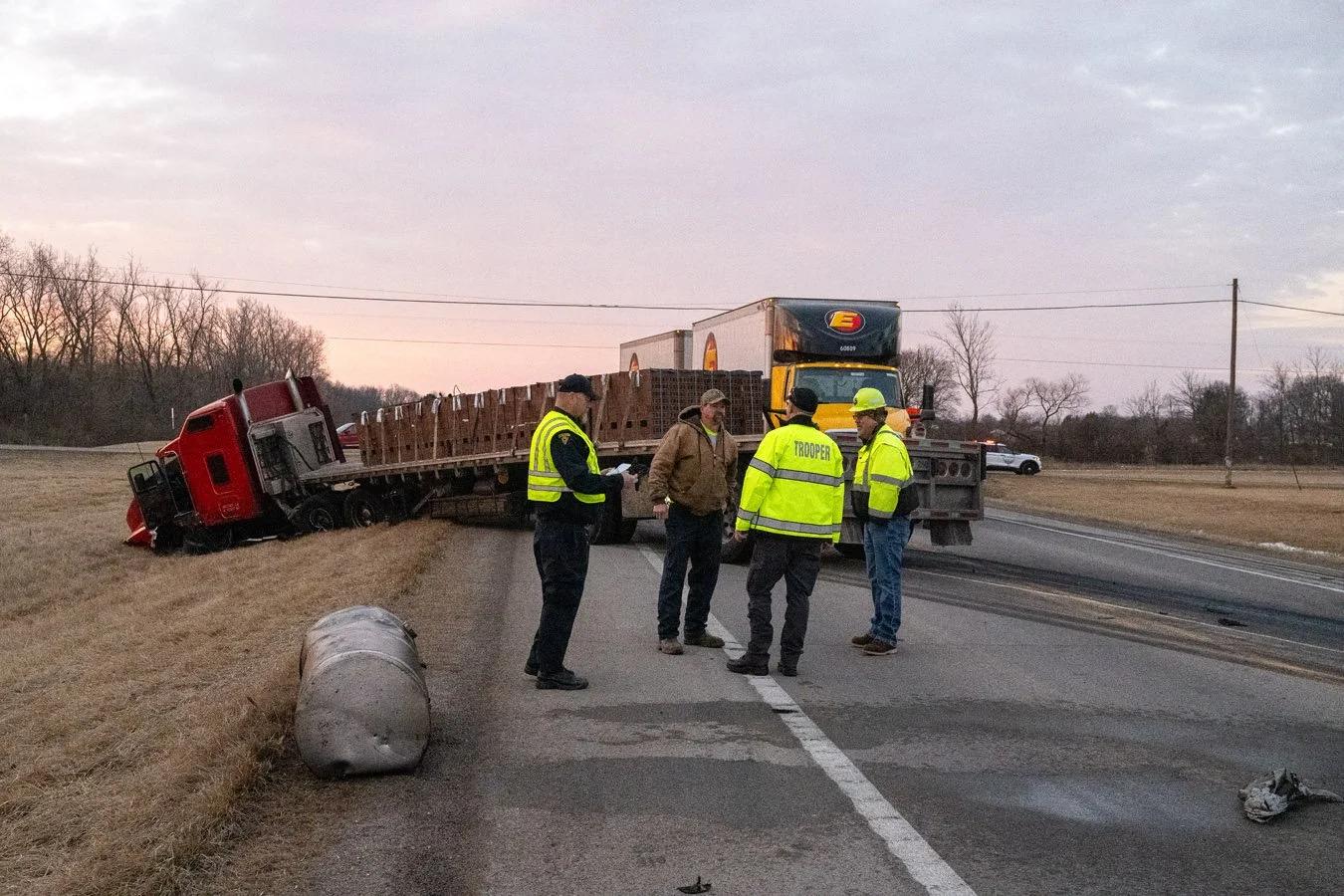
A crash involving a large truck can leave you dealing with much more than vehicle damage. A tractor-trailer, delivery truck, box truck, or other commercial vehicle can cause serious injuries, and figuring out who may be responsible is not always straightforward. If you have been involved in a truck accident in Buffalo, New York law, insurance rules, and federal trucking regulations may all become part of the picture.
Knowing what to do after the accident can help you protect important evidence and understand the legal options available to you.
Why Truck Accidents Can Be More Complicated
A typical car accident may involve two drivers and their insurance companies. A truck crash can involve several parties.
Depending on the circumstances, a claim may involve the truck driver, trucking company, vehicle owner, leasing company, maintenance provider, cargo loader, or another party whose actions contributed to the collision.
The driver may also have been subject to commercial driving requirements that do not apply to ordinary motorists. Federal Motor Carrier Safety Administration rules, for example, regulate hours of service for many commercial motor vehicle drivers. For property-carrying drivers subject to the federal rules, there are limits on driving and on-duty time and required rest periods.
That means an investigation may need to look beyond what happened in the few seconds before the crash.
What Can Cause a Truck Accident?
Truck crashes can happen for many different reasons. Some involve obvious driving mistakes, while others take more investigation to uncover.
Common issues can include:
- Driver distraction
- Speeding or unsafe lane changes
- Following too closely
- Fatigue or hours-of-service violations
- Poor visibility
- Improperly secured cargo
- Brake or tire problems
- Inadequate vehicle maintenance
- Unsafe company practices
- Dangerous road conditions
Federal rules also require commercial motor carriers to maintain vehicles in safe operating condition and keep certain inspection and maintenance records.
So if a truck’s brakes failed, a tire separated, or another mechanical problem contributed to the collision, looking at the vehicle’s maintenance history may become important.
What Should You Do After a Truck Crash?
Your health comes first. If you are injured, seek medical attention even if you initially think the injury is minor. Some injuries become more noticeable hours or days after a collision.
If you are able to do so safely, document the scene. Photographs of the vehicles, roadway, traffic signals, debris, visible injuries, and surrounding area can become useful later.
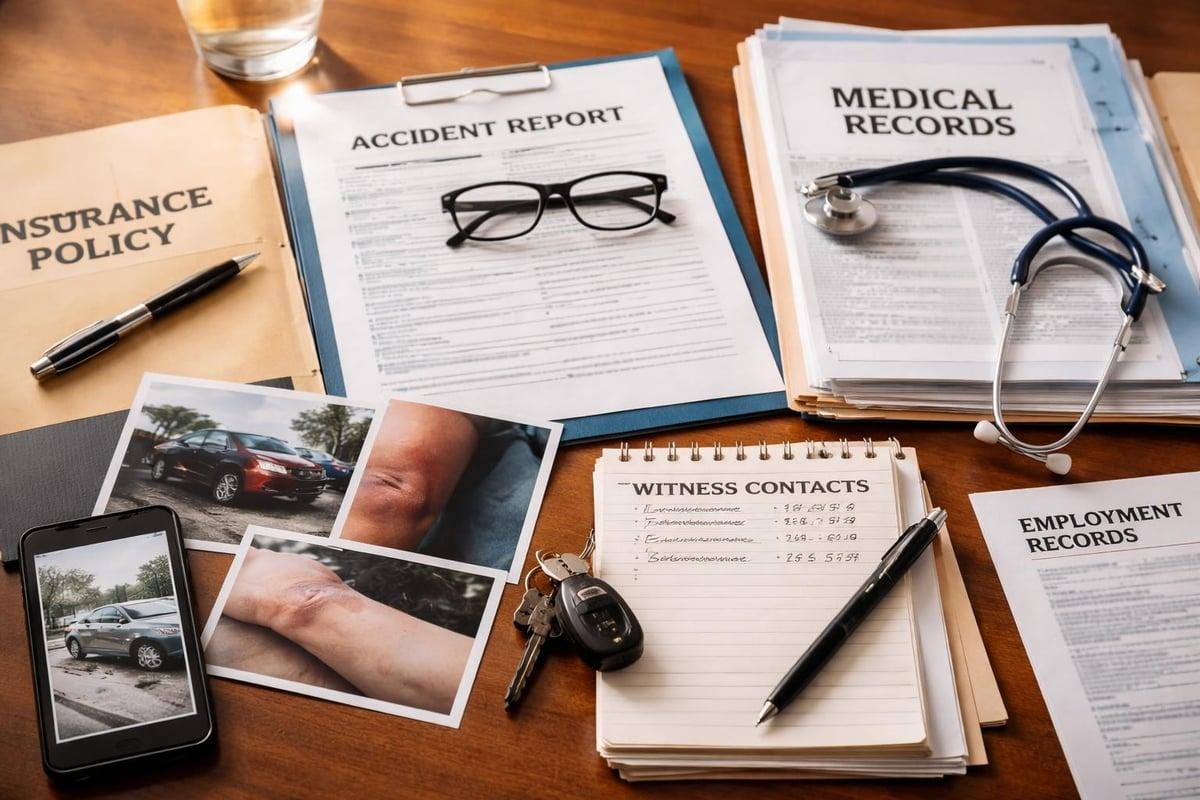
Keep copies of:
- Police or accident reports
- Medical records and bills
- Insurance correspondence
- Photographs and videos
- Repair estimates
- Employment or wage-loss records
- Information exchanged with the truck driver or company
It is also helpful to write down what you remember while the details are still fresh.
Trucking Records Can Matter
One major difference in truck accident cases is the amount of information that may exist about the vehicle and driver.
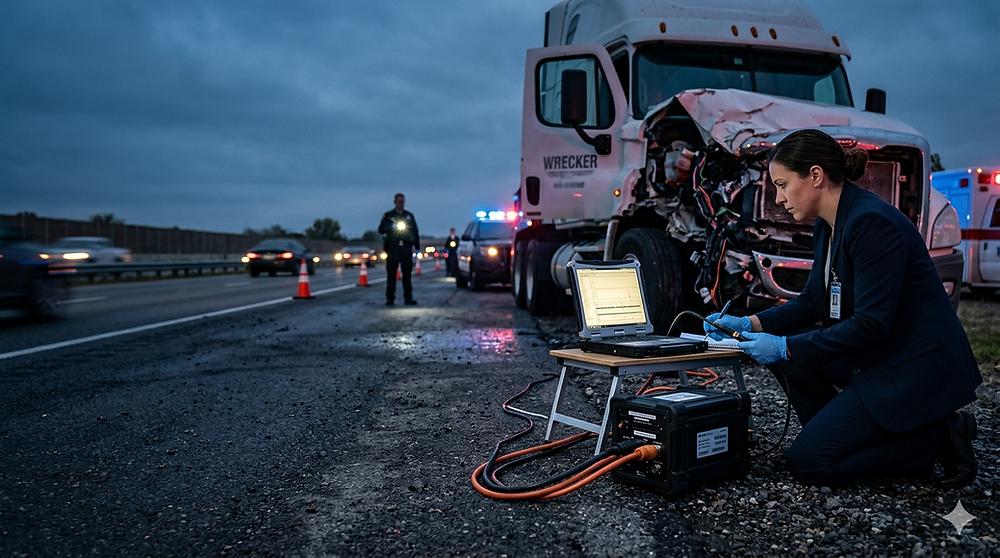
Depending on the circumstances, records can include electronic logging information, inspection records, maintenance documents, dispatch records, bills of lading, communications, and other commercial records. FMCSA rules require motor carriers to retain certain supporting documents and records related to drivers’ duty status.
This information can sometimes help establish what the driver was doing before the crash and whether the truck or driver was being operated in accordance with applicable requirements.
That is one reason it can be important to preserve evidence soon after a serious collision.
New York No-Fault Insurance and Serious Injuries
New York’s no-fault system generally provides benefits for certain basic economic losses resulting from motor vehicle accidents, regardless of who caused the crash. However, a person generally cannot recover for pain and suffering from another driver’s negligence unless the statutory serious-injury requirement is satisfied.
This issue can become particularly important in truck collision cases because the severity and long-term consequences of an injury may determine what types of claims can proceed.
A recent 2026 Fourth Department case, Wiechec v. Miller, involved New York’s no-fault serious-injury threshold and allegations concerning significant limitation of use.
The specific facts and medical evidence matter, so an attorney should evaluate the injuries rather than assuming that every truck accident automatically creates the same type of lawsuit.
What Compensation May Be Available?
Depending on the facts and the applicable insurance coverage, an injured person may seek compensation for losses such as medical expenses, lost income, property damage, and other legally recoverable damages.
A claim for pain and suffering may also be possible when the requirements for pursuing a negligence claim are met.
The value and availability of compensation depend heavily on the injuries, evidence, insurance policies, liability, and other circumstances. It is usually not possible to determine a fair amount simply by looking at the damage to the vehicles.
New York’s Three-Year Deadline
Time is an important issue after a truck accident.
New York Courts lists three years from the date of an accident for ordinary personal-injury claims arising from car accidents and other negligence-based personal injuries.
That does not mean you should wait three years before speaking with a lawyer. Different defendants and circumstances can involve different deadlines. Claims involving a government entity can have additional notice requirements, for example. New York Courts explains that certain claims against government agencies require a Notice of Claim within 90 days.
Getting legal advice early can help identify which deadlines actually apply to your situation.
When Should You Speak With a Truck Accident Lawyer?
You may want to consider speaking with an attorney if the crash resulted in significant injuries, extended medical treatment, lost income, permanent limitations, disputed fault, or substantial property damage.
Legal help can also be useful when several parties or insurance companies are involved.
A lawyer can review the accident circumstances, identify potentially responsible parties, examine available evidence, and explain the claims that may be available under New York law.
That does not mean every truck accident needs to become a lawsuit. In some situations, an insurance claim or negotiated settlement may resolve the matter. The right approach depends on the facts.
4 FAQs About Truck Accidents in Buffalo
1. How long do I have to file a truck accident injury claim in New York?
A typical negligence-based personal injury claim generally has a three-year statute of limitations under New York law. However, exceptions and special rules can apply, particularly when a government entity is involved.
2. Who can be responsible for a truck accident?
Depending on the facts, responsibility may involve the truck driver, trucking company, vehicle owner, maintenance provider, cargo-related parties, or other parties. An investigation is needed to determine which parties may have legal responsibility.
3. What evidence is important after a truck accident?
Photos, medical records, accident reports, witness information, vehicle damage, surveillance footage, and trucking records can all be relevant. Commercial trucking records may include duty-status information, dispatch records, and maintenance or inspection documentation.
4. Should I hire a lawyer after a truck accident in Buffalo?
It can be helpful to consult a lawyer when injuries are serious, fault is disputed, multiple parties are involved, or the insurance process becomes complicated. A consultation can help you understand your legal options before deciding how to proceed.
Final Thoughts
A truck accident can leave you dealing with medical appointments, insurance calls, vehicle repairs, and questions about what actually caused the collision. The situation can become even more complicated when a commercial driver and trucking company are involved.
If you were injured in Buffalo, keep your records, follow your medical treatment, preserve available evidence, and pay attention to legal deadlines. Understanding your rights early can make it easier to decide what steps make sense for your particular situation.