Car Accident in Buffalo: Laws, Rights and Legal Options
A car accident in Buffalo can leave you dealing with much more than a damaged vehicle. You may be trying to arrange medical treatment, miss work because of an injury, deal with insurance adjusters, and figure out who is responsible for what happened. New York’s no-fault system is designed to provide certain benefits after an accident regardless of who caused it, but there are situations where an injured person may also have a personal injury claim against another driver. Understanding how these rules work can help you protect your rights after a crash.
What Should You Do After a Car Accident in Buffalo?
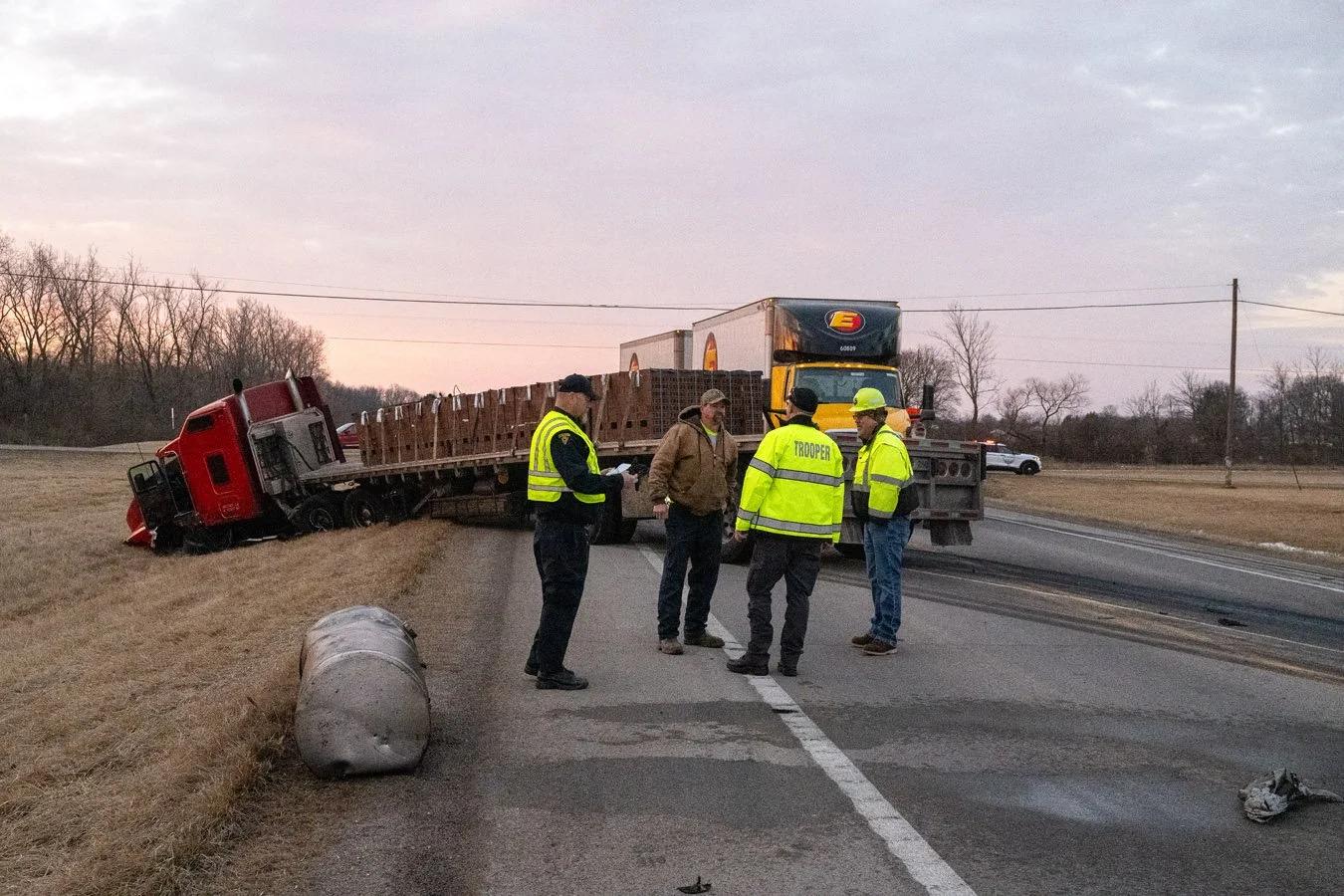
Your first priority should be safety. If anyone is injured, call 911 and get medical assistance. If it is safe to do so, exchange information with the other driver and document the scene.
Photos of the vehicles, roadway, traffic signals, visible injuries, weather conditions, and surrounding area may become useful later. If there were witnesses, obtain their contact information if possible.
New York DMV requires drivers to report crashes involving a death, personal injury, or property damage to any one person’s property exceeding $1,000. The required report, Form MV-104, generally must be filed within 10 days of the accident.
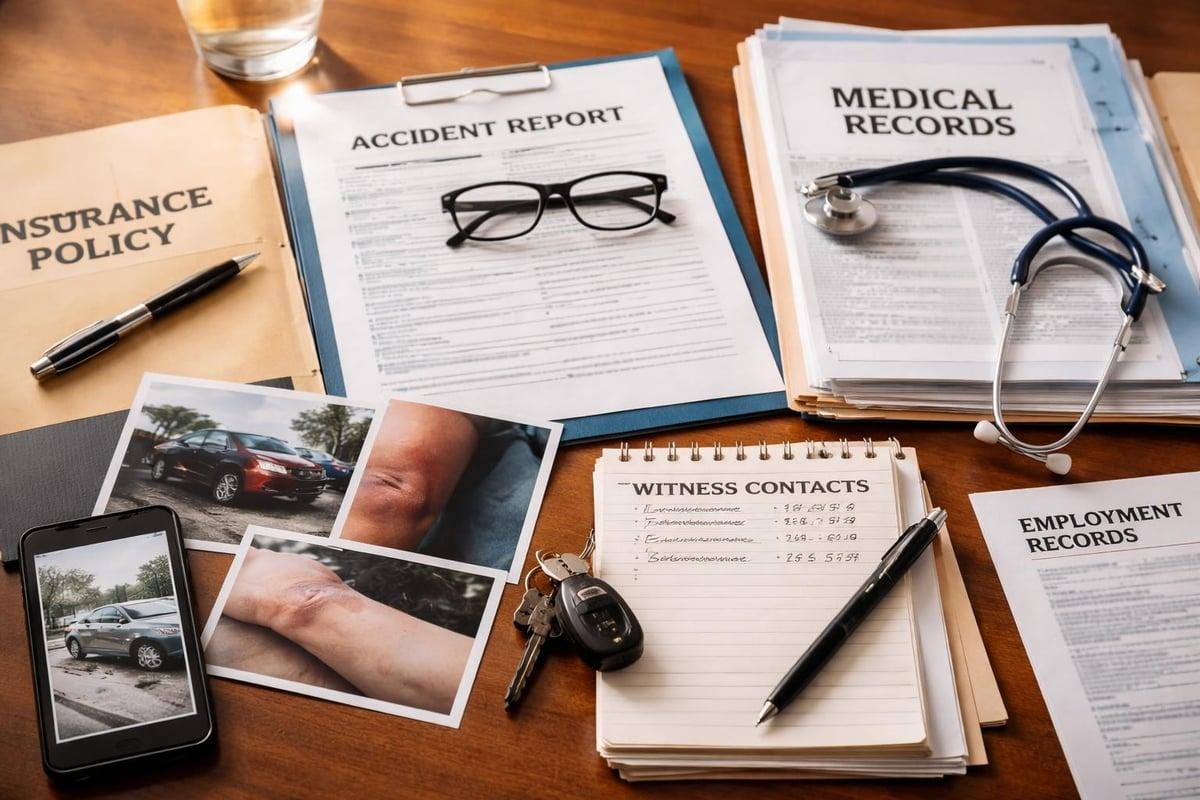
It is also a good idea to keep copies of the police report, insurance correspondence, medical records, bills, prescriptions, and documentation showing time missed from work.
How Does New York No-Fault Insurance Work?
New York uses a no-fault automobile insurance system for certain accident-related economic losses. Basic No-Fault coverage generally provides up to $50,000 per person for covered economic losses, including reasonable and necessary medical expenses and certain lost earnings.
No-fault benefits are different from a claim against the driver who caused the accident. You generally do not have to prove another driver’s negligence to receive eligible no-fault benefits.
There are important deadlines, however. New York’s Department of Financial Services states that written notice of a no-fault claim generally must be provided within 30 days after the accident, unless a legally sufficient justification exists for the delay.
That makes it important not to assume that you can simply wait until your medical treatment is finished before dealing with insurance paperwork.
When Can You Bring a Personal Injury Claim?
No-fault coverage does not mean that an injured person can never bring a lawsuit against another driver.
New York law generally limits lawsuits for non-economic damages, such as pain and suffering, unless the injured person meets the statutory definition of a “serious injury.” New York Insurance Law § 5102(d) includes several categories, including certain fractures, significant disfigurement, permanent loss or limitation of use, and medically determined injuries that substantially prevent a person from performing usual daily activities for the required period.
Recent New York appellate decisions continue to show how important medical evidence can be when the serious-injury threshold is disputed. For example, courts in 2026 have considered range-of-motion limitations, medical examinations, and evidence connecting claimed injuries to the accident.
Because the details of each injury matter, someone who has suffered significant injuries should have the circumstances reviewed individually rather than assuming that every accident automatically creates a lawsuit.
What If the Other Driver Was at Fault?
If another driver caused the crash, evidence showing how the collision happened can become important.
Depending on the circumstances, evidence may include:
- Police reports
- Traffic-camera or surveillance footage
- Witness statements
- Vehicle photographs
- Damage patterns
- Medical records
- Accident reconstruction evidence
- Cellphone or electronic records when legally obtainable
- Statements made by the drivers or witnesses
New York’s comparative-negligence rules can also affect how damages are determined when more than one person contributed to an accident. In other words, responsibility does not always fall entirely on one driver.
The specific facts can matter greatly, particularly when both drivers give different versions of what happened.
What About Medical Bills and Lost Wages?
After an accident, keep records of every expense connected with your injuries.
No-fault benefits can cover reasonable and necessary medical expenses and may provide reimbursement for certain lost earnings. New York DFS explains that basic no-fault coverage generally pays 80% of lost earnings, subject to a $2,000 monthly limit and other statutory conditions, for up to three years from the accident.
You should also keep documentation from your employer if you miss work. Medical bills, treatment records, mileage or transportation expenses, and receipts for other qualifying expenses can help document your claim.
How Long Do You Have to File a Car Accident Lawsuit in New York?
For many personal injury actions, New York CPLR § 214 provides a three-year limitations period. However, the exact deadline can change depending on the defendant, type of claim, government involvement, and other circumstances.
That means the three-year period should not be treated as a universal deadline for every Buffalo accident.
Claims involving a government entity can have substantially different notice and filing requirements, for example. If you believe a city, county, state agency, or other government-related entity may be involved, getting legal advice promptly can be especially important.
When Should You Talk to a Buffalo Car Accident Lawyer?
You do not necessarily need an attorney for every minor crash. But legal advice can become particularly useful when there are serious injuries, disputed fault, substantial medical expenses, significant lost income, multiple vehicles, an uninsured or underinsured driver, or an insurance company disputes your claim.
A lawyer can review the accident circumstances, insurance coverage, medical documentation, potential liability, and applicable deadlines.
It can also be helpful before giving detailed statements to an opposing insurance company or accepting a settlement that you do not fully understand. A settlement may resolve certain claims, so you should understand what you are giving up before signing an agreement.
4 FAQs About Car Accidents in Buffalo
1. Do I need a lawyer after a car accident in Buffalo?
Not every accident requires an attorney. Legal advice may be particularly useful when injuries are significant, fault is disputed, insurance benefits are being denied, or you are considering a personal injury lawsuit.
2. How quickly should I report a Buffalo car accident to my insurance company?
You should notify your insurer promptly and check your policy for its reporting requirements. For New York no-fault benefits, written notice generally must be provided within 30 days unless a legally recognized justification for late notice applies.
3. Can I sue the other driver for pain and suffering?
Possibly, but New York’s no-fault law generally requires an injured person to meet the statutory serious-injury threshold before recovering non-economic damages in an automobile accident case.
4. What evidence should I keep after a Buffalo car accident?
Keep photographs, police and accident reports, medical records, bills, insurance correspondence, employment records, witness information, and other documents connected to the crash. Do not delete potentially relevant photographs, messages, or other records.
Final Thoughts
A car accident can seem straightforward at the scene and become much more complicated once medical treatment and insurance claims begin. New York’s no-fault system can provide important benefits, but it does not answer every question about liability or compensation.
If you were injured in a Buffalo crash, document what happened, pay attention to insurance deadlines, follow your medical treatment, and keep your records organized. When the accident involves serious injuries or a disputed claim, speaking with a qualified New York personal injury attorney can help you understand the legal options that may apply to your particular circumstances.