New York Construction Accident Laws and Worker Rights
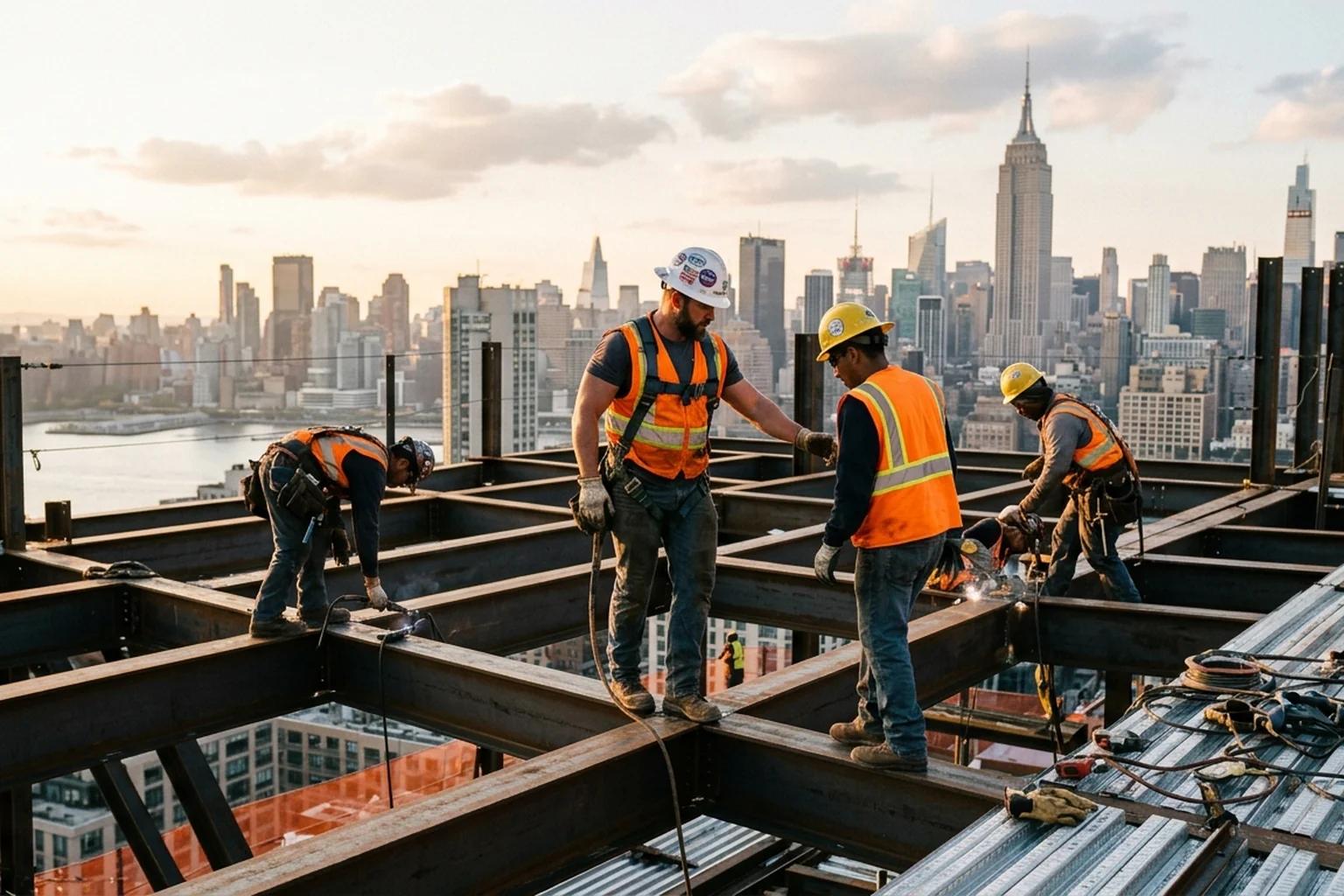
Construction work is physically demanding, and even a normal workday can become dangerous when proper safety equipment, training, or supervision is missing. Falls from heights, falling objects, scaffolding accidents, electrocution, machinery injuries, trench accidents, and other hazards can leave workers facing serious injuries and time away from work.
New York construction workers have several legal protections. These can include workers’ compensation benefits, workplace safety protections, and potential claims against property owners, general contractors, or other responsible third parties. New York Labor Law also contains specific protections for construction and demolition workers, including Sections 200, 240, and 241.
Understanding these rights can be important after a construction accident, particularly when an employer or contractor says the accident was simply part of the job.
What Should You Do After a Construction Accident?
Your first priority should be getting appropriate medical attention.
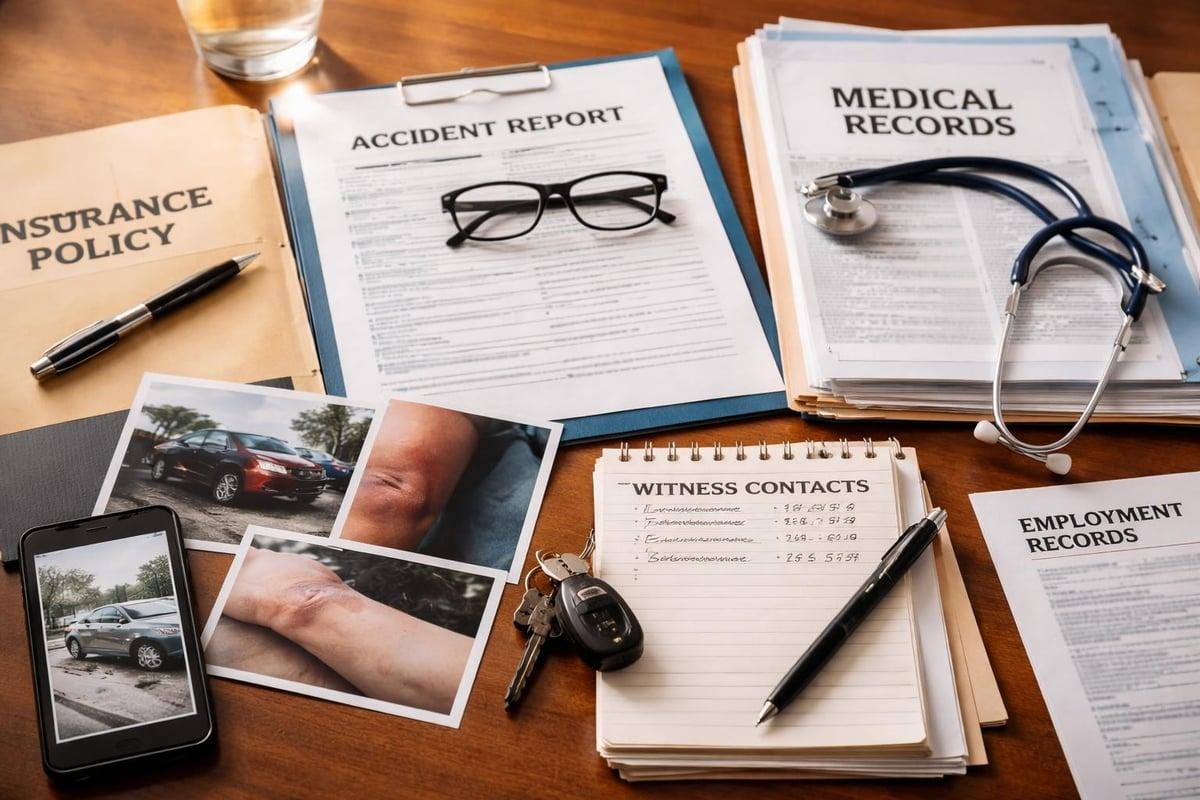
After that, try to document what happened as carefully as possible. Depending on the circumstances, useful steps may include:
- Report the accident to your supervisor.
- Seek medical treatment.
- Photograph the accident scene and equipment involved.
- Get contact information for witnesses.
- Keep copies of medical records and bills.
- Preserve photographs, texts, emails, and other evidence.
- Keep records showing time missed from work.
- Speak with an attorney if you believe another party may be responsible.
In New York, workers should generally notify their employer in writing within 30 days of a work-related injury to protect workers’ compensation rights.
New York Workers’ Compensation Rights
Workers’ compensation is one of the primary protections available to employees who are injured on the job.
New York workers’ compensation can provide medical care and cash benefits for qualifying work-related injuries, generally without requiring the worker to prove that the employer was negligent.
Benefits may include coverage for:
- Medical treatment
- Temporary disability
- Lost wages
- Permanent disability in qualifying situations
- Certain related expenses
Most New York employers are required to carry workers’ compensation coverage for employees.
Can Your Employer Fire You for Filing Workers’ Compensation?
An employer cannot discriminate against an employee simply because the employee filed or plans to file a workers’ compensation claim. The New York Workers’ Compensation Board specifically states that an employer is not allowed to prevent an employee from filing a claim or discriminate against an employee for filing one.
That doesn’t necessarily mean every termination following an injury is illegal. Employment situations can be complicated, so the specific facts matter.
New York Labor Law Section 240
New York Labor Law § 240 is commonly known as the Scaffold Law.
It provides specific protections for workers exposed to certain elevation-related risks during construction, demolition, repair, alteration, painting, cleaning, and pointing work. The statute requires covered owners and contractors to provide appropriate safety devices such as scaffolds, hoists, ladders, ropes, and other equipment.
This law is particularly important in accidents involving:
- Falls from scaffolds
- Falls from ladders
- Falls from elevated platforms
- Falling objects
- Hoists and lifting equipment
- Other qualifying gravity-related hazards
However, not every construction accident automatically falls under Labor Law § 240.
New York courts look at whether the accident involved the type of elevation-related risk covered by the statute. A recent 2026 New York decision, for example, emphasized that the statute focuses on injuries directly resulting from inadequate protection against qualifying elevation-related hazards.
What Is Labor Law Section 241?
New York Labor Law § 241 addresses construction, demolition, and excavation work.
It requires covered construction areas to provide reasonable and adequate protection and safety for workers.
Section 241(6) can become particularly important when a worker alleges that specific safety requirements were violated.
Potential issues can involve:
- Unsafe working areas
- Dangerous equipment
- Excavation hazards
- Unsafe ladders
- Debris
- Improperly maintained work areas
- Other violations of applicable Industrial Code provisions
A Section 241(6) claim generally requires more than simply showing that an accident occurred. The particular safety rule and circumstances surrounding the accident matter.
What Is Labor Law Section 200?
New York Labor Law § 200 is another important construction-worker protection.
It addresses workplace safety and can overlap with common-law negligence claims.
Depending on the circumstances, an injured worker may need to establish that the responsible party had notice of a dangerous condition or exercised sufficient supervision or control over the work.
These cases can become fact-intensive because courts examine who controlled the work, who created the condition, and who was responsible for correcting it.
Can a Construction Worker Sue Someone Other Than the Employer?
Potentially, yes.
Workers’ compensation generally provides an important remedy against the employer, but a worker may also have a third-party personal injury claim when another party is legally responsible for the accident.
For example, depending on the facts, a construction worker might have a claim involving:
- A property owner
- General contractor
- Subcontractor
- Equipment manufacturer
- Property manager
- Other responsible third party
New York Labor Law §§ 240 and 241 can be particularly important in certain claims against property owners and contractors.
This is one reason workers shouldn’t automatically assume that workers’ compensation is their only possible legal remedy.
What If You Were Called an Independent Contractor?
Being labeled an “independent contractor” doesn’t necessarily settle the issue.
New York’s Construction Industry Fair Play Act creates a presumption that a construction worker is an employee unless specific requirements are satisfied. The law considers factors including whether the worker is free from direction and control, whether the work falls outside the hiring company’s usual business, and whether the worker has an independently established business.
This protection can be especially important for workers who are paid through subcontracting arrangements or who are told they are “1099 workers.”
The actual working relationship matters.
Construction Worker Safety Rights
Workers have the right to a workplace that is reasonably safe and to receive appropriate safety information and training.
New York’s Department of Labor identifies workplace safety and health as a core worker-protection area.
In New York City, certain construction workers also have specific training requirements. For example, workers assigned to certain large construction sites must receive required site safety training and carry the appropriate Site Safety Training card.
Workers should not be expected to perform dangerous work without appropriate training, protective equipment, or safety measures.
What About Unsafe Conditions?
Workers should report dangerous conditions rather than simply accepting them as part of construction work.
In New York City, unsafe construction-site conditions can be reported through 311, and the NYC Department of Buildings provides procedures for reporting worksite incidents and unsafe conditions.
For a serious incident involving an injury, NYC’s Department of Buildings instructs that emergency medical assistance should be obtained and the incident reported according to applicable requirements.
Common Construction Accidents in New York
Construction accidents can happen in many different ways.
Falls From Heights
Falls from ladders, scaffolds, roofs, platforms, and elevated work areas are among the accidents that can raise significant Labor Law issues.
Falling Objects
Tools, building materials, debris, and equipment can cause severe injuries when they fall from elevated locations.
Scaffolding Accidents
A scaffold may become dangerous because of improper assembly, missing safety equipment, defective components, or other problems.
Electrical Accidents
Contact with energized equipment or wiring can result in burns, electrocution, falls, and other serious injuries.
Machinery Accidents
Workers may suffer injuries involving cranes, forklifts, saws, drills, excavators, and other construction machinery.
Trench and Excavation Accidents
Collapses and other excavation hazards can cause catastrophic injuries.
Slips and Trips
Construction sites often contain debris, uneven surfaces, cables, tools, and temporary structures that can create trip hazards.
What Evidence Should You Preserve?
Construction accident cases can depend heavily on evidence.
If you’re physically able to do so, consider preserving:
Photographs: Take pictures of the accident location, equipment, safety devices, and visible hazards.
Witness information: Get names and contact information for people who saw the accident.
Medical records: Keep documentation of treatment, diagnoses, prescriptions, and follow-up appointments.
Work records: Preserve pay records and information about time missed from work.
Safety documents: Training records, inspection records, incident reports, and safety communications may become relevant.
Digital evidence: Text messages, emails, photographs, and videos can sometimes help establish what happened.
Don’t alter or discard equipment involved in an accident if it may be relevant evidence.
Can an Immigration Status Affect Your Rights?
Workers should not assume that they lose workplace protections simply because of their immigration status.
For example, NYC’s official construction-worker rights notice states that covered workers have specified rights regardless of immigration status.
If you’re worried about your immigration status after a construction accident, consider speaking privately with an attorney who understands both workplace injury law and the relevant immigration concerns.
Frequently Asked Questions
1. What should I do after a construction accident in New York?
Get medical attention, report the accident, notify your employer in writing, document the scene, preserve evidence, and consider speaking with a construction accident attorney. New York generally requires written notice to the employer within 30 days for workers’ compensation purposes.
2. Can I receive workers’ compensation after a construction accident?
If you are a covered employee and the injury arose out of and in the course of your employment, you may be entitled to workers’ compensation benefits, including medical care and qualifying cash benefits.
3. What is New York’s Scaffold Law?
Labor Law § 240 provides specific protections for covered construction workers exposed to certain elevation-related hazards and requires appropriate safety devices in qualifying construction work.
4. Can I sue the property owner after a construction accident?
Potentially. Depending on the facts, a worker may have a third-party claim against a property owner, general contractor, subcontractor, or another responsible party. Labor Law §§ 240 and 241 can be particularly relevant in certain construction injury cases.
5. Can my employer call me an independent contractor?
Not simply because the employer chooses that label. New York’s Construction Industry Fair Play Act establishes specific requirements for treating a construction worker as an independent contractor.
Final Thoughts
New York construction workers have important legal protections, but the rules can become complicated after a serious accident.
Workers’ compensation may provide medical care and wage-related benefits. Depending on the circumstances, New York Labor Law §§ 200, 240, and 241 may provide additional legal protections or support claims against parties other than the employer.
The most important thing is not to assume that an injury is simply “part of the job.” If you were injured on a New York construction site, document what happened, report the accident, seek appropriate medical care, and consider getting legal advice about your rights.