Buffalo Wrongful Death Laws: What Families Should Know
Losing someone because of another person’s negligence is difficult enough without having to figure out what the law says afterward. Families in Buffalo may suddenly be dealing with funeral expenses, lost household income, medical bills, insurance companies, and a legal process they never expected to face. Understanding Buffalo wrongful death laws can help families recognize their options and, just as importantly, understand why acting promptly can matter.
In New York, wrongful death claims are generally governed by Estates, Powers and Trusts Law (EPTL) § 5-4.1. A wrongful death claim can arise when a person’s wrongful act, neglect, or default causes someone else to die and the person who caused the death would otherwise have been legally responsible for the conduct.
What Counts as Wrongful Death in New York?
Wrongful death is not limited to one particular type of accident.
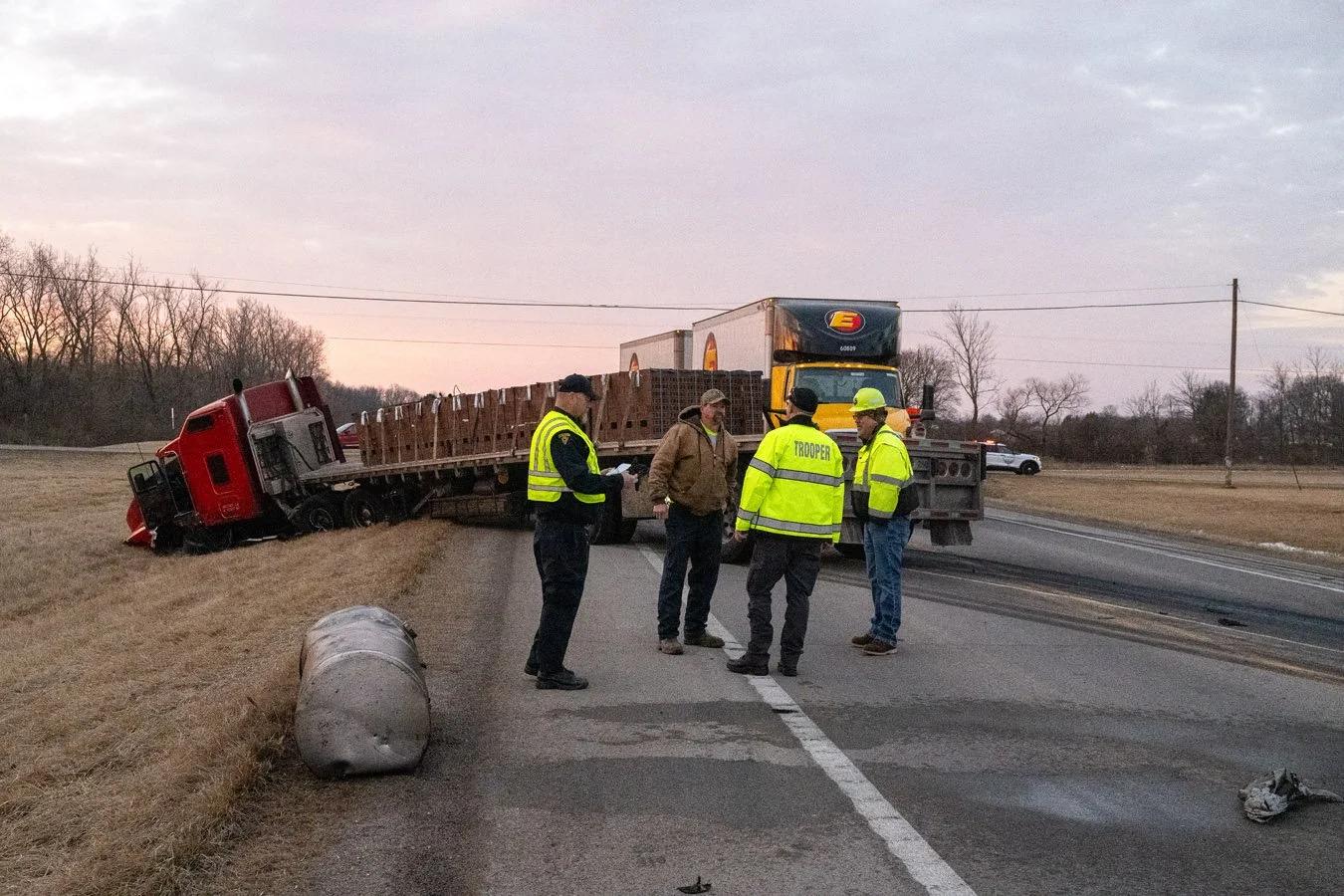
A claim might follow a fatal car or truck crash, a dangerous property condition, medical negligence, a workplace-related incident, or another situation where someone’s negligence or wrongful conduct allegedly caused the death.
There are several legal pieces that generally need to be established. New York courts have described the essential elements as the death of a person, a wrongful act or negligence that caused the death, surviving distributees who suffered a pecuniary loss, and the appointment of a personal representative for the decedent’s estate.
That last part can surprise families. The surviving spouse, children, or other relatives do not simply file the wrongful-death lawsuit in their own names. The action is generally brought by the properly appointed personal representative of the estate.
Who Can Bring a Buffalo Wrongful Death Claim?
Under New York law, the personal representative—such as an executor or administrator—brings the wrongful death action.
The people who may ultimately benefit from the claim are generally the decedent’s distributees who experienced qualifying financial losses. Recent New York cases continue to emphasize the role of the personal representative in bringing these claims.
This is one reason families should not assume that being the closest relative automatically gives them the right to file the lawsuit themselves.
If an estate has not yet been properly established, talking with an attorney about the Surrogate’s Court process may be an important first step.
What Damages Can a Family Recover?
This is an area where New York law is particularly important to understand.
Under the current law, wrongful-death damages are generally focused on pecuniary losses, meaning financial losses resulting from the person’s death. New York courts have explained that these can include losses such as financial support, voluntary assistance, medical expenses related to the death, and funeral expenses in appropriate circumstances.
For example, imagine a Buffalo family loses a parent who was providing most of the household income. The financial effect of that loss can extend far beyond the immediate funeral bill. The family may lose expected financial support and other forms of economic assistance the person would have provided.
The calculation can become complicated because the value of those losses depends on the circumstances of the decedent and the surviving family members.
What About Grief and Emotional Loss?
This is an important point because New York’s wrongful-death law has been the subject of legislative efforts to expand available damages.
A proposed law would broaden recoverable damages to include grief and anguish and expand the categories of family members who could recover. It would also extend the filing period from two years to three years. However, legislation being proposed or introduced is not the same thing as a change to the law currently in effect. As of the current legislative record, the 2026 bill addressing these changes remains listed as active.
So families should be careful about relying on online articles that say New York has already moved to a three-year wrongful-death deadline or broadly allows emotional-distress damages in wrongful-death cases.
How Long Does a Family Have to File?
For a standard New York wrongful-death claim, the general limitations period is two years from the date of death under EPTL § 5-4.1. New York court decisions in 2026 continue to apply that two-year period.
That deadline can become especially important when the responsible party is a government entity or public authority because additional notice and procedural requirements may apply. For example, New York’s Court of Claims explains that certain wrongful-death claims against the State have a 90-day requirement for serving and filing the claim after appointment of the executor or administrator, along with the two-year death-related limitation period.
Because the rules can change depending on who is being sued and what caused the death, families should not wait until the end of the limitation period to investigate their options.
Wrongful Death and the Decedent’s Own Injury Claim Are Different
Another issue that sometimes gets overlooked is the difference between a wrongful-death claim and a survival claim.
If the person experienced conscious pain and suffering or other legally recoverable injuries before dying, the estate may have a separate claim for those injuries. New York courts have explained that a survival claim and a wrongful-death claim are legally distinct, with the wrongful-death claim addressing the losses resulting from the death and the survival claim addressing the decedent’s own injuries.
That distinction can affect what damages are pursued and how the case is handled.
What Should a Buffalo Family Do After a Fatal Accident?
The first priority is, of course, taking care of the family and immediate arrangements. But from a legal standpoint, preserving information early can be extremely important.
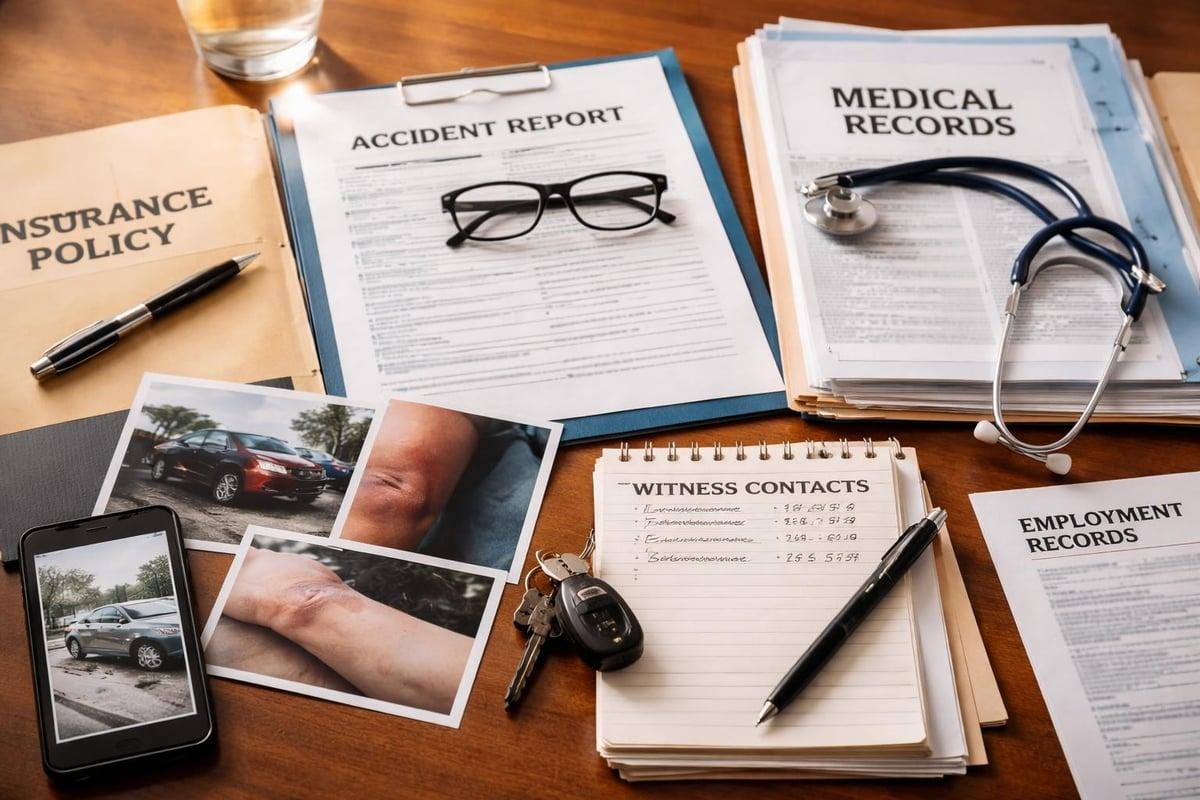
Keep accident reports, medical records, photographs, insurance correspondence, employment and income records, bills, and other documents connected to the death. Avoid casually discussing the circumstances with an insurance company before understanding what is being requested and why.
If the death involved a vehicle crash, for example, evidence such as photographs, witness information, vehicle records, surveillance footage, and accident reports may become important. If it involved medical care, medical records and expert review may be central to the case.
A Buffalo attorney handling wrongful-death matters can help determine which evidence matters and which legal deadlines apply to the particular claim.
4 FAQs About Buffalo Wrongful Death Laws
1. How long do I have to file a wrongful death lawsuit in Buffalo?
The general New York deadline is two years from the date of death. However, special rules and shorter deadlines can apply in certain cases, particularly when a government entity is involved.
2. Can a spouse or child file a wrongful death lawsuit directly?
Generally, the wrongful-death action is brought by the decedent’s duly appointed personal representative. Eligible surviving family members may benefit from the recovery when they have qualifying losses.
3. Can a family recover compensation for funeral expenses?
Potentially, yes. New York courts have recognized funeral and medical expenses associated with the death among losses that may be recoverable in a wrongful-death action, depending on the circumstances.
4. Has New York changed the wrongful death deadline to three years?
Not generally under the current law. A legislative proposal would extend the period to three years and expand recoverable damages, but the proposal is listed as active rather than as an enacted change to the existing rule.
Final Thoughts
Nothing about a wrongful-death case feels routine when the person who died was a parent, spouse, child, sibling, or another important part of the family. The legal process can feel like one more burden at a time when people are already trying to cope with a major loss.
For Buffalo families, the most important things are understanding who has authority to bring the claim, identifying the losses that may legally be recovered, preserving evidence, and paying attention to the filing deadline. Because wrongful-death cases can involve complicated estate, evidence, insurance, and damages issues, getting advice early can help a family understand what options are actually available under New York law.