Buffalo Construction Accident Laws: What Injured Workers Should Know
Construction work is physically demanding, and an accident can happen in seconds. A worker may fall from a ladder, get struck by equipment, suffer an injury from falling materials, or be hurt because a work area was not properly protected. After something like that happens, the first concern is usually medical treatment and getting back home safely. The legal questions often come later.
For workers searching for information about Buffalo construction accident laws, New York has several protections that can be important depending on how the accident happened, who was responsible for the worksite, and what kind of work the injured person was performing.
New York Has Special Laws for Construction Workers
Construction accident cases in New York can involve more than ordinary negligence rules. The state’s Labor Law includes specific provisions addressing safety on construction, demolition, and excavation sites.
One of the most well-known is Labor Law § 240(1), often called the Scaffold Law. It requires certain owners, contractors, and their agents to provide appropriate safety devices for workers exposed to specified elevation-related risks. The statute specifically addresses equipment such as scaffolds, ladders, hoists, ropes, and other protective devices.
That does not mean every construction accident automatically qualifies under Section 240. The circumstances of the accident matter, particularly whether the injury resulted from the type of elevation-related hazard covered by the statute.
Falls From Ladders, Scaffolds and Other Heights
Falls are among the accidents people commonly associate with construction work.
Imagine a Buffalo worker standing on a ladder while installing materials. The ladder shifts, the worker loses balance, and the resulting injury requires surgery. Whether Labor Law § 240(1) applies depends on the facts, including the nature of the work, the safety equipment provided, and the connection between the accident and the elevation-related risk.
A recent 2026 Fourth Department case, Delisle v. FBBT/US Properties, LLC, involved a construction worker injured after an A-frame ladder shifted. The court addressed the worker’s claim under Labor Law § 240(1) and ultimately granted partial summary judgment on liability under that provision.
The lesson is that seemingly small details about the ladder, equipment, work being performed, and accident itself can become very important.
What Does Labor Law § 241(6) Do?
New York Labor Law § 241(6) deals with construction, excavation, and demolition work and requires owners and contractors to provide reasonable and adequate protection and safety for workers in covered areas.
A § 241(6) claim generally involves a violation of a specific safety regulation in the state’s Industrial Code. Courts have emphasized that simply alleging that a worksite was generally unsafe is not enough; the applicable regulation and the connection between that violation and the injury matter.
This can become relevant in accidents involving unsafe walking or working surfaces, inadequate protection, dangerous equipment, falling objects, insufficient lighting, and other construction-site hazards.
What About Labor Law § 200?
Another provision that may appear in a construction injury case is Labor Law § 200. It generally reflects the common-law duty to maintain a reasonably safe construction workplace.
The legal analysis can change depending on whether the worker was injured because of a dangerous condition at the property or because of the way the work itself was being performed. Courts examine those situations differently.
That is one reason it is difficult to determine responsibility simply by looking at who owned the building or who employed the injured worker.
Workers’ Compensation May Also Be Involved
A construction worker who is injured while working may have a workers’ compensation claim in addition to potential claims against other parties.
Workers’ compensation can provide benefits for covered workplace injuries, but a separate personal injury action may sometimes be available against a party other than the injured worker’s employer. Whether such a lawsuit is possible depends heavily on the facts and the parties involved.
That is why workers should be cautious about assuming that receiving workers’ compensation automatically answers every legal question surrounding an accident.
Who Could Be Responsible for a Buffalo Construction Accident?
Depending on the circumstances, several parties could potentially become involved in an injury claim.
They might include:
- A property owner
- A general contractor
- A subcontractor
- An equipment company
- A manufacturer
- A site manager
- Another company working at the construction site
However, responsibility is not simply assigned because someone’s name appears on a construction project. The particular facts, contracts, work responsibilities, safety obligations, and applicable laws need to be examined.
For example, a 2026 New York appellate decision discussed whether a general contractor could qualify as a statutory agent under Labor Law §§ 240(1) and 241(6), focusing in part on its supervisory authority over the work being performed.
What Should You Do After a Construction Accident?
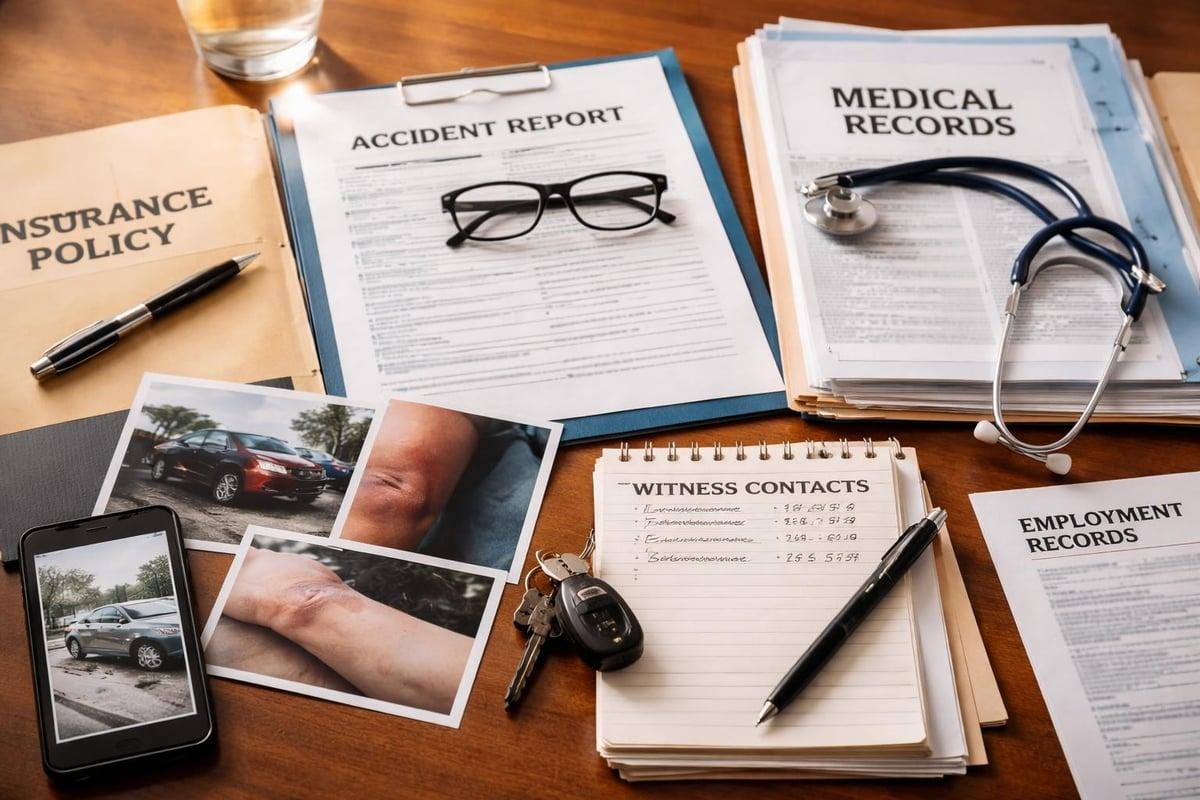
After getting medical attention, try to preserve information about what happened.
Report the accident through the appropriate workplace procedure and keep copies of any accident reports or related paperwork. Follow medical instructions and keep records of treatment, appointments, restrictions, and expenses.
If possible, photographs of the accident area, equipment, ladder, scaffolding, tools, or other conditions may also become useful. Names and contact information for people who witnessed the accident can matter as well.
Most importantly, do not assume that a painful injury is “just part of the job.” A construction accident can involve multiple legal issues, and waiting too long to understand your rights can make things more difficult.
When Should You Speak With a Buffalo Construction Accident Lawyer?
It may be especially useful to speak with an attorney when the injury is serious, you are unable to work, the accident involved a fall or falling object, there are questions about safety equipment, or you believe someone other than your employer may have contributed to the accident.
A lawyer can review the circumstances and determine which legal theories may apply rather than simply assuming that one statute covers the situation.
You should also be prepared to explain exactly what you were doing when the accident occurred, what equipment you were using, who was supervising the work, what happened immediately before the injury, and what medical treatment you have received.
4 FAQs About Buffalo Construction Accident Laws
1. Does every construction accident qualify under New York’s Scaffold Law?
No. Labor Law § 240(1) applies to specific elevation-related risks and covered construction activities. The circumstances of the accident must be examined to determine whether the statute applies.
2. Can a construction worker receive workers’ compensation and pursue another claim?
Possibly. Workers’ compensation and a separate claim against another responsible party can involve different legal issues. The specific facts should be reviewed by an attorney.
3. What if my construction accident involved a ladder?
A ladder accident may raise issues under Labor Law § 240(1), but not every ladder accident automatically qualifies. The type of work, height-related risk, equipment provided, and cause of the accident can all matter. A 2026 Fourth Department decision involving a shifting A-frame ladder illustrates how fact-specific these cases can be.
4. How long do I have to bring a construction accident claim in New York?
The deadline depends on the type of claim and who may be responsible. Different rules can apply to claims against private parties, government entities, employers, and other defendants. Because missing a deadline can seriously affect your rights, it is best to speak with a qualified New York attorney promptly.
Final Thoughts
A construction accident is not always as straightforward legally as it looks at first. A worker may think, “I was hurt at work, so this is only a workers’ compensation matter,” while the circumstances could involve additional claims or protections under New York Labor Law.
For someone injured on a Buffalo construction site, the details matter: the equipment being used, the type of work, the height involved, the condition of the site, who controlled the work, and what caused the accident. Getting those details documented early can make it easier to understand what legal options may be available.