New York Car Accident Settlement: What Determines the Amount?
After a car accident, one of the first questions many injured people have is, “How much is my case worth?” It is understandable to want a number, especially when medical bills are arriving, you are missing work, and your vehicle needs repairs. But there is no standard New York car accident settlement amount that applies to everyone.
Two people can be involved in similar crashes and receive very different settlements. The difference usually comes down to the severity of the injuries, medical treatment, lost income, insurance coverage, who was responsible, and how the accident has affected the person’s everyday life.
New York also has a no-fault insurance system that affects how automobile injury claims work. Under New York law, an injured person generally cannot recover non-economic damages such as pain and suffering in a motor-vehicle negligence case unless the person meets the statutory serious-injury requirement.
There Is No Average Settlement That Fits Every Case
You may see websites advertising an “average” New York car accident settlement, but those numbers can be misleading.
A minor collision involving a short period of medical treatment is very different from an accident that causes a broken bone, spinal injury, surgery, permanent limitations, or disability.
The value of a claim depends on the actual losses and evidence involved.
For example, a person who suffers:
- A temporary neck strain
- Several weeks of physical therapy
- Minimal lost income
will generally have a very different claim from someone who experiences:
- A serious fracture
- Surgery
- Months of rehabilitation
- Permanent physical limitations
- Significant lost earnings
The severity and long-term consequences of the injury can make a major difference.
1. The Severity of Your Injuries
Injury severity is one of the biggest factors affecting a car accident settlement.
Insurance companies and attorneys will look at the nature of the injuries and how they affect your life.
Serious injuries can include fractures, significant spinal injuries, traumatic brain injuries, permanent impairments, and other conditions that substantially interfere with normal activities.
New York’s no-fault law specifically defines categories of “serious injury.” These include conditions such as death, dismemberment, significant disfigurement, fracture, permanent loss of use of a body organ or member, and certain permanent or significant limitations.
This matters because New York’s no-fault system restricts lawsuits for non-economic losses unless the statutory serious-injury threshold is satisfied.
2. Your Medical Treatment
Medical records can tell an important part of the story.
An insurer will typically want to know:
- What injuries were diagnosed?
- When did treatment begin?
- How long did treatment continue?
- Did you need physical therapy?
- Did you need surgery?
- Did doctors recommend future treatment?
- Did you experience permanent limitations?
Consistent medical documentation can help establish the connection between the accident and the injuries.
It is also important not to exaggerate symptoms. Your medical records should accurately reflect what you are experiencing.
3. Lost Wages and Future Income
A car accident can affect your finances even when your vehicle is eventually repaired.
If your injuries prevent you from working, you may experience lost income.
Depending on the circumstances, damages can involve:
- Missed wages
- Lost overtime
- Lost business income
- Reduced earning capacity
- Future income losses
A person who cannot return to the same occupation because of a permanent injury may have a substantially different claim from someone who misses only a few days of work.
Documentation such as pay stubs, tax records, employer statements, and other financial records can become important.
4. Pain and Suffering
A settlement can potentially include compensation for pain and suffering when the legal requirements for pursuing non-economic damages are satisfied.
This is not simply about how much pain someone experienced immediately after the crash.
The broader impact can matter, including:
- Physical discomfort
- Emotional distress
- Sleep problems
- Reduced mobility
- Loss of enjoyment of activities
- Permanent limitations
- Changes to family or social life
There is no simple formula that says a particular injury automatically equals a particular dollar amount.
New York courts have emphasized that damages for personal injuries must represent reasonable compensation based on the circumstances, and comparable cases can help guide whether an award is reasonable.
5. Whether You Meet New York’s Serious-Injury Threshold
This is a particularly important issue in New York car accident cases.
New York’s no-fault system was designed to provide certain basic economic benefits without requiring an injured person to prove fault, while limiting tort lawsuits for people who do not meet the statutory serious-injury threshold.
If your injury does not meet the legal definition of serious injury, your ability to recover damages from the other driver can be significantly restricted.
That means the medical diagnosis is not merely a detail in the case. It can affect whether you can pursue certain damages at all.
6. Who Was Responsible for the Accident?
Settlement negotiations also depend on liability.
Suppose another driver:
- Ran a red light
- Rear-ended your vehicle
- Made an unsafe lane change
- Failed to yield
- Was distracted
- Was driving negligently
Evidence showing what happened can become extremely important.
That evidence might include:
- Police reports
- Dashcam footage
- Traffic-camera footage
- Photographs
- Vehicle damage
- Witness statements
- Accident reconstruction
- Cellphone records in appropriate cases
The stronger the evidence establishing responsibility, the easier it can be to present a liability argument.
7. Your Percentage of Fault
What if you were partly responsible?
That does not necessarily mean you lose your entire claim.
New York applies comparative-fault principles in personal injury cases. Your recovery can be reduced according to the percentage of responsibility assigned to you.
For example, imagine that your damages are determined to be $200,000, but you are found 20% responsible for the accident.
A simplified calculation would be:
$200,000 − 20% = $160,000
The actual determination of fault and damages depends on the evidence and circumstances of the case.
8. Insurance Policy Limits
This is something accident victims sometimes overlook.
Even if your injuries are serious and your claim is strong, the available insurance coverage can affect settlement negotiations.
For example, if the at-fault driver’s policy has limited liability coverage, collecting a very large settlement from that insurer may not be possible solely through that policy.
Other insurance coverage may sometimes become relevant, including your own uninsured or underinsured motorist coverage.
The exact options depend on the policies and circumstances involved.
9. Property Damage Is Separate From Injury Damages
Your damaged vehicle and your bodily injuries are related to the same accident, but they are not necessarily the same category of damages.
Property-damage claims can involve:
- Vehicle repairs
- Total-loss valuation
- Rental-car expenses
- Personal property damaged in the crash
Meanwhile, an injury claim can involve medical expenses, lost income, and potentially pain and suffering when legally permitted.
Keeping documentation for both categories can help avoid confusion.
10. Your Future Medical Needs
Not every injury ends when the insurance claim is made.
Some accident victims need treatment for months or even years.
If doctors expect future:
- Surgery
- Physical therapy
- Medication
- Rehabilitation
- Medical monitoring
- Assistive equipment
those potential expenses can be relevant when evaluating a claim.
This is one reason accepting a settlement very quickly can sometimes be risky. Once a claim is resolved and the necessary releases are signed, you may have limited ability to seek additional compensation for the same injuries.
What Happens During Settlement Negotiations?
A typical injury claim may involve several stages.
Investigation
The accident and injuries are investigated, and relevant documents are collected.
Medical Treatment
Your medical condition is documented while treatment continues.
Demand
A settlement demand may be presented to the insurance company describing the accident, injuries, expenses, and other losses.
Negotiation
The insurer may make an offer, reject certain aspects of the claim, or request additional documentation.
Settlement or Lawsuit
If both sides reach an acceptable agreement, the case can settle. If they cannot agree, a lawsuit may be necessary.
Settlement negotiations can take time, particularly when the injuries are serious or liability is disputed.
Why the First Insurance Offer May Not Be the Final Value
Insurance companies are businesses, and their initial offer is not necessarily a complete assessment of what an injury claim may ultimately be worth.
An early offer may be made before:
- Your treatment is complete
- Future medical needs are understood
- Your final lost-income figures are available
- The full impact of the injury is known
This does not mean every first offer is unfair. It simply means you should understand what you are agreeing to before accepting and signing a settlement release.
How Long Do You Have to File a New York Car Accident Lawsuit?
For many New York car accident personal injury claims, the general statute of limitations is three years from the date of the accident. New York Courts list car accidents as three-year claims under CPLR 214.
But this is not a deadline you should rely on without looking at the specific circumstances.
Claims involving government entities can have different requirements, and other exceptions may apply.
Waiting can also make evidence harder to preserve.
How Can You Protect Your Potential Settlement?
You cannot control every part of an accident claim, but you can take sensible steps.
Get medical attention. Follow appropriate medical advice and keep your records.
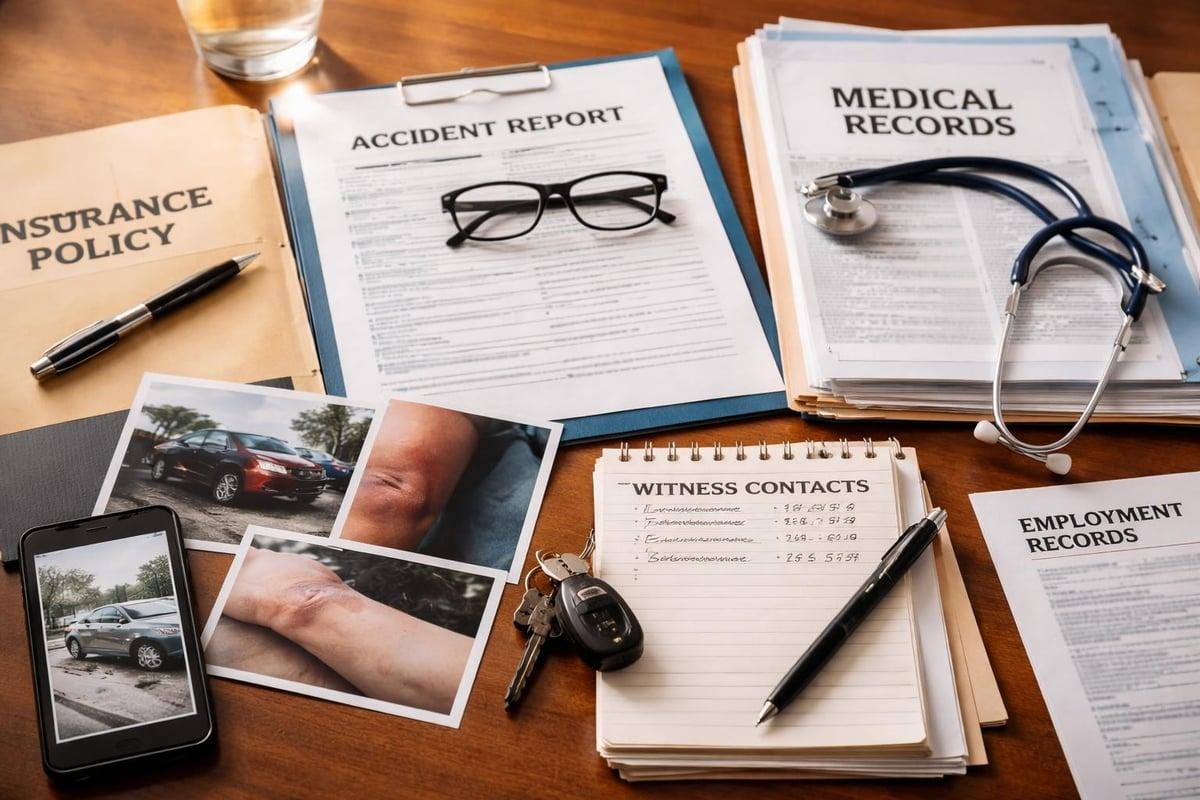
Document the accident. Save photographs, videos, police reports, and witness information.
Keep expense records. Track medical costs, lost wages, transportation, and other accident-related expenses.
Follow your treatment plan. Gaps or unexplained failures to follow recommended treatment may become an issue during negotiations.
Be careful with social media. Posts and photographs can potentially be used to challenge claims about your injuries.
Don’t rush into a settlement. Make sure you understand what the settlement covers before signing a release.
Understand your insurance coverage. Your own policy may contain benefits that become important after a crash.
Frequently Asked Questions
1. How much is the average car accident settlement in New York?
There is no reliable single average that applies to every New York car accident. Settlement values depend on injury severity, medical treatment, lost income, liability, insurance coverage, and other factors.
2. Does New York no-fault insurance cover pain and suffering?
No-fault generally provides benefits for certain economic losses regardless of fault. A claim for non-economic damages such as pain and suffering generally requires the injured person to meet New York’s serious-injury threshold.
3. What makes a car accident settlement higher?
Serious or permanent injuries, substantial medical treatment, significant lost income, future medical needs, clear evidence of fault, and strong documentation can all affect the value of a claim.
4. Can I receive compensation if I was partly at fault?
Potentially. Comparative-fault principles can reduce a recovery according to the injured person’s percentage of responsibility rather than automatically eliminating the claim.
5. How long do I have to file a car accident lawsuit in New York?
New York Courts generally list three years from the accident for car accident personal injury claims, although exceptions and special rules can apply.
Final Thoughts
A New York car accident settlement is not determined by one simple formula. The amount can depend on the seriousness of your injuries, medical treatment, lost income, pain and suffering, future medical needs, evidence of fault, your percentage of responsibility, and available insurance coverage.
New York’s no-fault system is also an important part of the picture. For people with injuries that meet the statutory serious-injury definition, additional legal remedies may be available beyond basic no-fault benefits.
If you have been seriously injured in a New York car accident, it can be useful to understand your insurance coverage and potential legal options before accepting a settlement. A qualified New York personal injury attorney can review the specific facts of your accident and explain how the applicable rules may affect your claim.