What Happens After a Car Accident in New York?
A car accident can leave you standing on the side of the road wondering what you are supposed to do next. Even a crash that looks minor can turn into a complicated situation once injuries, insurance claims, vehicle repairs, and medical bills enter the picture. Knowing what happens after a car accident in New York can help you make better decisions during those first few hours and days.
New York also has its own insurance and personal injury rules, including a no-fault system and specific requirements for reporting crashes. What you do after the accident can affect both your recovery and your potential legal claim.
First, Check for Injuries
The first priority after any accident is safety.
If you or someone else appears seriously injured, call 911 and request emergency medical assistance. Do not move a seriously injured person unless there is an immediate danger requiring you to do so.
Even if you feel okay, pay attention to how you feel over the next several hours and days. Some injuries, including certain soft-tissue injuries and concussions, may not be obvious immediately.
If a medical professional recommends treatment, follow that advice and keep records of your appointments, medications, bills, and other related expenses.
Move to Safety If You Can
If the vehicles can be safely moved and doing so will not put anyone in danger, move them out of the travel lane when appropriate.
Turn on your hazard lights and stay somewhere safe while waiting for police or emergency responders.
If the accident occurred on a busy highway or another dangerous location, getting yourself out of the traffic flow can be especially important.
Do not put yourself at greater risk just to take photographs or inspect vehicle damage.
Call the Police
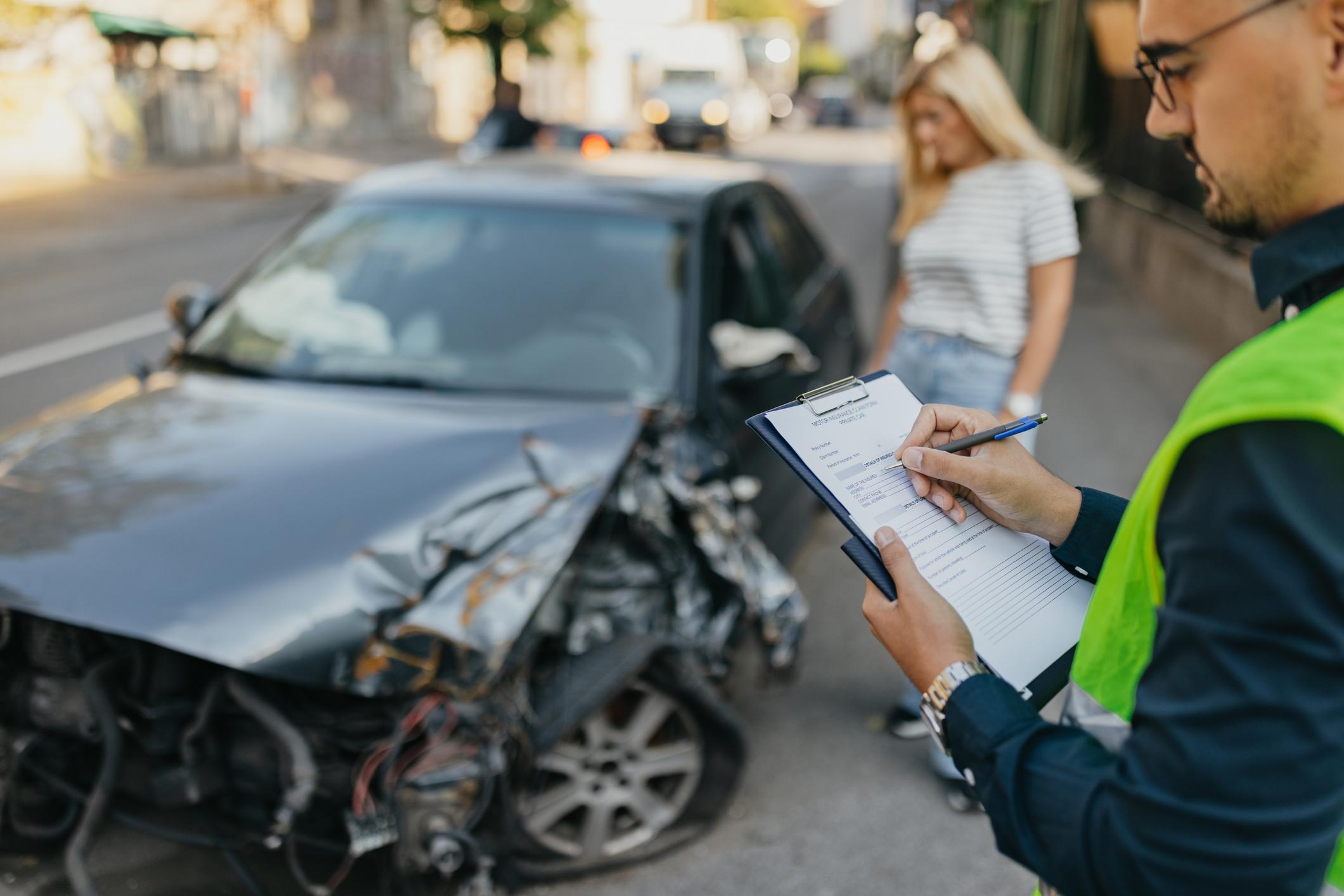
New York law requires drivers involved in certain accidents to report the accident to the police.
Under New York Vehicle and Traffic Law § 605, a driver involved in an accident resulting in death, personal injury, or property damage to any one person of more than $1,000 must report the accident to the appropriate police authority. (nysenate.gov)
Even when an accident appears relatively minor, contacting law enforcement can be useful.
A police accident report may document:
- Where the crash happened
- When it happened
- The vehicles involved
- Driver information
- Insurance information
- Statements from people involved
- Witness information
- Observations made by the responding officer
However, a police report is not necessarily the final word on who was legally responsible for the accident.
Exchange Information With the Other Driver
If you are physically able to do so, exchange basic information with the other driver.
You should generally obtain:
- Full name
- Address
- Phone number
- Driver’s license information
- License plate number
- Insurance company
- Insurance policy information
- Vehicle make and model
If there are witnesses, get their names and contact information too.
Try to remain calm during this process.
You do not need to argue with the other driver about who caused the accident.
Be Careful About Admitting Fault
After a crash, people sometimes immediately say things such as:
“I’m sorry.”
“I didn’t see you.”
“I guess this was my fault.”
You may simply be trying to be polite or explain what happened, but avoid making unnecessary statements about legal responsibility.
Give the police an accurate account of what happened, but do not guess about facts you do not know.
For example, if you are unsure about how fast the other vehicle was traveling, simply say that you are unsure.
Take Photos and Videos
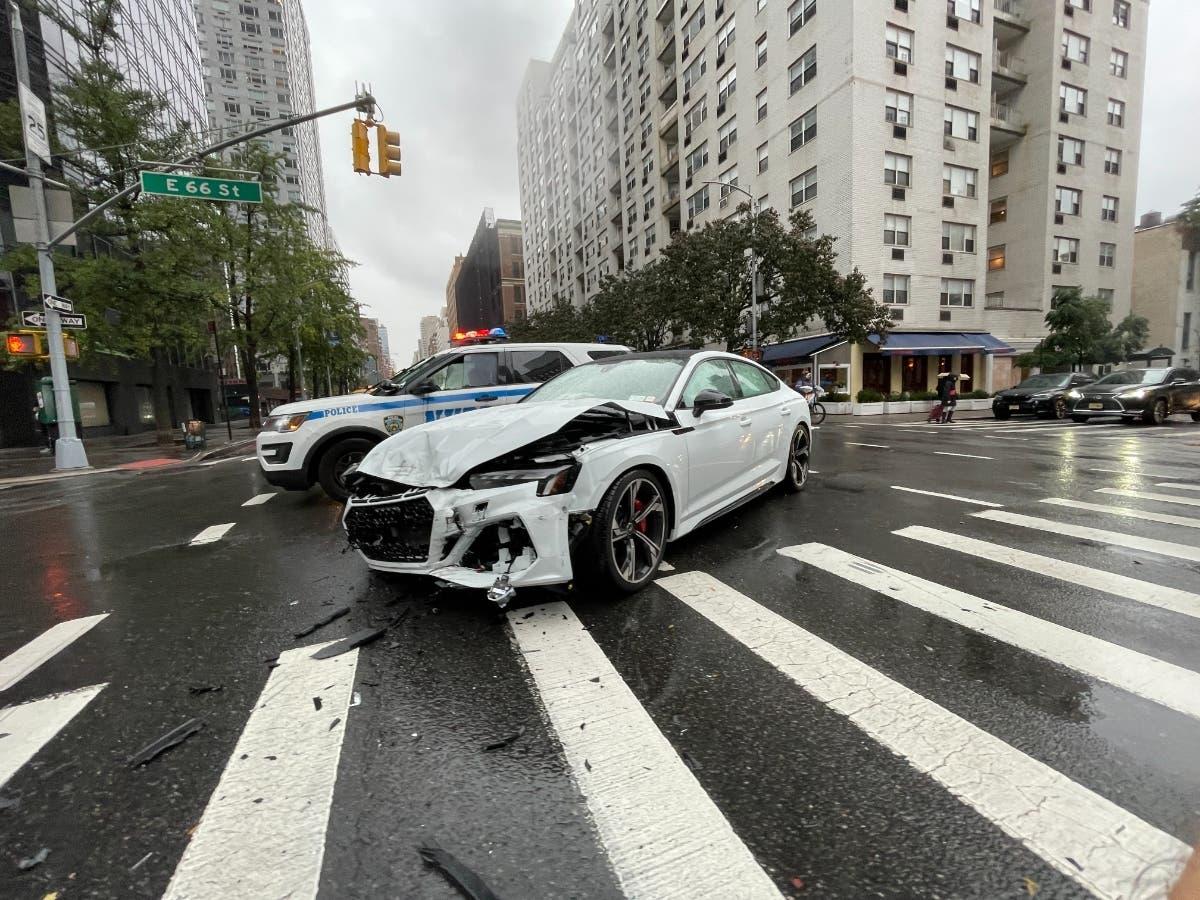
If you can safely document the accident, photographs can become extremely useful later.
Consider photographing:
- Damage to your vehicle
- Damage to the other vehicle
- The overall accident scene
- Traffic signs
- Traffic lights
- Road conditions
- Skid marks
- Debris
- Weather conditions
- Visible injuries
Try to take photographs from different angles rather than only taking close-ups of the damaged vehicles.
A photograph showing the surrounding intersection can sometimes tell a much clearer story than a photograph of a dented bumper.
Seek Medical Attention
One of the biggest mistakes after a car accident is assuming that no medical attention is necessary because you can still walk around.
Some injuries become more noticeable later.
If you experience pain, dizziness, headaches, numbness, weakness, confusion, or other symptoms after a crash, seek appropriate medical attention.
Medical documentation can also become important if you later make an injury claim.
Your medical records can help establish:
- What injuries you suffered
- When you first sought treatment
- What treatment was recommended
- Whether you followed the treatment plan
- How the injuries affected your daily life
How New York No-Fault Insurance Works
New York is a no-fault automobile insurance state.
Generally, no-fault benefits are available to cover certain economic losses resulting from injuries suffered in a motor vehicle accident, regardless of who caused the crash.
These benefits can include certain medical expenses and lost earnings, subject to applicable limits and requirements.
This is different from a traditional liability claim.
You do not necessarily have to prove that another driver caused the accident to receive basic no-fault benefits.
Does No-Fault Mean You Cannot Sue the Other Driver?
No.
This is a common misunderstanding.
New York’s no-fault system limits lawsuits for certain motor-vehicle accident injuries, but an injured person may pursue a liability claim against another driver when the legal requirements are satisfied.
One major requirement involves New York’s serious-injury threshold.
New York Insurance Law § 5102 defines “serious injury” and includes categories such as death, fracture, significant disfigurement, permanent loss or limitation involving certain body functions, and other specified injuries. (nysenate.gov)
So if you suffered a serious injury, you may have a claim for damages beyond the basic no-fault benefits.
What About Vehicle Damage?
No-fault insurance primarily addresses certain personal injury-related economic losses. It generally does not pay for damage to your vehicle.
Property damage is typically handled through the applicable liability or collision coverage.
If the other driver was responsible for the crash, their liability insurance may potentially cover your vehicle damage.
Your own collision coverage may also be relevant depending on your policy.
Notify Your Insurance Company
You should generally notify your insurer about the accident promptly and follow the requirements of your policy.
Your insurer may ask for:
- Accident details
- Police report information
- Photographs
- Vehicle information
- Medical information
- Other driver’s insurance details
Be accurate when answering questions.
Keep copies of correspondence, claim numbers, estimates, and other documents related to the accident.
Be Careful With Insurance Settlement Offers
An insurance company may contact you relatively quickly after an accident.
You may be offered a settlement before you fully understand the extent of your injuries.
That can create a difficult decision.
If you accept a settlement and sign a release, you may give up the ability to seek additional compensation for the same injuries.
This is particularly important when your medical condition is still developing.
You do not have to assume that the first offer is the value of your claim.
Keep Track of Your Expenses
After an accident, expenses can start piling up quickly.
Keep records of:
- Medical bills
- Prescription costs
- Physical therapy
- Transportation to medical appointments
- Lost wages
- Vehicle repairs
- Rental-car expenses
- Other accident-related costs
Also keep a simple record of how the injury affects everyday life.
For example, if you cannot exercise, sleep comfortably, drive normally, take care of your children, or perform your usual job duties, documenting those changes can help explain the real impact of the accident.
What If the Other Driver Was Uninsured?
New York requires most vehicle owners to carry automobile liability insurance.
But accidents involving uninsured or underinsured drivers can still happen.
Depending on the circumstances and your insurance policy, uninsured/underinsured motorist coverage may provide an additional source of compensation.
The details depend on the policy and the circumstances of the accident.
What If You Were Partly Responsible?
Being partly responsible does not necessarily mean you cannot recover compensation.
New York follows comparative negligence principles.
For example, suppose your total damages were $100,000 and you were determined to be 20% responsible for the accident. Your recovery could potentially be reduced by your percentage of fault.
Evidence such as photographs, police reports, witness statements, vehicle damage, traffic-camera footage, and accident reconstruction can become important when responsibility is disputed.
How Long Do You Have to File a Lawsuit?
For many personal injury claims against private parties, New York generally provides three years from the date of the injury to commence the lawsuit. (nycourts.gov)
But don’t treat three years as a universal deadline.
Different rules can apply to claims involving:
- Government entities
- Wrongful death
- Minors
- Certain insurance disputes
- Other special circumstances
For example, claims against certain municipalities may require a Notice of Claim within 90 days. (nycourts.gov)
That is why it is better to determine the applicable deadline early rather than waiting.
When Should You Talk to a Car Accident Lawyer?
You do not necessarily need a lawyer after every fender-bender.
However, legal advice may be particularly helpful if:
- You suffered serious injuries
- The other driver disputes responsibility
- The insurance company denies your claim
- Your injuries require ongoing treatment
- You cannot work because of the accident
- Multiple vehicles were involved
- A pedestrian or cyclist was involved
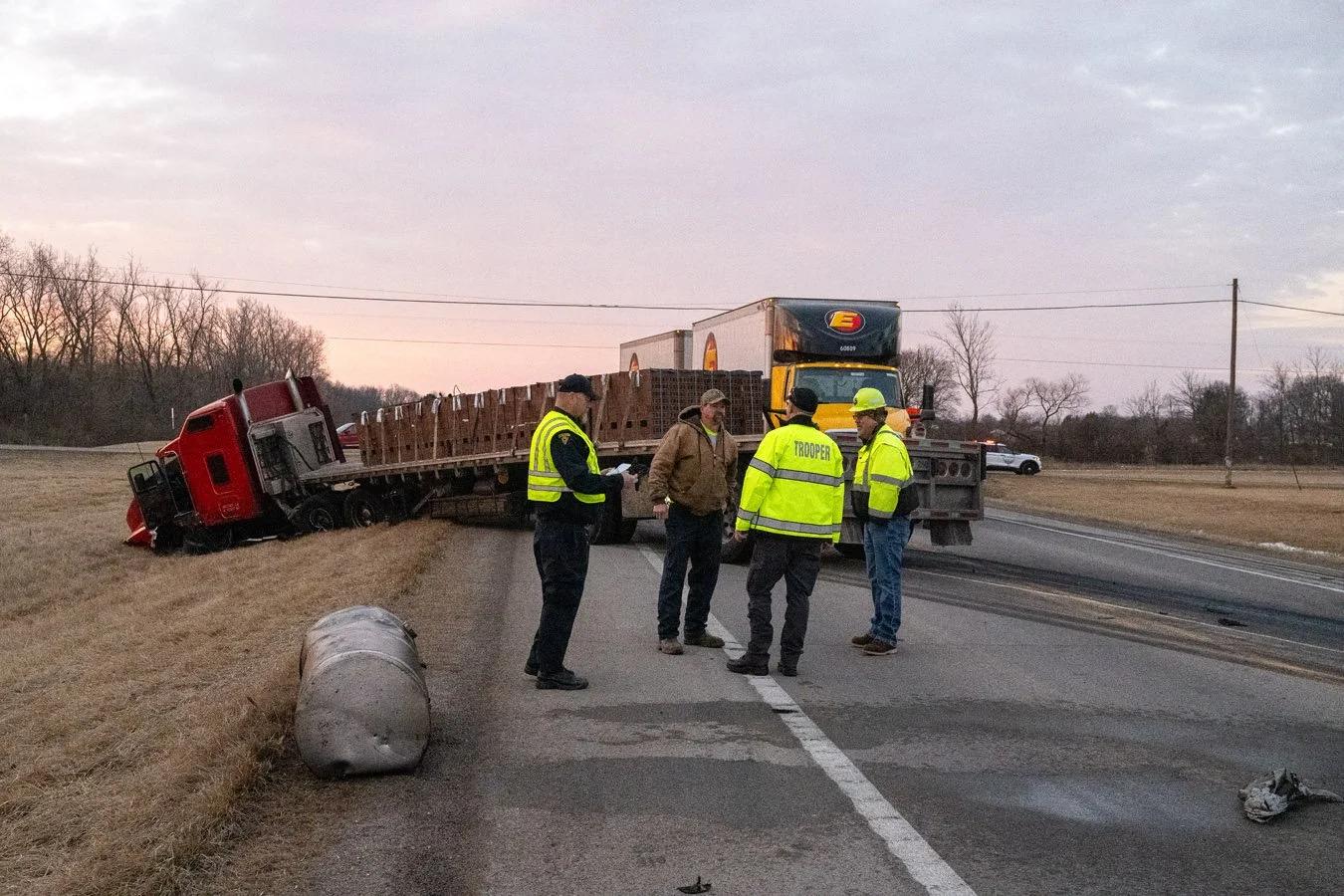
- The accident involved a commercial truck
- A government vehicle or property may be involved
- The insurance company offered a settlement you are unsure about
A personal injury lawyer can review the facts and explain what claims may be available.
What Happens If You File a Personal Injury Claim?
If a liability claim is pursued, the process can involve several stages.
Investigation
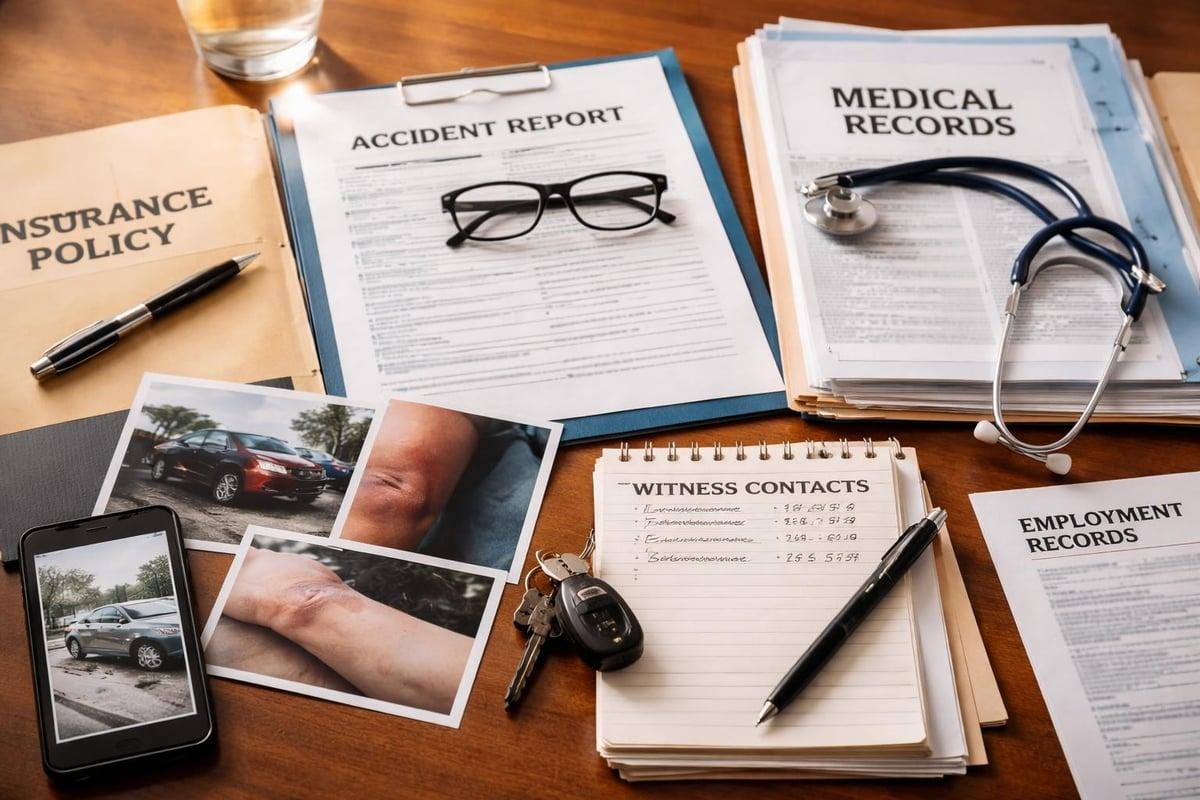
Your attorney may gather police reports, medical records, photographs, witness information, insurance documents, and other evidence.
Demand
A settlement demand may be sent to the insurance company explaining the injuries and losses.
Negotiation
The insurer and your attorney may negotiate over the value of the claim.
Lawsuit
If a reasonable settlement cannot be reached, a lawsuit may be filed before the applicable deadline.
Discovery
Both sides exchange information and evidence.
Settlement or Trial
Many personal injury cases resolve through settlement. If the parties cannot reach an agreement, the case may proceed to trial.
Frequently Asked Questions
1. Do I have to call the police after a car accident in New York?
New York law requires reporting accidents involving death, personal injury, or property damage exceeding $1,000 to one person’s property. (nysenate.gov) Calling the police can also create an official record of the crash.
2. Does New York no-fault insurance cover my car repairs?
Generally, no. No-fault insurance is primarily designed to provide benefits for certain economic losses resulting from personal injuries. Vehicle damage is generally handled separately through applicable property-damage or collision coverage.
3. Can I sue the other driver after a New York car accident?
Potentially. New York’s no-fault system limits certain personal injury lawsuits, but an injured person who meets the serious-injury requirements can potentially pursue a claim against the responsible driver. (nysenate.gov)
4. How long do I have to file a car accident lawsuit in New York?
Many personal injury claims against private parties have a three-year limitation period, but exceptions exist. Claims involving government entities can have much shorter notice requirements. (nycourts.gov)
5. Should I accept the insurance company’s first settlement offer?
Do not feel pressured to accept an offer before understanding your injuries, future medical needs, and legal rights. Once a settlement is finalized, you may be unable to seek additional compensation for the same claim.
Final Thoughts
A car accident can leave you dealing with much more than a damaged vehicle. Medical appointments, insurance paperwork, lost income, and uncertainty about who is responsible can quickly become overwhelming.
The most important steps are fairly simple: get medical attention when needed, report the accident appropriately, exchange information, document the scene, notify your insurer, preserve your records, and understand your legal deadlines.
New York’s no-fault system adds another layer to the process, and serious injuries may create the possibility of pursuing compensation from the at-fault driver. If the accident resulted in significant injuries or the insurance company is disputing your claim, speaking with a qualified New York car accident attorney can help you understand your options.